


Sometimes, creating better facial balance does not require dramatic changes. In many cases, small and carefully planned refinements to the nasal tip or overall symmetry can create a more harmonious appearance.
At Pearlman Aesthetic Surgery, our mini rhinoplasty in NYC suits patients seeking targeted improvements rather than a complete nasal reconstruction, preserving the features that make a face feel recognizable. Whether the concern involves slight tip refinement, a small hump or subtle asymmetry, this focused procedure emphasizes restraint and tailored planning.
At the same time, the word “mini” can sometimes create misconceptions. A small adjustment doesn’t mean a simple procedure, and achieving natural-looking results still requires careful attention to both the aesthetics and function of the nose.
Understanding what mini rhinoplasty can realistically accomplish helps patients make more informed decisions about whether this surgical approach aligns with their specific goals and needs.
In this blog, we take a closer look at what mini rhinoplasty involves, how it differs from traditional rhinoplasty, and who may benefit most from this more conservative surgical approach.
A Look Ahead
- What’s a Mini Rhinoplasty?
- When to Choose a Mini Rhinoplasty
- When to Choose a Full Rhinoplasty
- Common Concerns Addressed with Mini Rhinoplasty
- Why “Mini” Does Not Mean “Simple”
- Understanding the Recovery Timeline
- Frequently Asked Questions
What Makes a Rhinoplasty “Mini”?
A “tip” or “mini” rhinoplasty in NYC focuses on the cartilage of the nose without altering the bone structure. It serves as an effective option for individuals seeking minor adjustments to their nasal tip appearance or targeted improvements.
Mini Rhinoplasty vs. Full Rhinoplasty: Understanding the Difference
Mini rhinoplasty is a specialized procedure that involves smaller, more targeted refinements to the nose. Unlike traditional rhinoplasty, which may involve comprehensive restructuring of the nasal framework, our mini rhinoplasty in NYC typically addresses isolated cosmetic concerns while preserving most of the existing anatomy.
We sometimes operate on models, actors, and high-profile influencers who really don’t “need” a rhinoplasty but have one or two minor nasal flaws they want improved.
When to Choose a Mini Rhinoplasty
In many cases, patients pursuing a mini rhinoplasty in NYC are generally satisfied with the overall appearance of their nose but wish to improve 1 or 2 specific concerns, such as:
- A mildly bulbous nasal tip
- Small hump
- Slight asymmetry
- Minor contour irregularities
- Subtle tip drooping
- Mild projection concerns (how far the tip sticks out from the face)
Rather than dramatically reshaping the nose, mini rhinoplasty fine-tunes refinement and proportion. It can create a more balanced appearance while maintaining the patient’s natural facial identity.
When to Choose a Full Rhinoplasty
Full rhinoplasty addresses broader structural or cosmetic concerns involving multiple areas of the nose.
However, when performed properly, results can maintain a patient’s ethnicity. Also, even significant changes are often not detected by others if the results appear natural. Patients are often told they “look great” but I can’t tell why by their peers. It may include:
- Significant bridge hump reduction
- Major tip reshaping
- Nasal deviation
- Functional breathing correction
- Trauma reconstruction
- Comprehensive profile balancing
Because full rhinoplasty often involves more extensive manipulation or restructuring of cartilage and bone, it has more surgical requirements than a mini rhinoplasty.
Mini Rhinoplasty vs. Full Rhinoplasty: At a Glance
| Mini Rhinoplasty | Full Rhinoplasty |
| Targets smaller refinements | Addresses multiple concerns or comprehensive reshaping |
| Best for isolated cosmetic concerns | Suitable for structural and functional concerns |
| Often involves less extensive reconstruction | May require significant structural modification |
| Typically preserves most existing anatomy | Can substantially reshape the nasal framework |
| Usually, a shorter recovery timeline | More time for swelling resolution |
| Emphasizes subtle refinement | Allows comprehensive aesthetic transformation |
One of the most important distinctions when comparing the options is that “mini” does not necessarily imply less technical demand. In many ways, subtle rhinoplasty procedures require more exceptional precision and restraint.
Even small changes to the nose lead to significant shifts in facial balance. This means overcorrection can quickly create an undesirable or unnatural result.
While the scope of the surgery may be narrower, the same level of expertise, anatomical understanding, and aesthetic judgment will still be required.
Additionally, the nose is not purely aesthetic; it plays a critical role in breathing. Even limited refinements must preserve the integrity of the nasal airway and support the internal structures.
Which Procedure Is Right for You?
Ultimately, neither procedure type is inherently “better.” The appropriate surgical approach depends entirely on:
- Your anatomy
- Your aesthetic goals
- Nasal structure
- Facial balance
- Functional concerns
Some patients achieve beautiful results through minor refinements alone, while others require more comprehensive structural changes to achieve long-term harmony, support, and function.
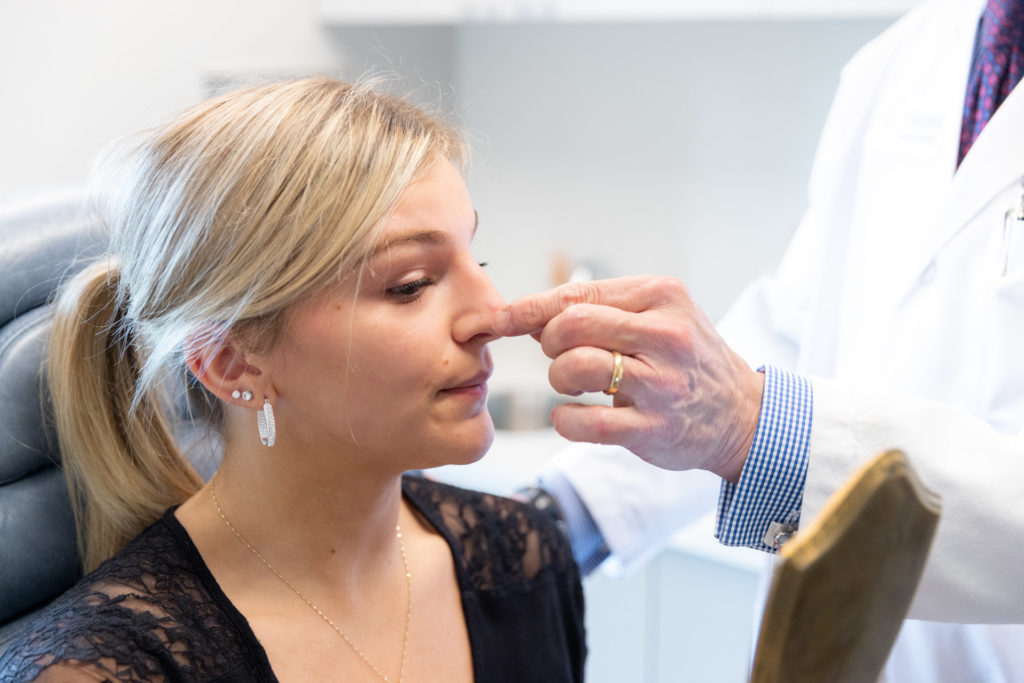
The consultation process for our mini rhinoplasty in NYC helps you determine which surgical plan aligns best with your needs. Dr. Pearlman carefully evaluates both the visible appearance of the nose and the underlying anatomy that contributes to function and facial balance.
This individualized planning process helps final results appear cohesive, proportionate, and natural rather than obviously surgical.
Common Concerns Addressed with Mini Rhinoplasty
Our mini rhinoplasty in NYC addresses a variety of aesthetic concerns, most focused specifically on the nasal tip region. While these changes may seem subtle, they can significantly influence overall facial harmony when approached thoughtfully.
Bulbous Tip Correction
A mildly bulbous nasal tip is one of the most common concerns addressed through mini rhinoplasty. This shape occurs when wide or malpositioned lower nasal cartilages create a rounded or widened appearance at the tip of the nose.
Through careful cartilage refinement and reshaping techniques, mini rhinoplasty can create:
- Improved definition
- Better contour
- Enhanced facial balance
- A more refined profile
Drooping Nasal Tip
A drooping or “ptotic” nasal tip can create an appearance of heaviness or aging, particularly when smiling. In some patients, the tip may also appear less defined due to weakened support structures.
Mini rhinoplasty can help:
- Elevate the tip slightly
- Improve tip support
- Create a more balanced profile
- Restore youthful nasal proportions
Tip Projection Concerns
Mini rhinoplasty can address both over-projected tips (those that extend too far from the face) and under-projected tips (those that appear recessed or lacking definition). Achieving the ideal tip projection helps create balanced facial proportions.
Minor Asymmetry
Most noses have some natural asymmetry. However, certain irregularities can become more noticeable from specific angles or in profile view.
Mini rhinoplasty may help refine:
- Uneven tip contours
- Minor cartilage irregularities
- Slight asymmetrical definition
- Small shape inconsistencies
When paired with careful surgical planning and an individualized approach, mini rhinoplasty can create refined, natural-looking improvements while preserving the unique characteristics that make each patient’s appearance distinct.

Why “Mini” Does Not Mean “Simple”
The phrase “mini rhinoplasty” can create the impression that the procedure is simple, minor, or dramatically easier than traditional “full” rhinoplasty. In reality, the word “mini” primarily refers to the scope of correction, not the level of expertise required.
Even subtle changes to the nose can significantly influence facial balance. A small adjustment to the tip, contour, or projection affects how the nose relates to surrounding facial features from every angle.
Because of this, our mini rhinoplasty in NYC still requires:
- Detailed anatomical understanding
- Careful surgical planning
- Advanced technical precision
- Structural preservation
- Artistic judgment
The Pearlman Difference
In many ways, mini rhinoplasty may actually require greater skill than more dramatic procedures, because it also needs restraint. When a patient wants refinement rather than comprehensive transformation, the surgeon must know exactly how much change is appropriate while still working to preserve individual identity.
Overcorrection, even on a small scale, can disrupt facial harmony.
Patients also need to understand that mini rhinoplasty is still surgery. Although the procedure may involve less extensive correction than a full rhinoplasty, frequently all parts of the nose still need to be addressed. Also, healing, swelling, recovery, and surgical expertise remain extremely important considerations.
At Pearlman Aesthetic Surgery, we approach mini rhinoplasty with the same level of detail, planning, and precision as any other rhinoplasty procedure. With comprehensive care, we create subtle improvements to the nose that feel balanced, refined, and naturally aligned with our patients’ overall features.
Understanding the Recovery Timeline
Recovery after our mini rhinoplasty in NYC is often more manageable than many of our patients expect, particularly when their procedure involves limited structural changes.
However, swelling and discomfort will still occur, and understanding the recovery process can help set realistic expectations for the healing timeline.
Enjoy a Faster Recovery Time
Mini rhinoplasty typically involves less tissue manipulation than full rhinoplasty, resulting in a shorter immediate recovery time and little to no black eyes.
Despite the overall shorter recovery time, it’s crucial to understand that the tip of the nose may take up to a year to heal fully and show the final aesthetic results.
The nasal tip is composed of delicate cartilage and skin that can be sensitive to changes, making it more susceptible to swelling. This means that while you may notice improvements relatively soon after surgery, the final shape and appearance of the tip can take several months to settle.
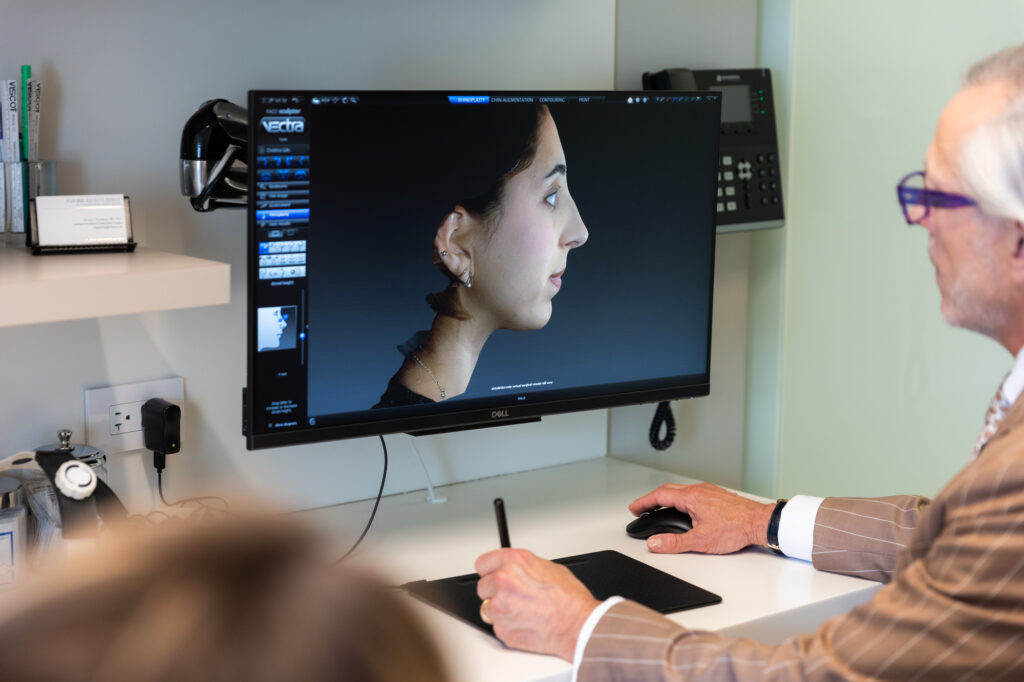
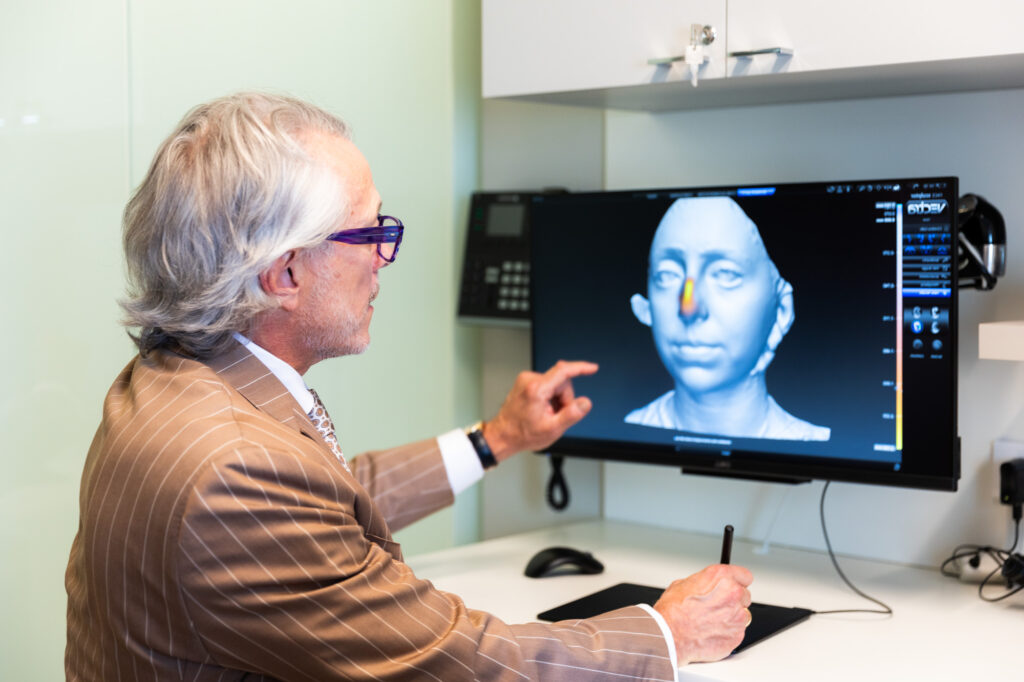
Sometimes all patients need is a hump reduction. If it’s a small hump, we can often resort to rasping or bone reshaping. Dr. Pearlman uses advanced computer imaging to demonstrate potential changes from hump reduction alone vs a full rhinoplasty.
The First Week After Surgery
Following your mini rhinoplasty procedure, you can expect:
- Mild-to-moderate swelling
- Temporary bruising
- Nasal congestion or stuffiness
- Mild discomfort
- A small splint or dressing over the nose
Most patients describe discomfort as relatively mild and managed well with OTC medication and proper aftercare instructions. Swelling usually peaks during the first several days following surgery.
We advise patients to:
- Sleep with the head elevated
- Avoid strenuous activity
- Limit pressure on the nose
- Follow all postoperative instructions carefully
Most patients can return to light activities in roughly 3 weeks after their mini rhinoplasty. However, strenuous exercise should be avoided for at least 3 weeks to prevent increased swelling or potential complications post-procedure.
Weeks 2 Through 6
As healing progresses, patients often notice:
- Significant improvement in swelling
- Improved comfort
- Greater definition in the nasal tip
- Increased confidence in social settings
Most patients feel comfortable returning to work or social activities within 7 to 14 days, depending on the extent of their procedure and individual healing journey.
Long-Term Healing
Although early improvements become visible relatively quickly, rhinoplasty healing is gradual. The nose continues refining as residual swelling slowly resolves.
The nasal tip, in particular, tends to retain swelling longer than other areas. Final refinement may continue developing for several months and up to 1 year or more.
Dr. Pearlman’s Approach to Mini Rhinoplasty
A successful mini rhinoplasty requires a deep understanding of how subtle refinements influence the balance of the entire face. At the same time, the surgeon needs to preserve the natural appearance of the nose and its structural integrity.
Dr. Pearlman approaches mini rhinoplasty with a highly individualized philosophy centered on precision, proportion, and long-term harmony. Rather than applying a one-size-fits-all solution, surgical planning is tailored to the patient’s unique anatomy, facial features, and personal goals.
Computer imaging is important during the consultation process. Potential results, minor to major, can be demonstrated. Also why we might need to alter other parts of the nose for balance.
Dr. Pearlman’s extensive experience in facial plastic surgery and rhinoplasty procedures allows him to evaluate how even minor changes will impact a patient’s overall facial harmony. Existing features, such as chin projection, facial symmetry, skin thickness, and profile balance, all affect the most appropriate rhinoplasty approach.
At Pearlman Aesthetic Surgery, we approach mini rhinoplasty in NYC with the same level of expertise and precision as our comprehensive rhinoplasty procedures. The focus remains on achieving results that appear elegant, appropriate, and authentic to the individual patient.
Frequently Asked Questions About Mini Rhinoplasty
Choosing rhinoplasty is a highly personal decision, and many patients naturally have questions about what mini rhinoplasty can realistically accomplish.
Understanding the procedure and recovery process can help patients feel more informed and confident as they consider their options.
Is mini rhinoplasty permanent?
Yes, the results from our mini rhinoplasty in NYC are permanent. Once the nasal structures heal and settle into their new shape, the refinement generally remains stable for the long-term.
However, the nose still continues to age naturally, and subtle changes over time related to skin elasticity or tissue structure may occur as part of the normal aging process. This does not completely reverse results, but aging may change the appearance of the nose.
Can mini rhinoplasty improve breathing?
Mini rhinoplasty can improve breathing in some cases, particularly when Dr. Pearlman incorporates minor structural corrections into the procedure such as septoplasty. However, not all mini rhinoplasty procedures can address functional concerns.
During your consultation, Dr. Pearlman evaluates your aesthetic goals and internal nasal anatomy to determine whether you need airway support or additional functional correction as part of your rhinoplasty.
Will mini rhinoplasty leave visible scars?
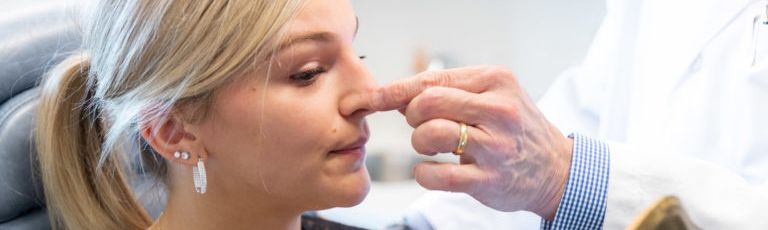
Most rhinoplasty incisions are carefully concealed. Depending on the surgical technique used, Dr. Pearlman may place incisions inside the nostrils or discreetly along the natural contours beneath the nose.
Most often we use a closed-scarless rhinoplasty approach for mini rhinoplasty. However some patients might require an open approach. If used, the tiny extra incision heals to where it is barely noticable, if at all.
Once completely healed, scarring is typically unnoticeable and difficult to see.
Is mini-rhinoplasty less expensive than full rhinoplasty?
Our mini rhinoplasty in NYC can involve slightly lower overall costs compared to a traditional rhinoplasty because of a narrower surgical scope. However, pricing still varies significantly depending on the complexity of the correction surgical techniques required, if the entire nose needs to be addressed, anesthesia, and individualized treatment planning.
Mini rhinoplasty procedures still demand specialized expertise and precise surgical execution, which contribute to the cost and the results.
Can mini rhinoplasty make my nose look too small?
A properly planned mini rhinoplasty should not lead to an overly reduced or disproportionate appearance of the nose. This procedure should create refinement rather than excessive reduction.
Dr. Pearlman emphasizes balance and preservation to keep the nose in balance with the surrounding facial features.
How long does swelling last after a mini rhinoplasty?
Initial swelling improves substantially within the first month post-procedure. However, subtle residual swelling may persist for several months after your rhinoplasty, particularly in the nasal tip. Final refinement will manifest as tissues settle and heal.
Can mini rhinoplasty be combined with other procedures?
Yes. Some patients may combine mini rhinoplasty with complementary facial procedures. This can include chin augmentation, eyelid surgery, or other facial procedures such as facelift to further enhance overall balance and facial harmony.
Your surgeon will recommend each complementary procedure based on the patient’s anatomy and long-term aesthetic goals.
Book Your Consultation for a Mini Rhinoplasty in NYC
If you’re ready to learn more about the mini rhinoplasty process, consider booking your consultation with Dr. Steven Pearlman today.

Dr. Pearlman is uniquely dual board-certified in both facial plastic and reconstructive surgery and in otolaryngology—head and neck surgery (ENT). He has performed over 7,500 rhinoplasties in his career and has been chosen as a Top Doctor by New York Magazine and Castle Conolly.
Not quite ready for an in-person visit? While nothing can replace an in-person consultation, especially for rhinoplasty surgery, you can use our virtual rhinoplasty tool to explore our available techniques. Answer a few questions about your goals, and we’ll send you customized recommendations right to your inbox!