
NYC Nose Procedures
Double Board-Certified Facial Plastic Surgeon Dr. Steven Pearlman is an NYC rhinoplasty specialist who has devoted the majority of his practice to rhinoplasty and revision rhinoplasty. Below is an overview of our rhinoplasty offerings at Pearlman Aesthetic Surgery.
Surgical Procedures
Rhinoplasty
Many of the best-looking and longest-lasting rhinoplasty results, whether for an out-of-town patient or native New Yorker, come from Pearlman Aesthetic Surgery in Manhattan.
Revision Rhinoplasty
Revision rhinoplasty is about restoring form and function to correct aesthetic and functional complications from one or more prior rhinoplasties, or to correct less than ideal results from previous nasal surgery.
Piezo Ultrasonic Rhinoplasty
The Piezo ultrasonic rhinoplasty technique achieves remarkable success, improved precision, and reduced trauma when compared to traditional rhinoplasty techniques.
Ethnic Rhinoplasty
Dr. Pearlman excels in delivering the aesthetics desired by his ethnic nose job patients, without compromising their appearance or cultural background.
Preservation Rhinoplasty
Specifically designed to treat and reduce a nasal hump, preservation rhinoplasty in NYC is a new method of achieving a smoother, straight profile with consistent results.
Teenage Rhinoplasty
By surgically altering the nose structure to ensure optimal facial balance, proportionality, and symmetry, a teenage rhinoplasty can empower younger patients to sail through these turbulent years without feeling self-conscious about their nose.
Septoplasty
Septoplasty or functional nasal restorative improves breathing by correcting a deviated septum, which is the bone and cartilage separating the left and right airways of the nose.
Non-Surgical Rhinoplasty
A non-surgical rhinoplasty procedure uses facial fillers to camouflage a hump, raise a low bridge, and can even help make the tip of the nose project outward and upward.
Begin your rhinoplasty journey.
Dr. Pearlman is a renowned Facial Plastic Surgeon located on Park Avenue, NYC. With in-depth consultations and a compassionate, understanding approach, he uses his expertise to deliver superior results for his rhinoplasty patients.
Preserving Form and Function in Rhinoplasty
Obviously, your nose is a very visible part of your face. When it feels out of balance, it can lead to low self-esteem. More than that, our nose is a sensory organ that’s vital to how we interact with the world.
Rhinoplasty is a delicate surgical procedure that improves the appearance of your nose. In some cases, it can be combined with a functional surgery (septoplasty and sometimes nasal valve surgery) to enhance breathing, as well.
You want to be sure you visit a rhinoplasty specialist when pursuing nose surgery. A surgeon who specializes in rhinoplasty and understands the nose inside and out. A Facial Plastic uses tools and techniques that other surgeons might not have.
It’s important to choose a board-certified facial plastic surgeon and to verify how much of their practice is dedicated to rhinoplasty—ideally, it should be their main focus. Dr. Pearlman, for instance, not only teaches rhinoplasty at many international courses and conferences, but also has written extensively on the subject, including numerous peer-reviewed journal articles on both rhinoplasty and revision rhinoplasty.
The ideal rhinoplasty surgeon for you should offer extensive information about your procedure.
During your rhinoplasty consultation at our NYC office, we strongly encourage you to ask any and all questions you may have. We will guide you through each step of the process to ensure you feel confident in your choice to undergo rhinoplasty with Dr. Steven Pearlman
The Importance of Imaging With Rhinoplasty
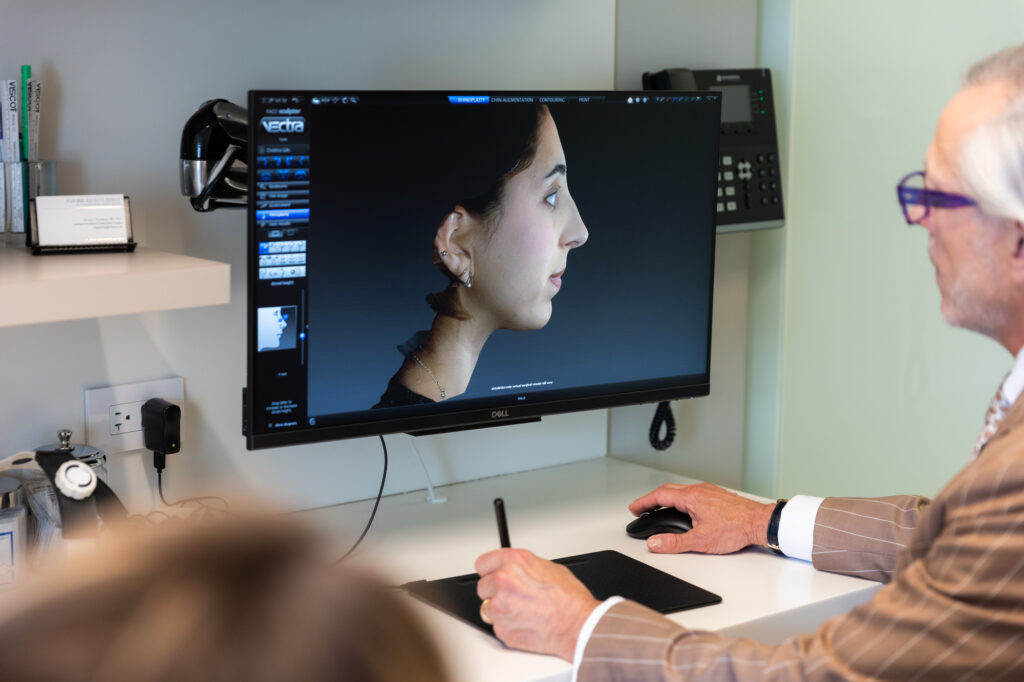
Superior Outcomes and Recovery
Dr. Pearlman is a leading NYC rhinoplasty specialist. The best compliment we get following a rhinoplasty is when our patients are told they look great, but their friends cannot tell why. Dr. Pearlman strives to achieve the most natural-looking results possible with every rhinoplasty he performs in NYC.
You won’t have to worry about looking like a different person or “plastic” after your surgery. With a combination of high-level skill and state-of-the-art technology, Dr. Pearlman helps our patients create a subtly elevated and naturally gorgeous version of yourself.
Our patients report vastly different and improved recovery experiences with rhinoplasty at Pearlman Aesthetic Surgery. Dr. Pearlman’s skill and expertise allows him to operate with precision, causing little trauma to the soft tissue around the eyes, which results in less bruising. Everyone heals differently, but many of our patients report that their swelling and bruising is less than expected. The longest part of the recovery process for rhinoplasty patients can be waiting for the bruising to dissipate—less bruising leads to quicker recovery.
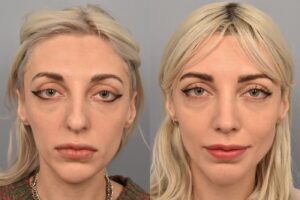
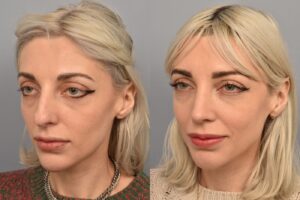
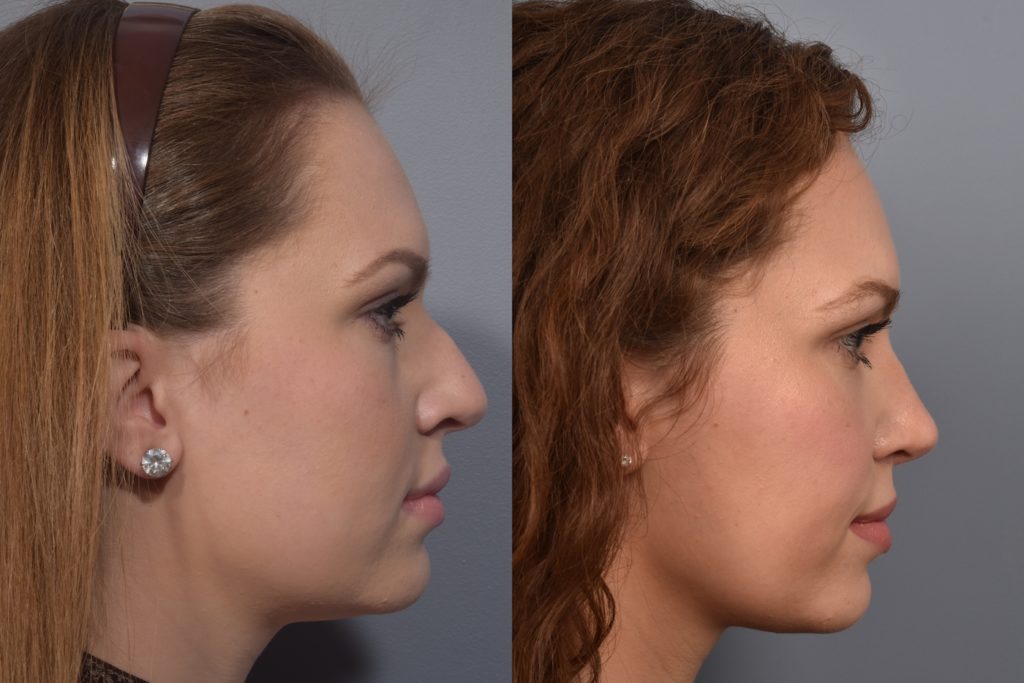
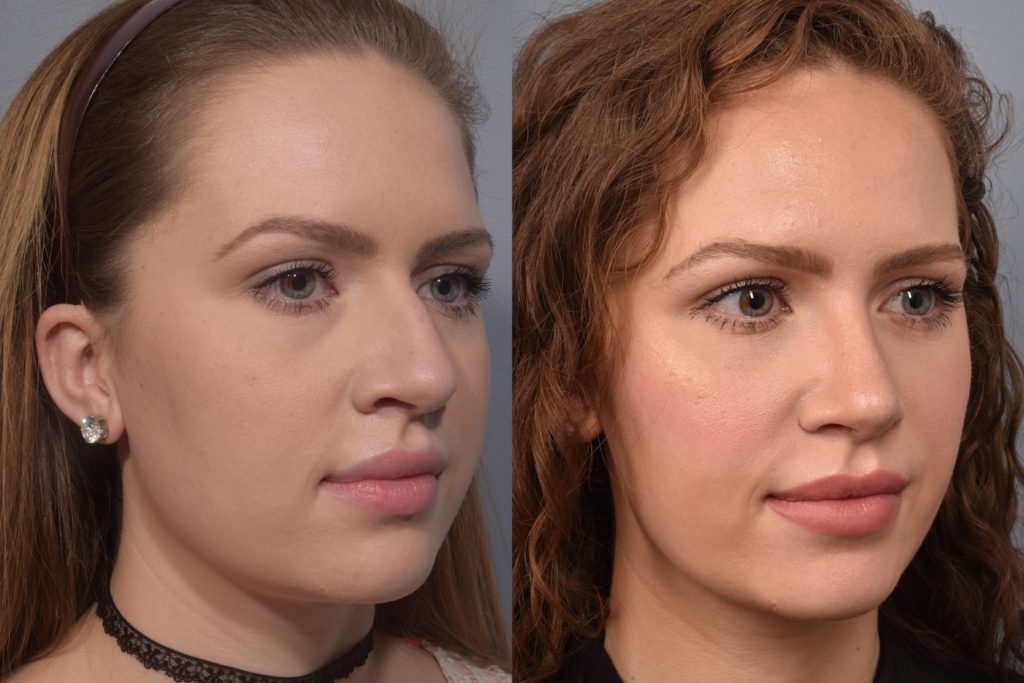
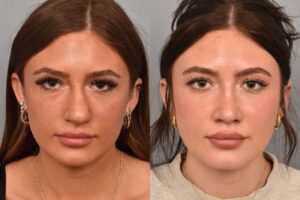
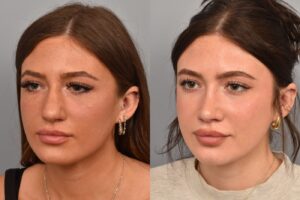
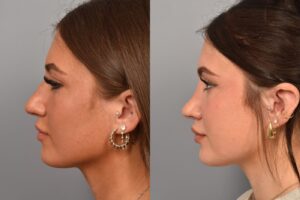
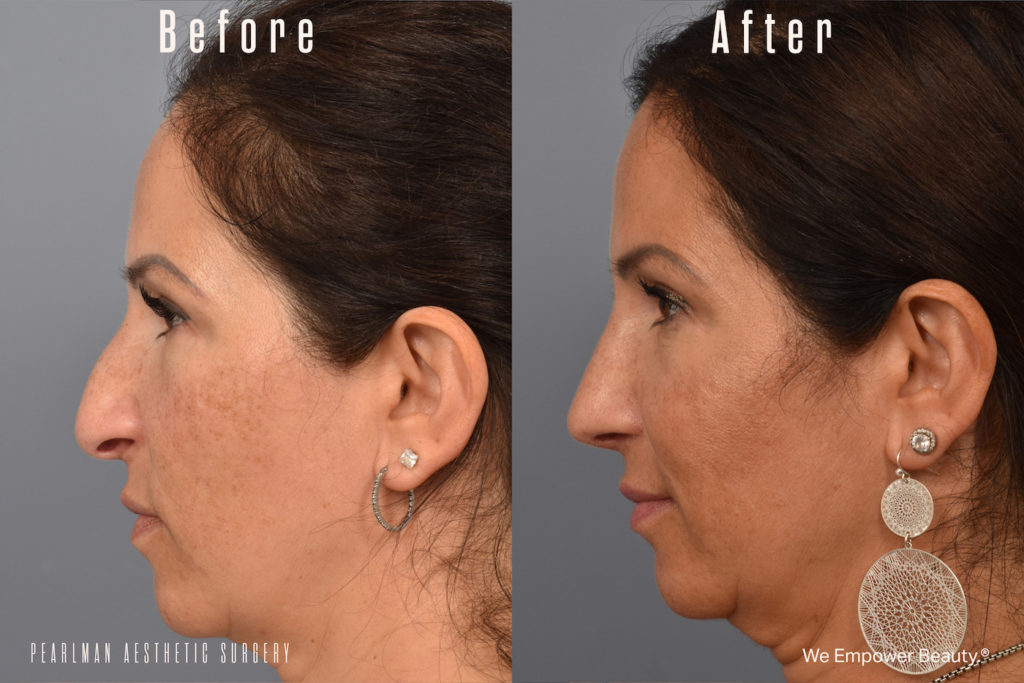
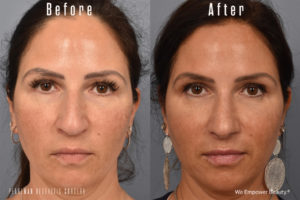
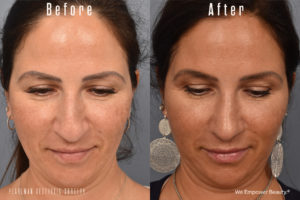
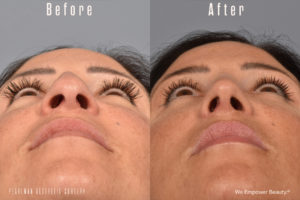
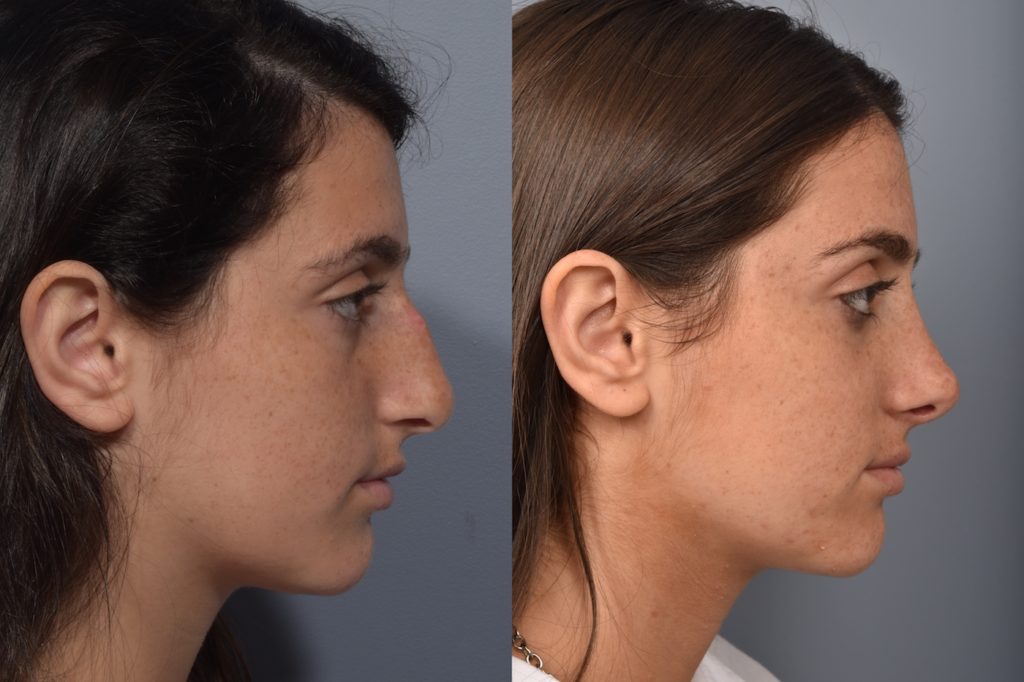
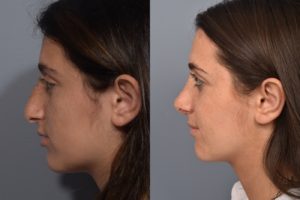
Rhinoplasty Results: Before and After
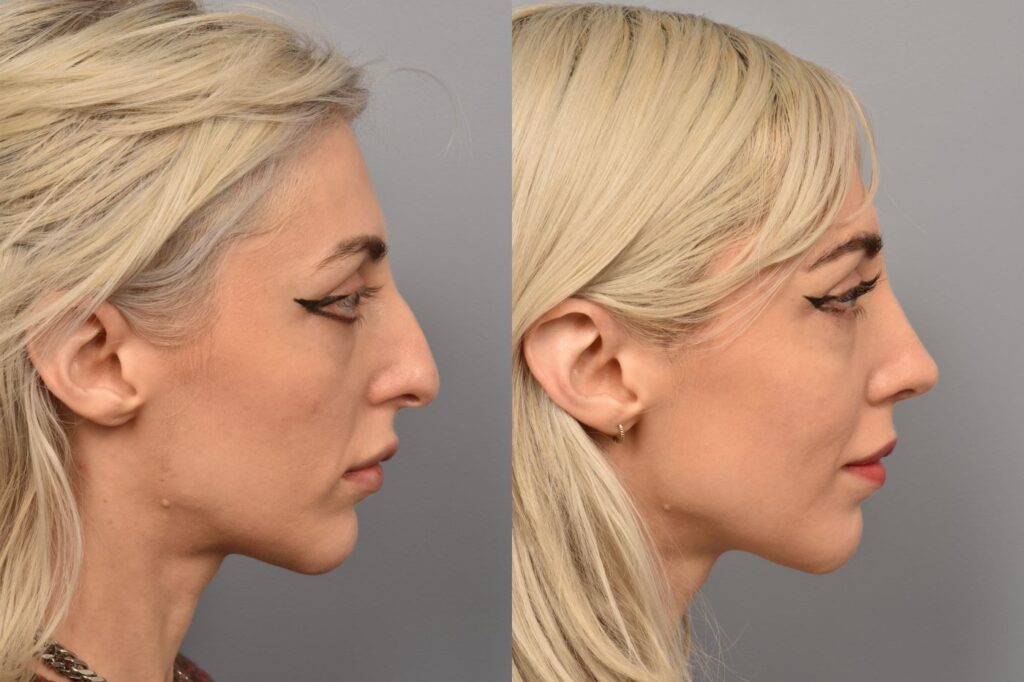
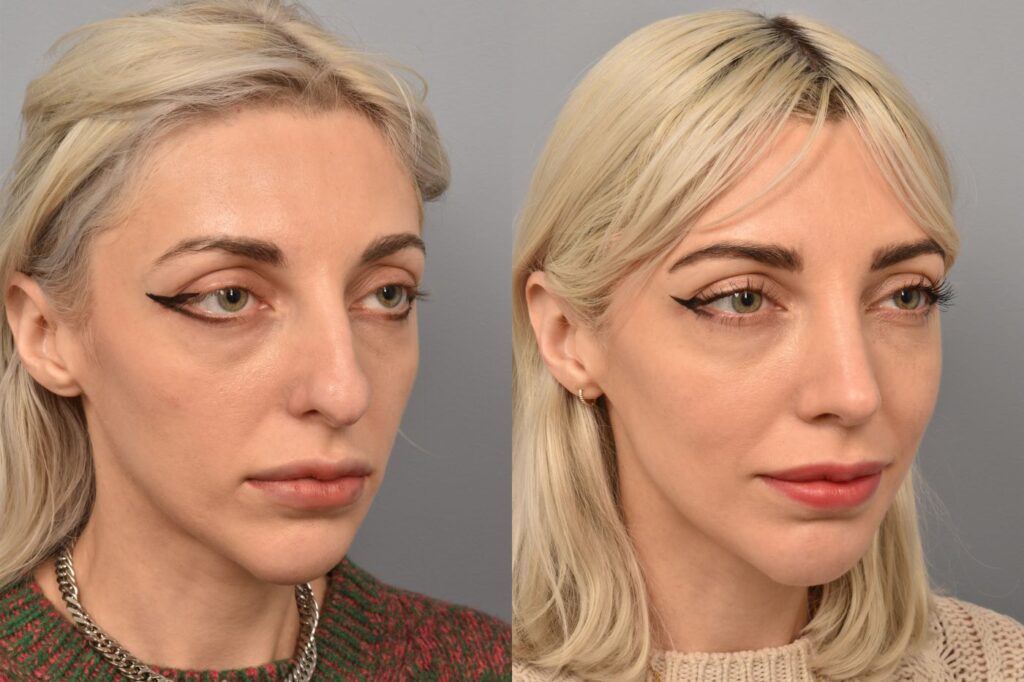
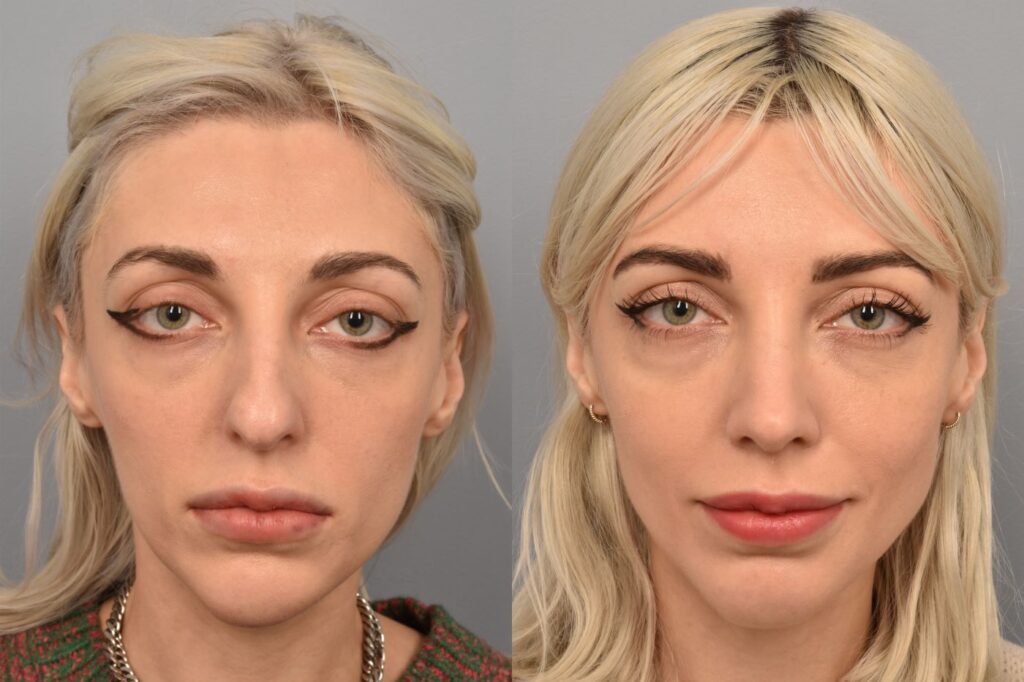
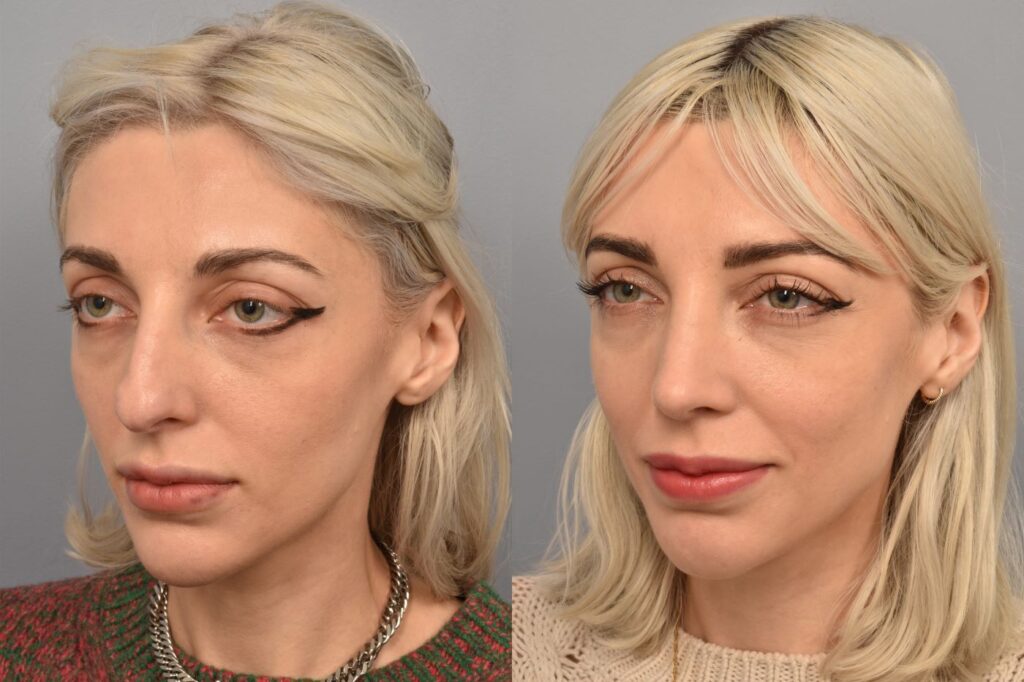
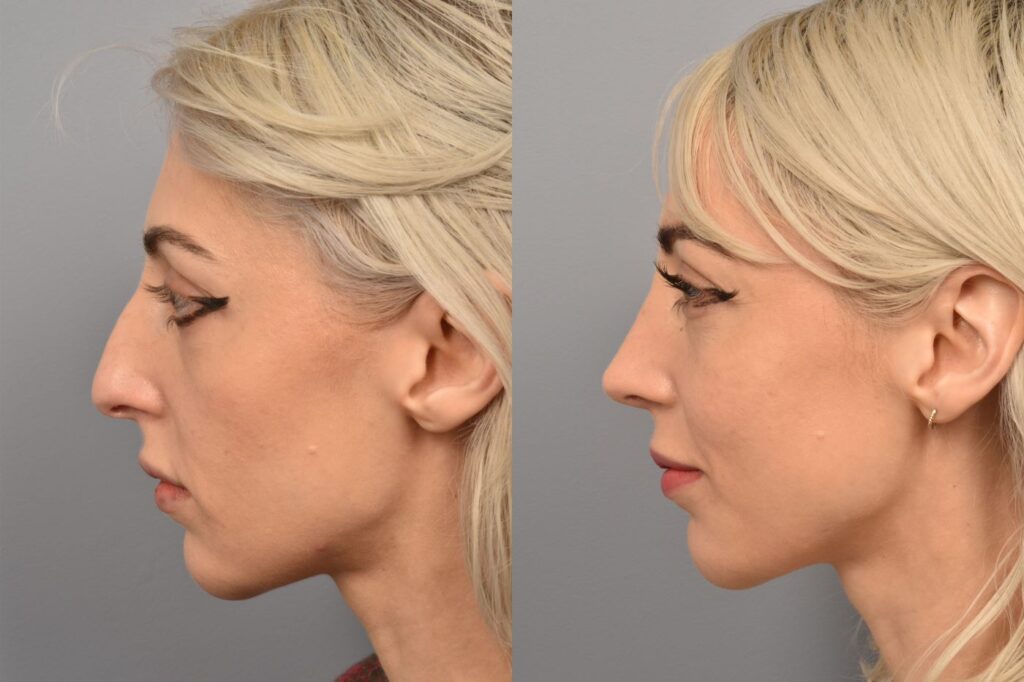

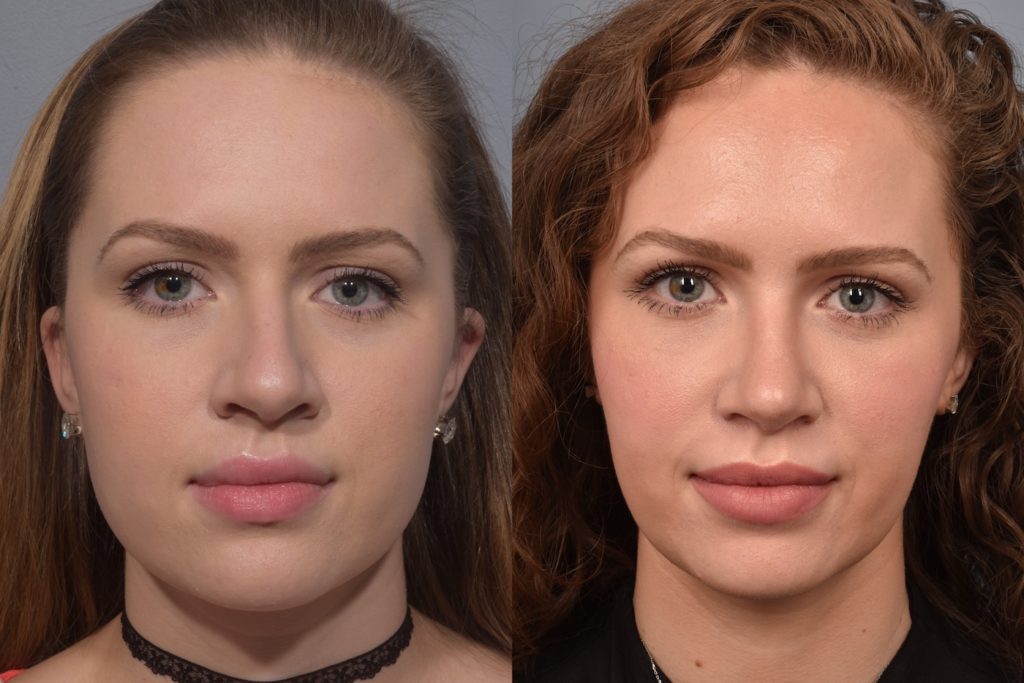
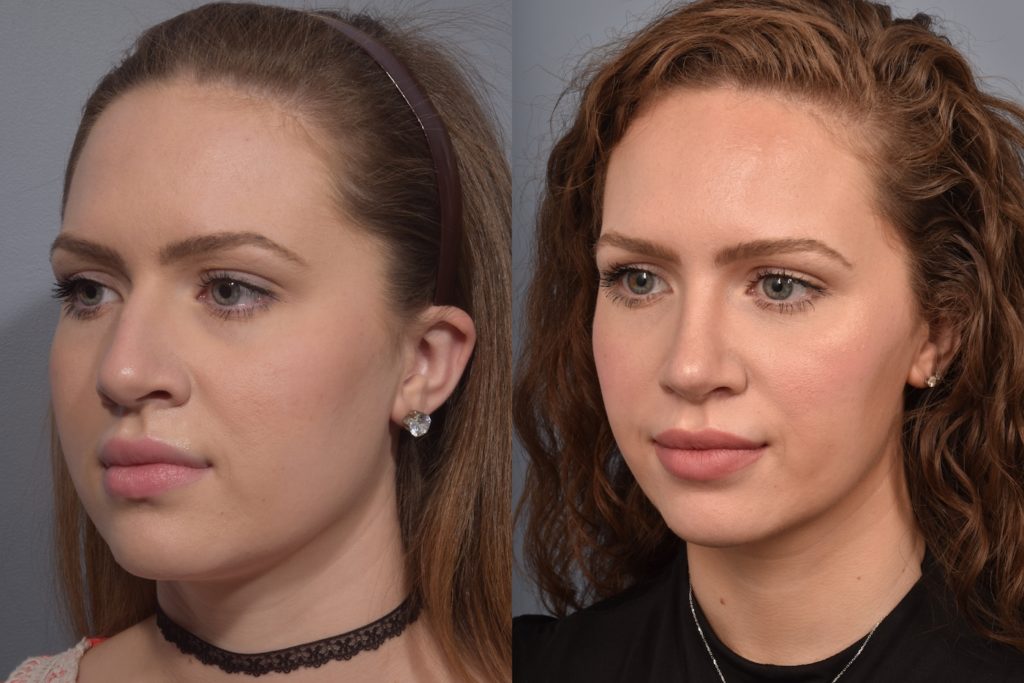
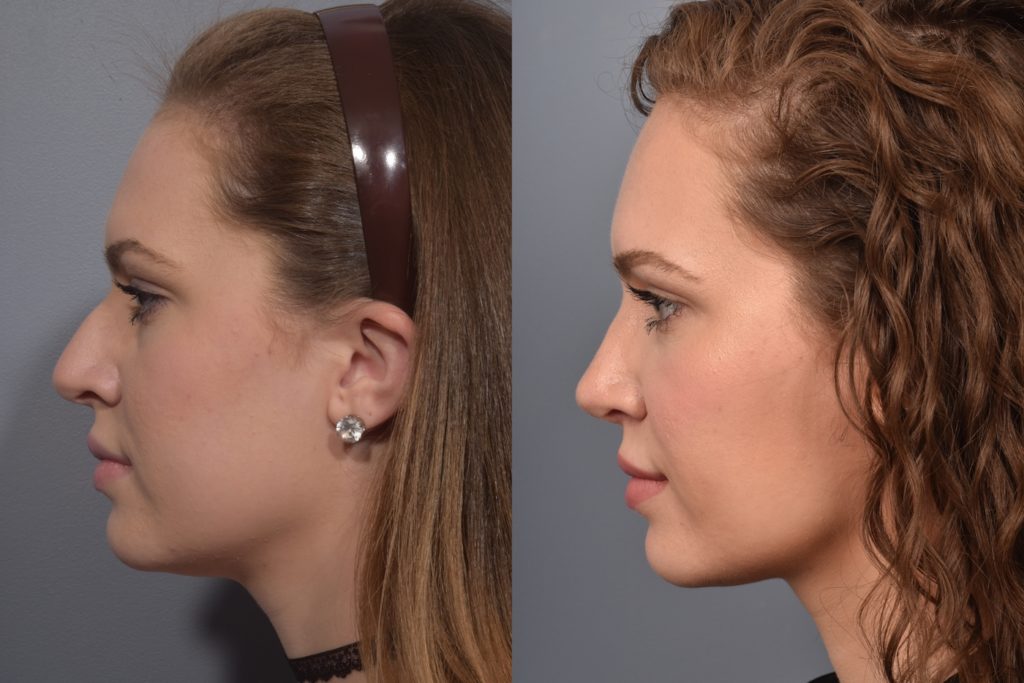
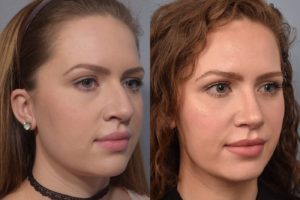
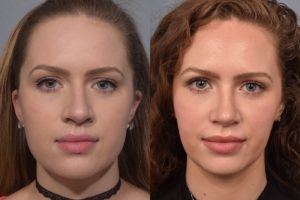
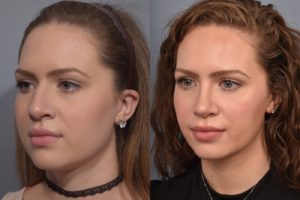
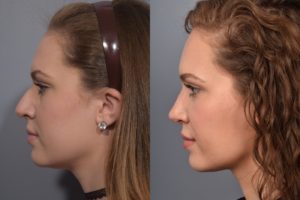
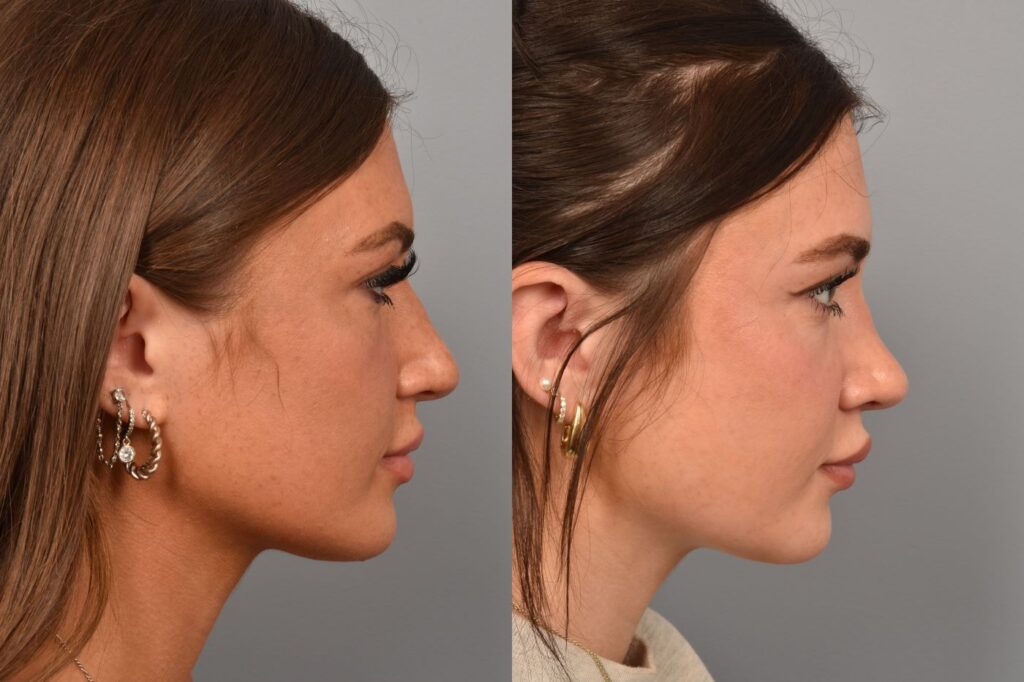
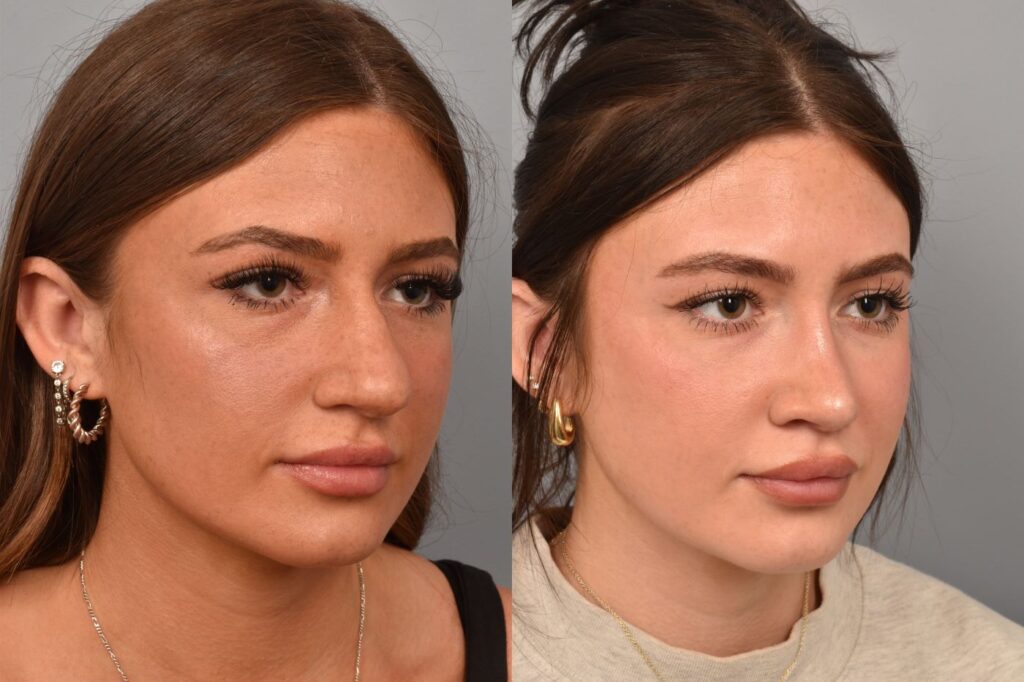

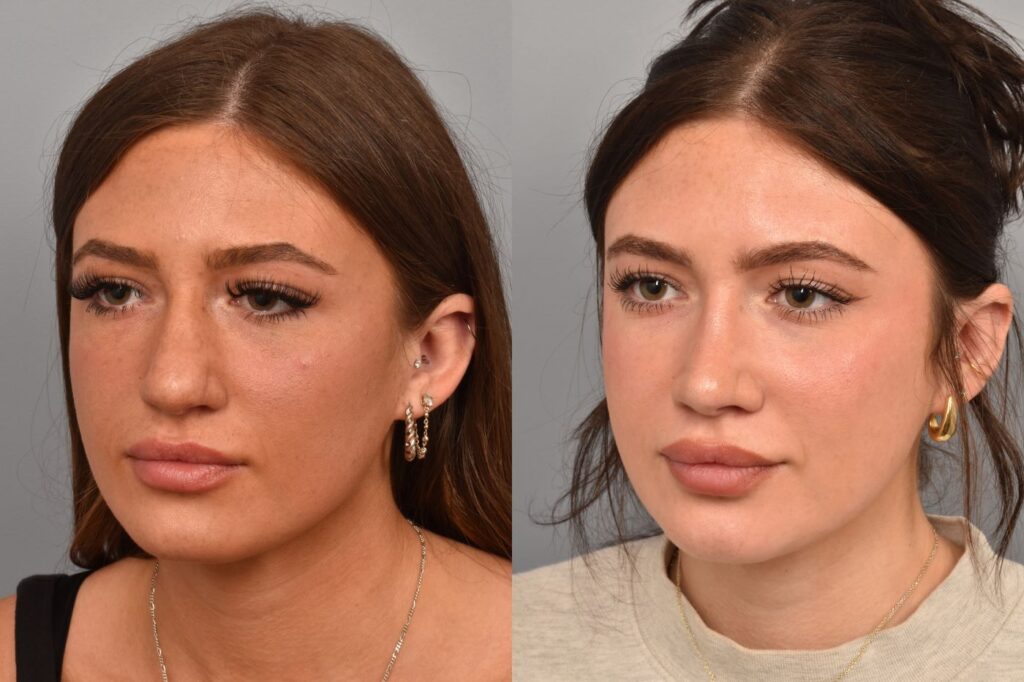


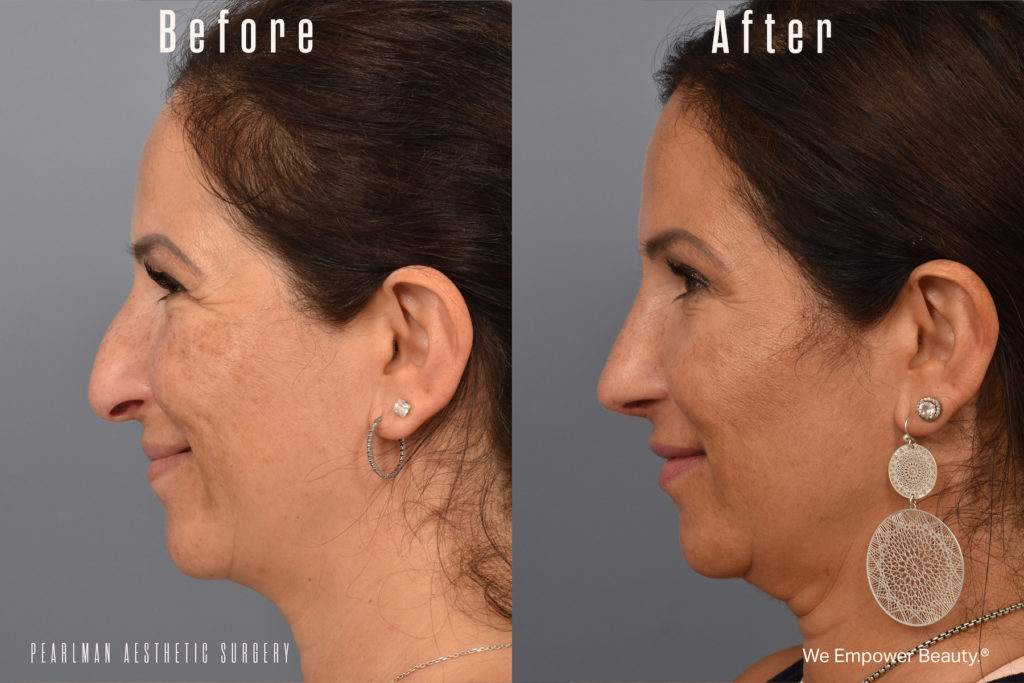
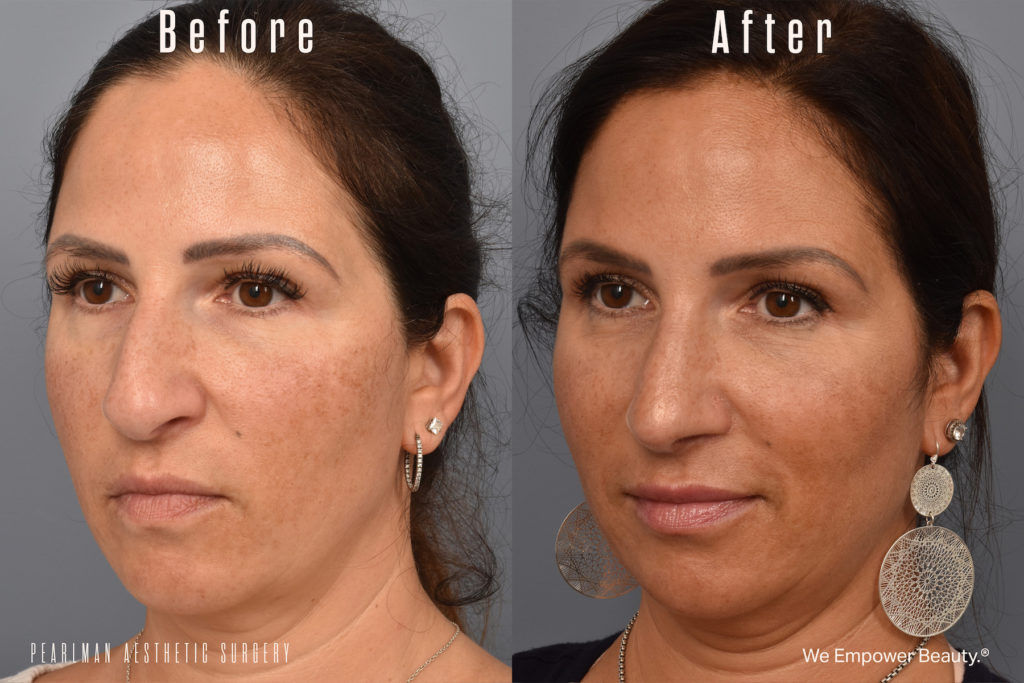
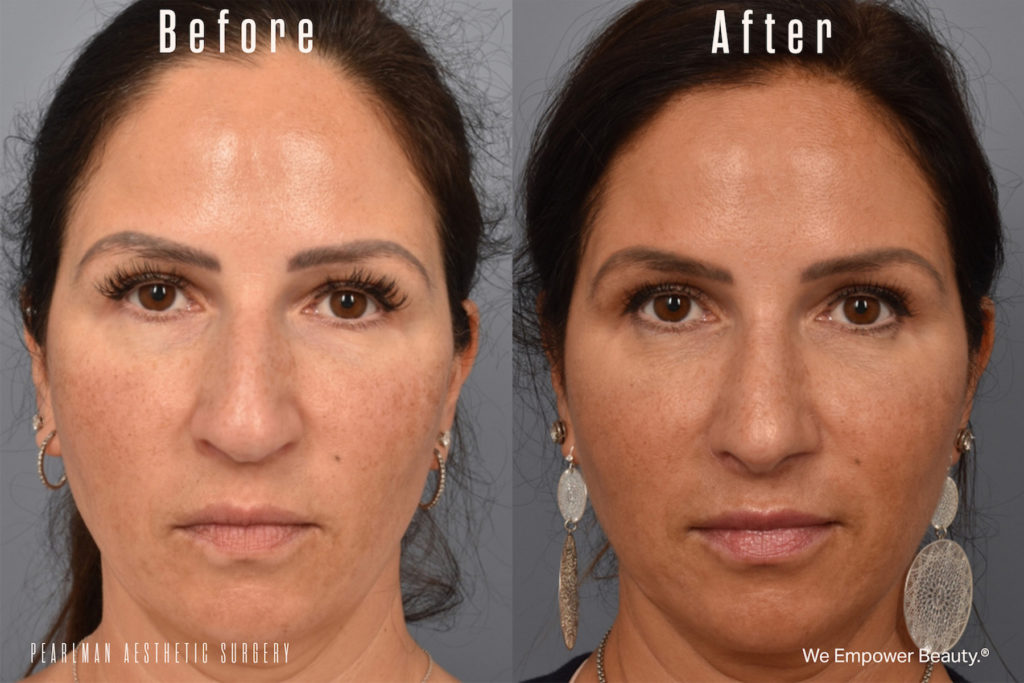
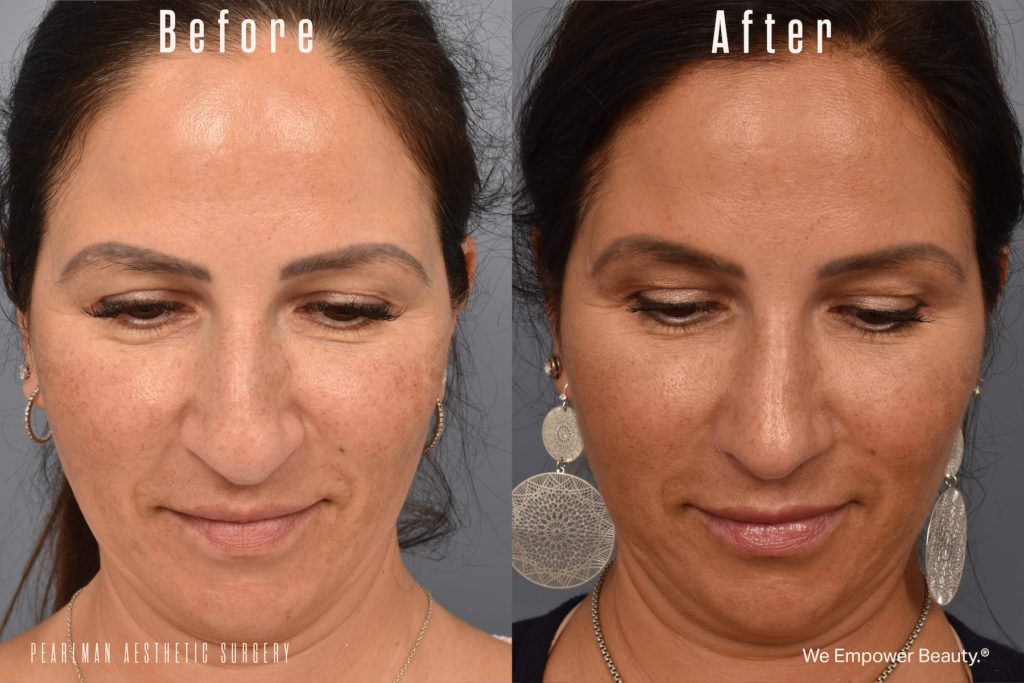
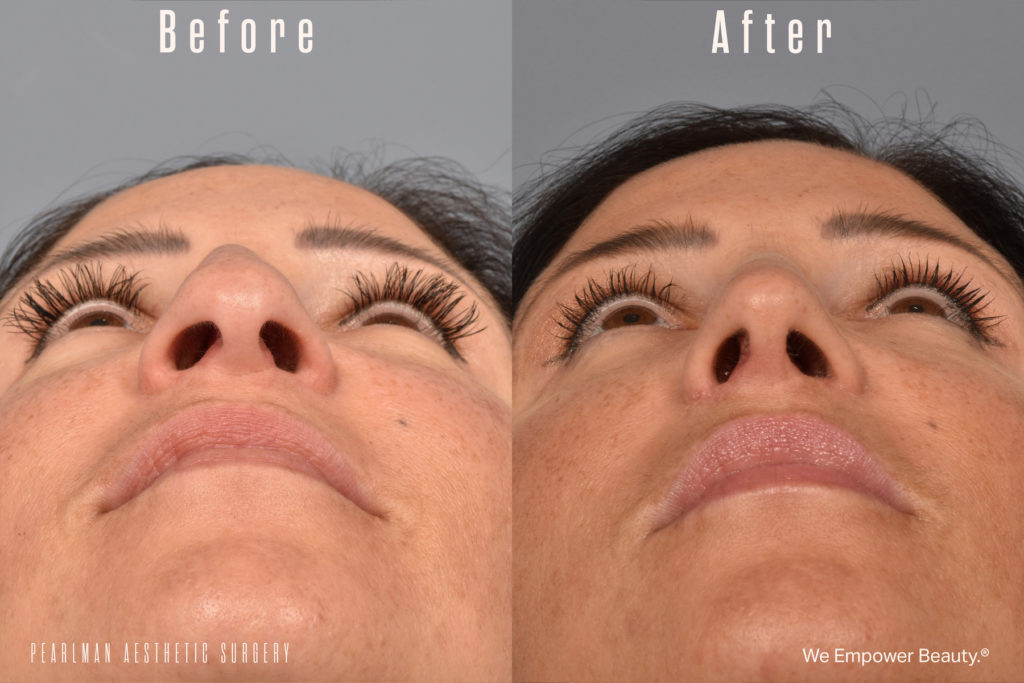
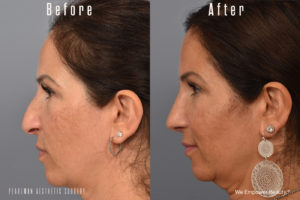
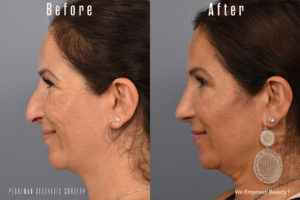
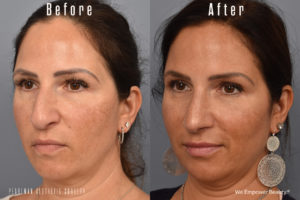
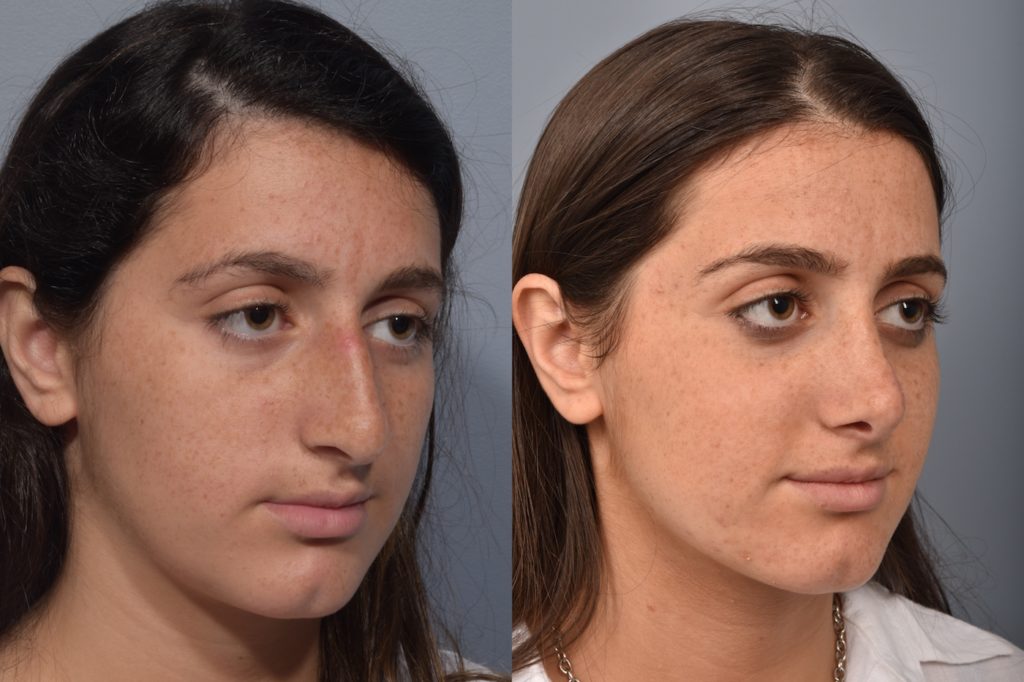
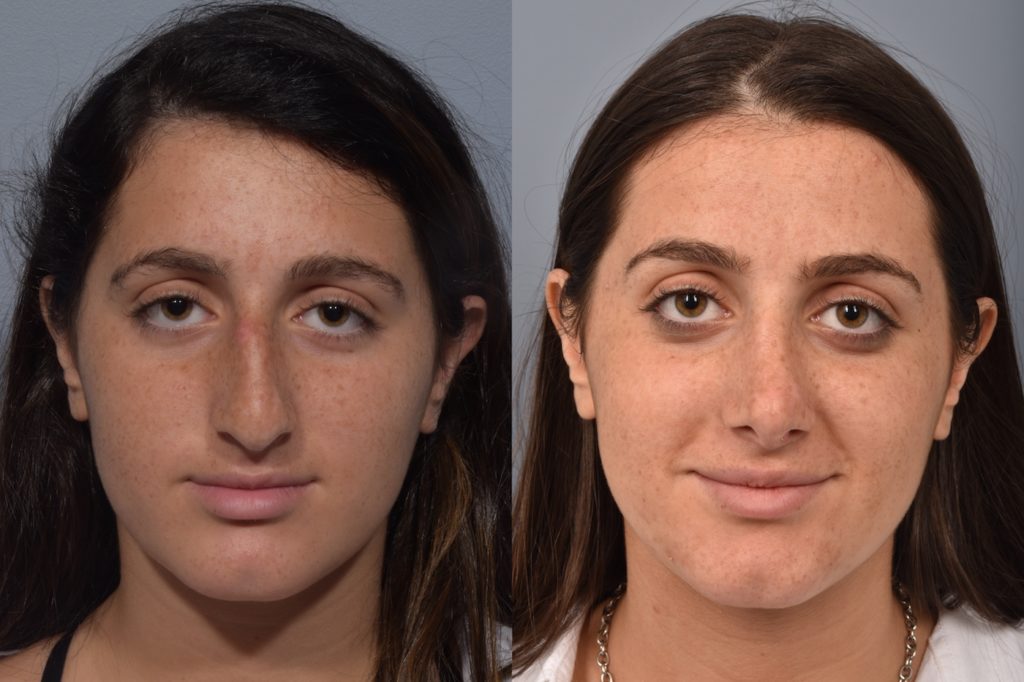
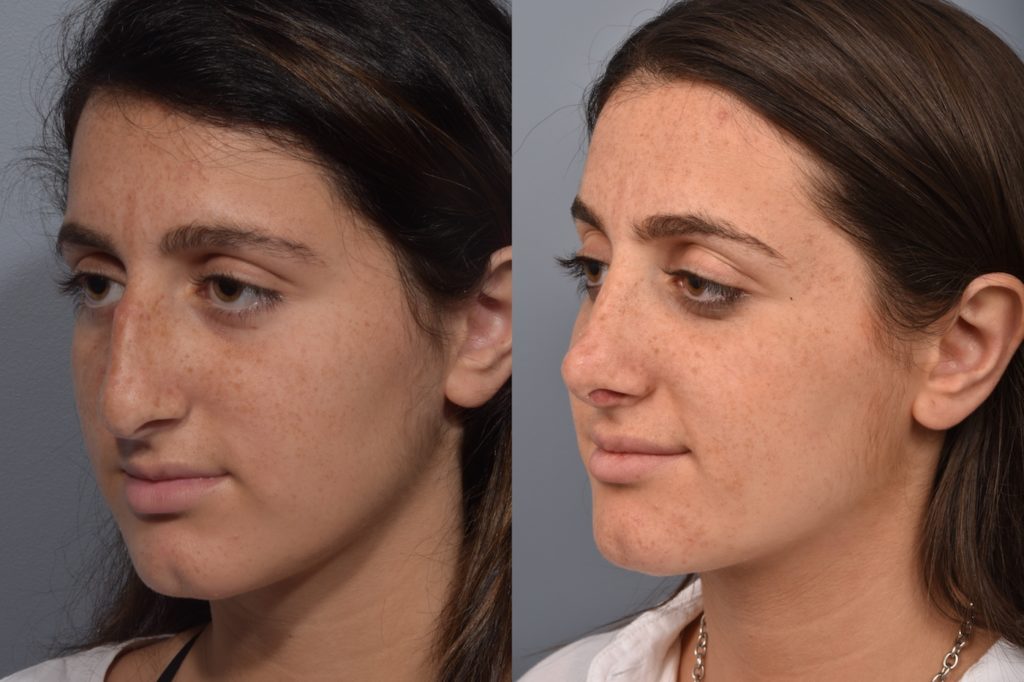
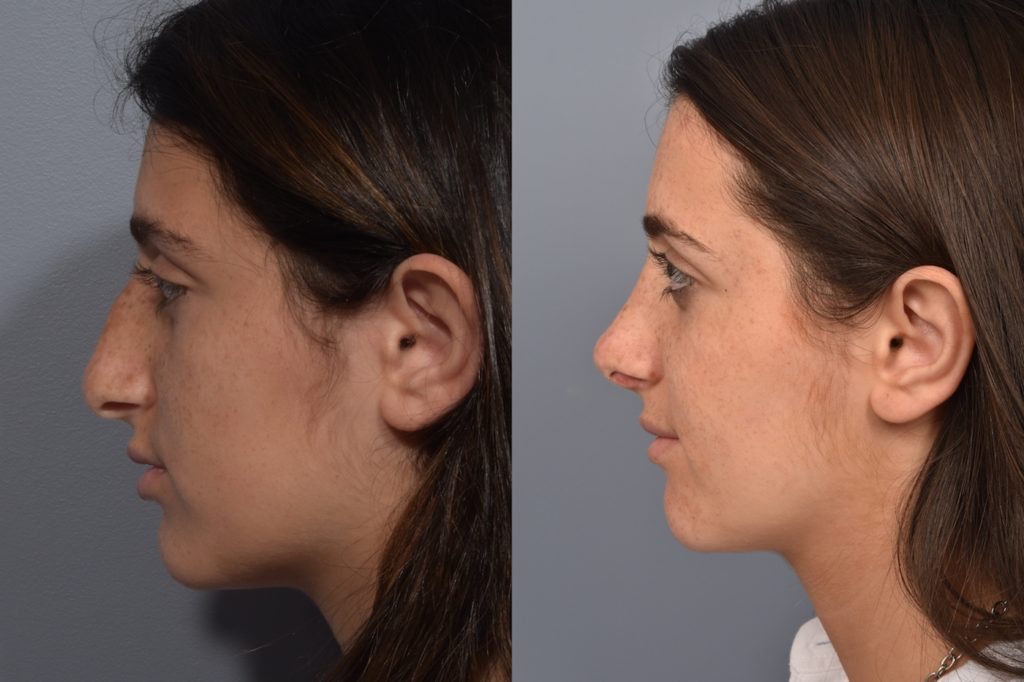
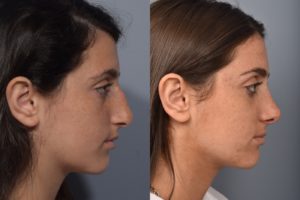
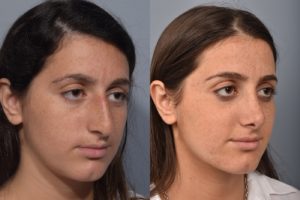
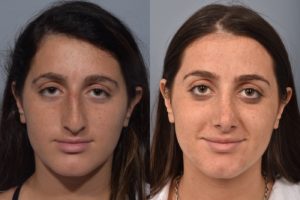
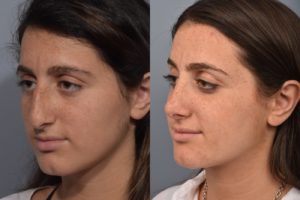

Piezo Ultrasonic Rhinoplasty
Altering the width, shape, and profile of your nose structure may require a reshaping of the nasal bones. In a traditional rhinoplasty in which nasal bones are reshaped, the technique involves the use of surgical rasps or chisels.
At Pearlman Aesthetic Surgery, we often employ the Piezo ultrasonic rhinoplasty technique. The Piezo uses ultrasonic waves to sculpt the nasal bones without impacting the soft tissues around the nose.
The Piezo ultrasonic rhinoplasty technique offers exceptional success, enhanced precision, and less trauma compared to traditional methods. Dr. Pearlman was one of the first surgeons in the US to utilize Piezo Ultrasonic Rhinoplasty. Since its FDA approval in November 2017, Dr. Pearlman has been actively lecturing and demonstrating this device at various rhinoplasty conferences and dissection courses.
Preservation Rhinoplasty
The preservation rhinoplasty is specifically designed to address and reduce a nasal hump using a modern approach for achieving a smoother profile with reliable results.
The technique involves removing cartilage and bone beneath the outer layer of the nasal bone and cartilage. The bridge is then gently compressed downward to flatten the hump, resulting in a smooth, natural, and straight dorsum. The primary objective of a preservation rhinoplasty is to achieve a straight, smooth nasal dorsum while preserving the natural structure. Dr. Pearlman will employ this technique in appropriate patients.
Meet Dr. Pearlman
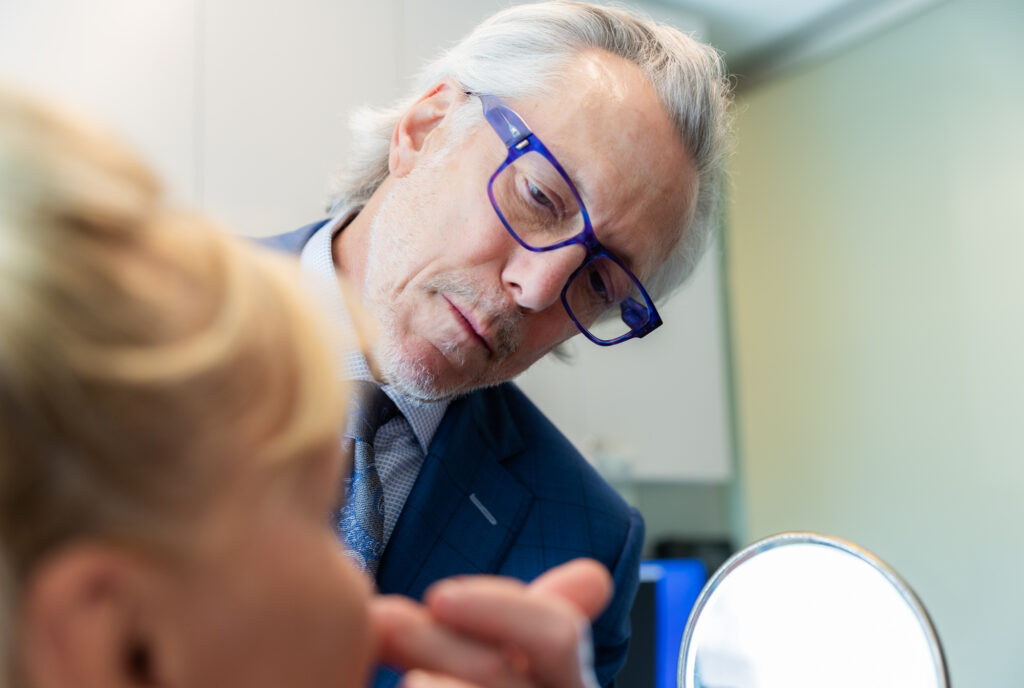
Dr. Pearlman is double-board certified in facial plastic and reconstructive surgery and has also performed over 12,000 rhinoplasties throughout his career. His reputation as a top NYC rhinoplasty surgeon is because of his meticulous attention to detail, precise surgical technique, and commitment to clear patient communication.
Additionally, Dr. Pearlman frequently uses cutting-edge technologies, such as Piezo ultrasonic rhinoplasty and preservation rhinoplasty techniques.
Dr. Pearlman's Expertise
Over 37 years of experience
More than 12,000 rhinoplasties performed
Clinical Professor at Columbia University College of Physicians and Surgeons
Former President of the American Academy of Facial Plastic and Reconstructive Surgery
Dual board-certified in Facial and Plastic Surgery and Otolaryngology-Head and Neck Surgery
Founding President of the New York Facial Plastic Surgery Society
Top Doctor over 10 times in New York Magazine and Castle Connolly
10-time winner of the Patients’ Choice Award
Fellowship trained from a highly sought-after fellowship with AAFPRS—a year-long study focused on facial and reconstructive surgery with a Master Surgeon
Fellowship Director for the American Academy of Facial Plastic and Reconstructive Surgery
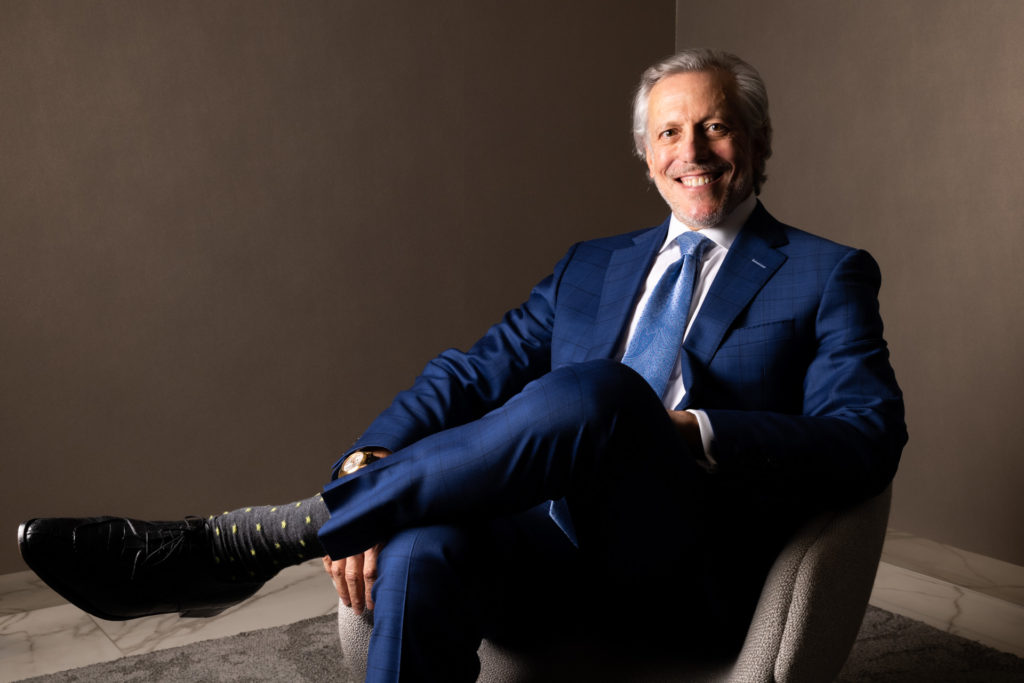
“I don’t see myself as a superior person, but a person who made the most of excellent opportunities. My way of giving back is to always strive for—and offer—the best. This helps me obtain top-quality results on each individual and to provide comprehensive care for my patients. That’s why I still attend and lecture at numerous courses and conferences throughout the year. To share and stay on top of the latest techniques.”
– Dr. Steven Pearlman
NYC Rhinoplasty
How It Works
Your Consultation
Surgery
Recovery
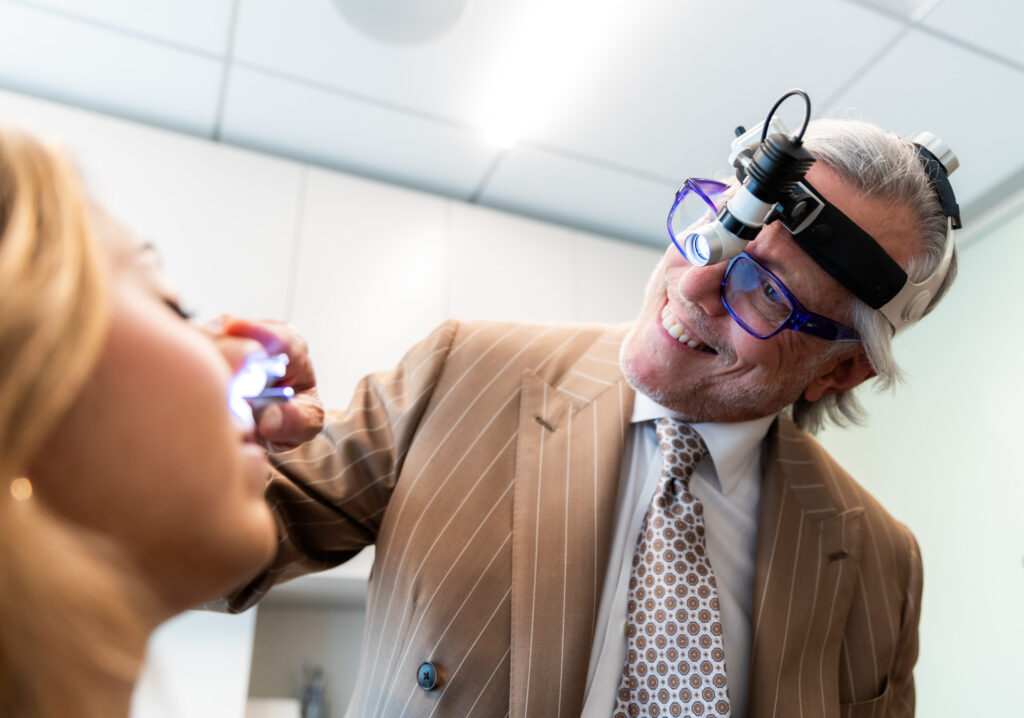
The consultation is your time to ask questions and get to know your surgeon!
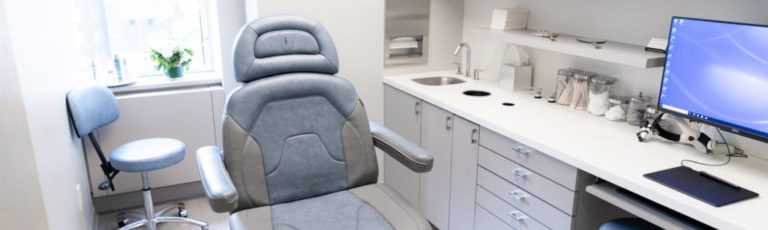
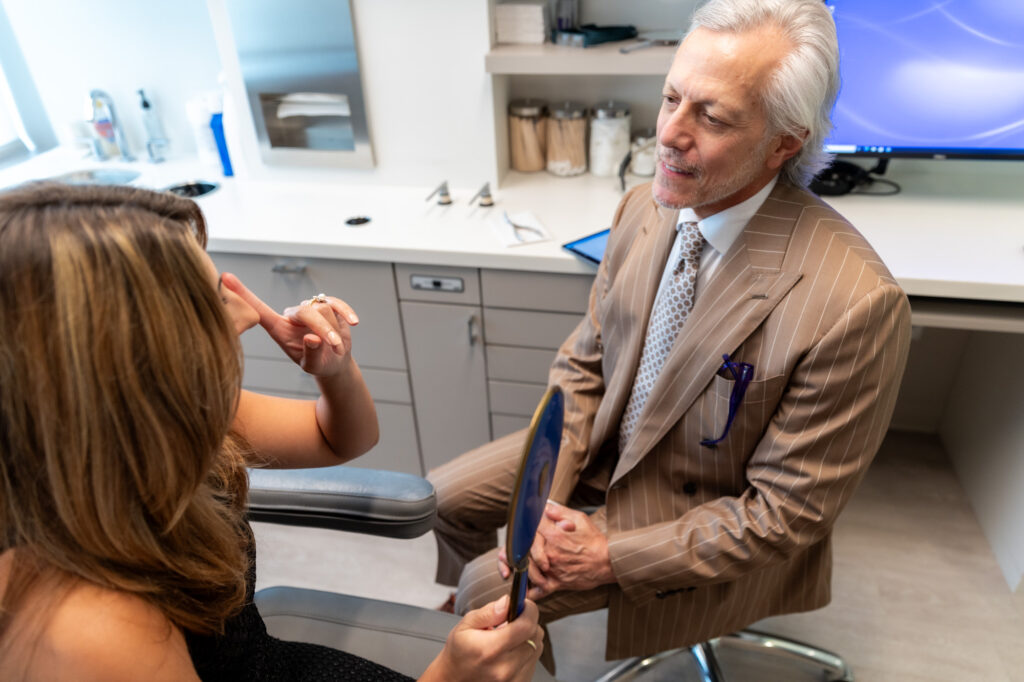
At Pearlman Aesthetic Surgery, we know that the consultation sets the tone for your entire surgical experience. Your consultation will be a private meeting with Dr. Pearlman and our Patient Care Coordinator.
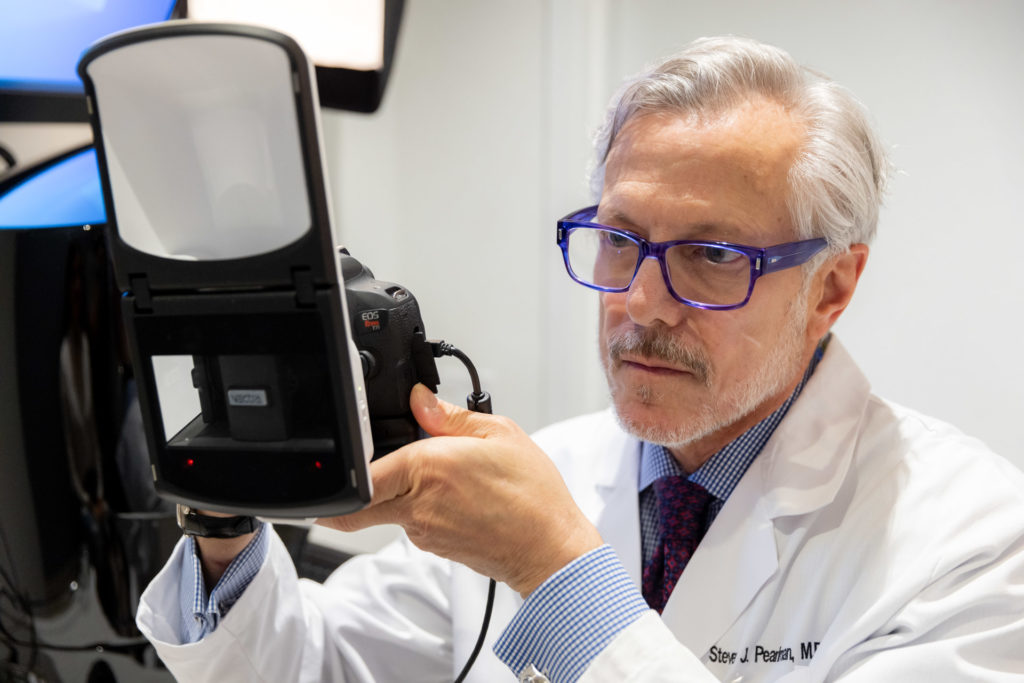
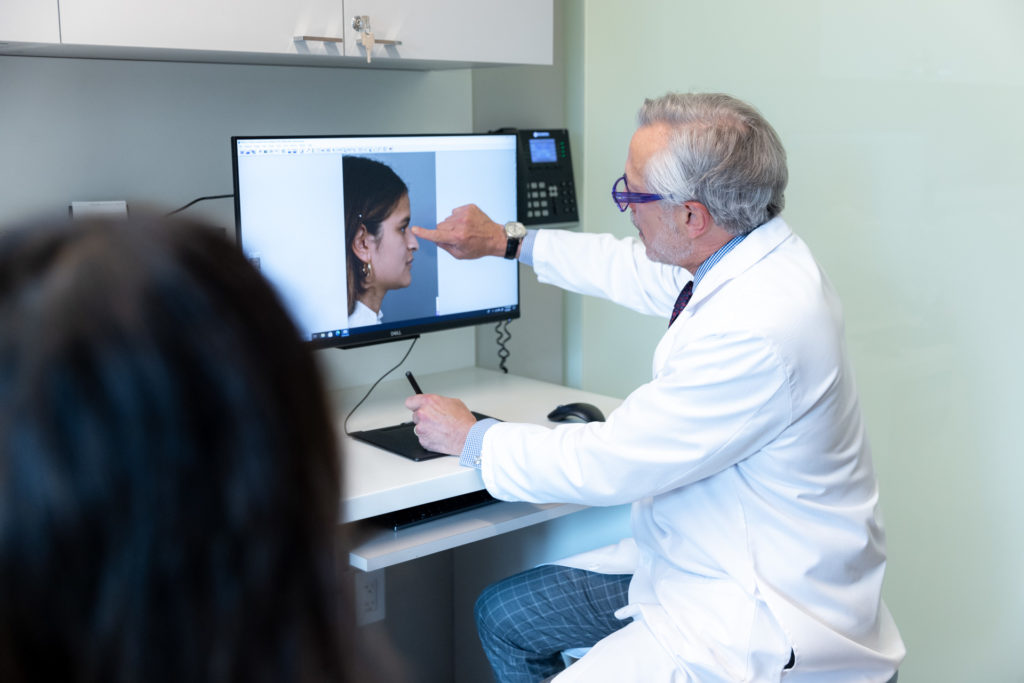
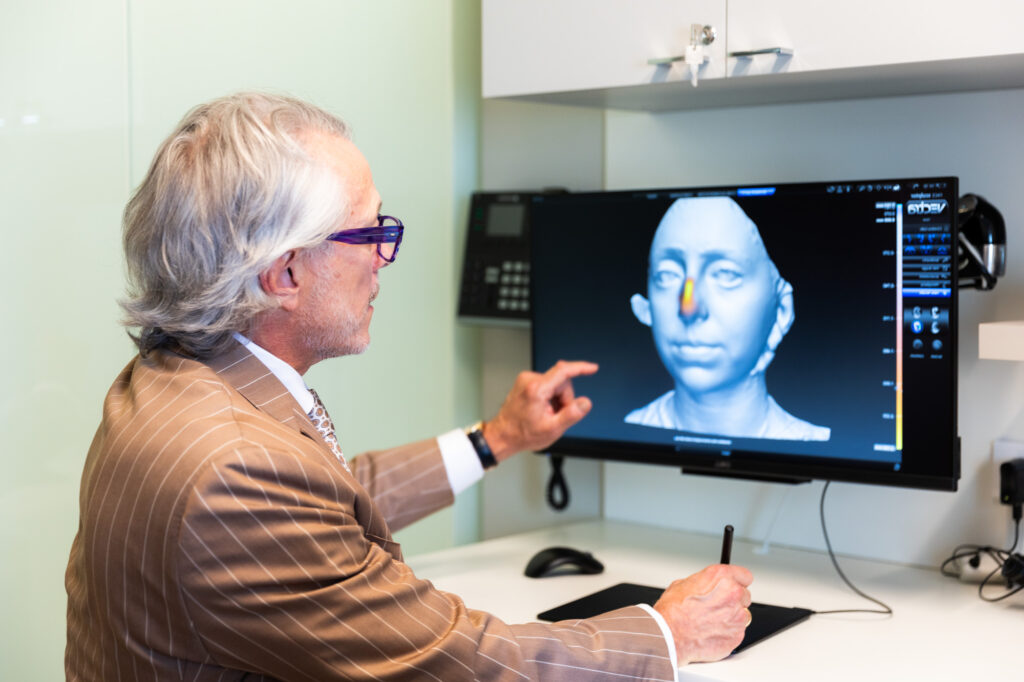
During rhinoplasty consultations, we utilize 2D Mirror Computer imaging for all rhinoplasties and Vectra 3D imaging for primary rhinoplasty. This lets us talk through different options for adjusting the nose, using advanced technology to visualize your results in real-time.
In addition to the imaging, we’ll look over before and after photos from previous patients.
We’ll discuss several things:
-
- Your goals for your surgery
- The expected recovery timeline
- The surgical technique Dr. Pearlman will use
- Any surgeries you may like to combine with your rhinoplasty
You’ll work together to outline your goals using Dr. Pearlman’s expert recommendations and your desired results. He’ll make certain that you understand the achievable goals based on his recommendations, designing a surgical plan to achieve your ideal results.
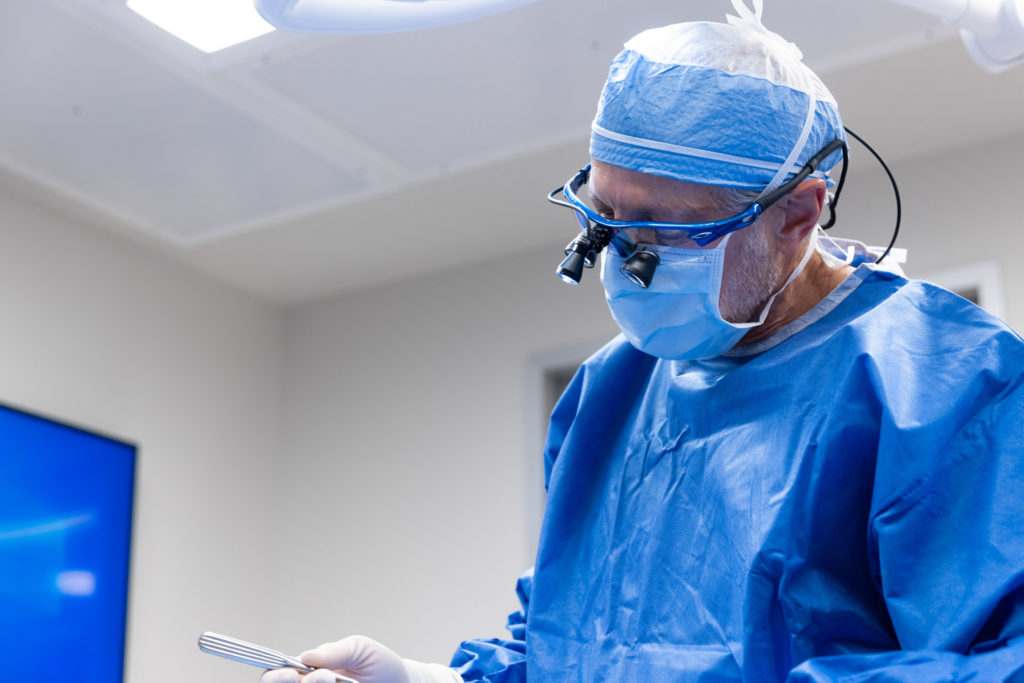
Your rhinoplasty will take place at our luxurious NYC surgery facility. Before your procedure, our team will go over your care plan and what to expect one more time.
Dr. Pearlman will use the best rhinoplasty surgical technique for your anatomy and desired results. The surgery itself can last anywhere from 1 to 3 hours, depending on the complexity. Revision rhinoplasty might take longer.
After the surgery, you’ll be taken to a recovery area where you’ll be monitored as the anesthesia wears off. Once you’re stable and alert, you’ll be given discharge instructions. This will include how to care for your nose, what medications to take, and when to follow up with Dr. Pearlman.
You will need someone to drive you home because we use general anesthesia for the procedure.
Dr. Pearlman and our patient care team will closely guide you through your post-operative care. We will provide detailed instructions on all aspects of the process to guide your recovery.
After your rhinoplasty procedure, we provide a recovery toolkit that includes post-operative instructions, a prescription for pain medication, gauze, drip pads, and nasal rinse. We provide a recommended shopping list of items to purchase in preparation for your recovery at home.
Most patients will see about 85% of their results after 1 month, 95% after 6 months, and 99% after 1 year. Dr. Pearlman performs both closed rhinoplasty and open rhinoplasty. He will choose the technique that is best for you. When open rhinoplasty is performed, the incision typically heals to the point where it is barely noticeable, visible only up close and from beneath the nose. As Dr. Pearlman often says, “Someone would need to be close enough to count your nasal hairs to spot this incision.”
If working from home is a possibility, most patients usually feel well enough to do so after day 3. You just may want to keep the Zoom camera off, as the cast will still be on, and swelling may persist.
Frequently Asked Questions
Rhinoplasty
Revision Rhinoplasty
Rhinoplasty Recovery
Do you take patients from out of town?
Yes, we have many patients from all over the US as well as international patients! We have Concierge Services devoted to providing more information to assist our patients that travel to us. We are happy to share recommendations on transportation, hotels, and more.
How do I know if I need a closed rhinoplasty?
Dr. Pearlman uses the closed rhinoplasty technique when anatomically appropriate. Closed rhinoplasty is sometimes called Endonasal Rhinoplasty or Scarless Rhinoplasty.
Determining whether you are a candidate for closed rhinoplasty depends on several structural, aesthetic, and functional considerations that are best evaluated during your consultation. Closed rhinoplasty is most beneficial for patients whose goals can be achieved through internal incisions alone, such as those who do not require significant tip reshaping, major structural grafting, or extensive revision of the nasal framework. Because all incisions are placed inside the nostrils, a closed rhinoplasty in NYC sometimes allows for a quicker recovery with slightly less postoperative swelling, making it a perfect option for those seeking slight, subtle refinement with minimal disruption.
During your consultation, Dr. Pearlman will assess the architecture of your nasal tip, bridge, and overall internal support structures to determine whether closed rhinoplasty techniques can be utilized to achieve your unique goals. Patients with strong underlying cartilage support and those who are looking for more conservative enhancements are often good candidates for closed rhinoplasty.
Not every nose can be fully corrected through a closed approach. If a procedure requires extensive visualization—like precise tip sculpting, advanced grafting, treatment of a severely crooked/asymmetric nose, or complex revision work, —an open rhinoplasty may offer the greater control and precision needed. Dr. Pearlman will explain the benefits of each technique as it applies to your specific anatomy, ensuring that the chosen method maximizes both aesthetic balance and functional improvements. This additional incision is only 3 to 4 mm in length and not visible within a few months. For most patients, someone would need to be looking up your nose with a magnifying glass to even see the incision.
Ultimately, the best way to know whether you need a closed rhinoplasty in NYC is through a personalized evaluation.
If you’d like to learn more about whether you’ll need an open or a closed rhinoplasty, take a look at our blog discussing it! → Open Vs. Closed Rhinoplasty
How do I know if I need a septoplasty?
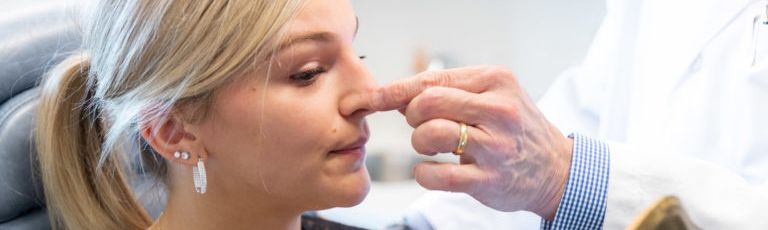
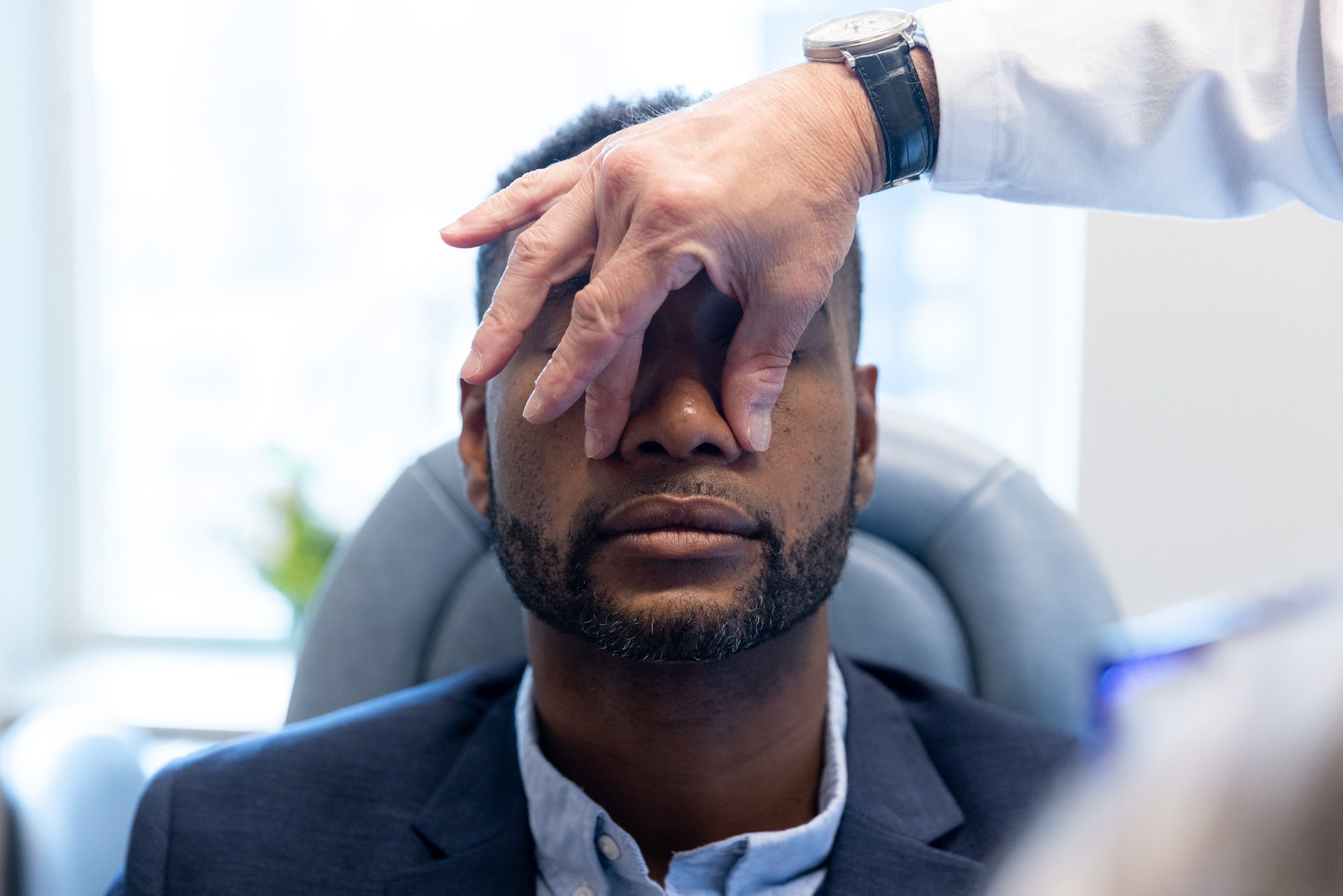
During your rhinoplasty consultation in our Manhattan office on Park Avenue, Dr. Pearlman will examine the inside of your nose to check for a deviated septum, a narrow internal valve, and/or inflammation or swelling of the turbinates. These are all conditions that can compromise nasal breathing. This examination will reveal whether septoplasty or other functional procedures are necessary to improve nasal breathing.
Beyond the physical examination, several symptoms and functional concerns may indicate that a septoplasty could be beneficial. Many patients who experience chronic nasal congestion that does not respond to allergy medication or decongestants—congestion that often switches from one side of the nose to the other but is usually worse on one side —may benefit from a septoplasty. Difficulty breathing through one or both nostrils, especially when exercising or sleeping, can also be a sign of a deviated septum that is obstructing airflow.
During your consultation, Dr. Pearlman will not only assess the internal structure of your nose but also discuss your symptoms, breathing habits, and medical history to determine whether functional correction is appropriate. If you are considering rhinoplasty in NYC primarily for aesthetic reasons, but also experience some mild breathing difficulties, this evaluation becomes especially important. Combining a septoplasty with an aesthetic rhinoplasty allows for both form and function to be corrected in one procedure, providing comprehensive and lasting improvement.
Ultimately, the decision to choose a septoplasty is rooted in a combination of anatomical findings and the symptoms you experience in daily life. Dr. Pearlman’s goal is to ensure that your nose not only looks refined and natural, but also functions effortlessly, helping you breathe clearly, sleep comfortably, and enjoy an enhanced quality of life. If all you want or need is a septoplasty to improve breathing, this can be performed by an intranasal, scarless approach, without any external incisions or external changes to the nose at all.
How do I know if I need an open rhinoplasty?
Open rhinoplasty allows better visualization of distorted nasal anatomy when the nose is very crooked, the nose is significantly over-projected (sticks out very far), or when Dr. Pearlman is performing a complex revision rhinoplasty. In these cases, the open technique allows for more precise correction and easier manipulation of the nasal cartilage and graft placement. The incision is very tiny; in most circumstances, it is undetectable.
If you’d like to learn more about whether you’ll need an open or a closed rhinoplasty, take a look at our blog discussing it! → Open Vs. Closed Rhinoplasty
Is a rhinoplasty covered by my insurance?
If the purpose of your rhinoplasty is to correct breathing issues and a deviated nasal symptom, it is possible your insurance may cover the breathing or functional portion of the procedure! Dr. Pearlman’s dedicated office staff will be more than happy to assist you in discovering whether or not your procedure will be covered. Cosmetic rhinoplasty is not covered by insurance, but we do offer several financing options for you to choose from.
Is it ever too late in life for a rhinoplasty?
No, it is never too late for a rhinoplasty. Many of our patients decide later in life that they are ready for a rhinoplasty. As long as you are in good general health and have realistic expectations, you can undergo a rhinoplasty at any age.
Choosing rhinoplasty in NYC later in life is far more common than most people realize. Patients often reach a point where they feel more confident in their personal style, more established in their careers, or simply more prepared to focus on themselves, making it an ideal time to pursue a change they have long thought about. For some, age brings a shift in facial proportions or subtle changes in nasal structure due to cartilage weakening, previous injuries, or natural aging. Rhinoplasty can thoughtfully restore balance and harmony, creating a refreshed and natural appearance without looking “overdone.” Rhinoplasty can also address aging changes of the nose: drooping and widening of the tip, and a more visible hump.
It’s also important to note that recovery considerations are typically similar across age groups. Healthy, active adults in their 40, 50s, 60s, and even 70s can still heal exceptionally well post-operation. The procedure can be performed to address functional concerns like breathing difficulties, purely aesthetic goals, or both simultaneously for a comprehensive improvement.
Age should not be viewed as a barrier to achieving a nose that feels proportional, natural, and aligned with your self-image. If you are in good health and motivated to enhance either the appearance or function of your nose, rhinoplasty remains a safe and rewarding option at virtually any stage of life.
Is rhinoplasty scarring noticeable?
When Dr. Pearlman performs a closed rhinoplasty, he does not use external incisions. Therefore, all incisions are hidden inside the nose and virtually undetectable.
For open rhinoplasty, the only difference is a tiny incision across the bottom of the nose that usually heals so well it is undetectable.
Many patients are understandably concerned about scarring, especially when considering surgery in a central area of the face. Fortunately, rhinoplasty is known for being one of the least visibly scarring procedures in aesthetic surgery—especially when performed by a surgeon with Dr. Pearlman’s level of precision and experience. The placement of incisions, the technique used, and the post-healing process all contribute to exceptionally discreet outcomes.
In closed rhinoplasty, the absence of external incisions means that there is simply no visible scarring from the procedure. This approach is ideal for patients whose goals can be achieved internally, while still providing the refined, natural-looking results they are seeking.
Open rhinoplasty in NYC utilizes a small incision placed along the columella (the tissue between the nostrils) and then is meticulously closed using a delicate suturing technique that’s designed to promote optimal healing. Over time, this incision typically fades, becoming extremely difficult to detect even at close, conversational distances. In most patients, the scar becomes virtually invisible once fully healed.
Dr. Pearlman and his team also provide comprehensive post-operative guidance to support healthy scar maturation. This may include gentle scar care, sun protection strategies, and follow-up evaluations to ensure the incision is healing beautifully. When rhinoplasty is performed with expert techniques and a patient follows their aftercare instructions, scarring is virtually non-existent and rarely a visible part of the final results.
What causes a dorsal hump to form?
What causes a dorsal hump to form?
A dorsal hump is a bump on the bridge of the nose, usually the upper bridge, typically composed of bone and cartilage. It can vary significantly in size and prominence from individual to individual.
Several factors can cause a dorsal hump to form:
- Genetic factors: Many people inherit the shape of their nose, including the presence of this “bump” on the nosefrom their family.
- Trauma or injury: Trauma to the nose, like a fracture, can cause a dorsal hump to develop during healing.
- Medical conditions: Conditions like a deviated septum can contribute to the formation of dorsal humps.
- Nasal tissues and cartilage changes: Some individuals experience dorsal hump growth as their nasal tissues and upper lateral cartilage change naturally over time. It’s not uncommon for a prospective patient to bring in a photo of their nose without any hump as a child.
The exact composition of the hump and why it may have formed affects how Dr. Pearlman treats the hump surgically.
What is a good age to undergo rhinoplasty?
The best age for rhinoplasty candidates begins in late adolescence or early adulthood. However, patients may undergo rhinoplasty earlier in life as long as nasal growth is complete. The procedure is appropriate for teenagers, typically starting at approximately age 15 for girls and 16 for boys. Specific ages depend on the patient’s growth and emotional maturity.
In addition to physical readiness, emotional preparedness is just as important. Teenagers considering rhinoplasty should have a clear understanding of their goals and realistic expectations for the outcome. Open communication between Dr. Pearlman, the patient, and the supporting family members will help ensure that the decision to undergo rhinoplasty in NYC is both thoughtful and properly informed. In teenagers, we often see the change in their outlook and confidence often outweighs the physical changes from rhinoplasty.
Rhinoplasty can be safely performed in adults at any age, provided that the patient is in good overall health. Patients both in earlier and later stages in life alike choose this procedure to address functional concerns, aesthetic goals, or changes in the nasal structure.
It is important for teens to be emotionally mature and prepared for the procedure. Visit our page on teenage rhinoplasty for more information.
What questions should I ask my nose surgeon?
To get the most out of your rhinoplasty consultation, Pearlman Aesthetic Surgery advises you to ask the following questions
- Are you certified by the American Board of Facial Plastic and Reconstructive Surgery?
- Are you certified by the American Board of Otolaryngology?
- Were you trained specifically in the field of facial plastic surgery?
- How many years of training in facial plastic surgery do you have?
- Do you specialize and devote the majority of your practice to nasal surgery?
- Is your surgical facility accredited by a nationally or state recognized accrediting agency?
- Am I a qualified candidate for this procedure?
