
best rhinoplasty surgeon NYC
Unmatched Rhinoplasty Expertise With Dr. Pearlman
Virtual Rhinoplasty Tool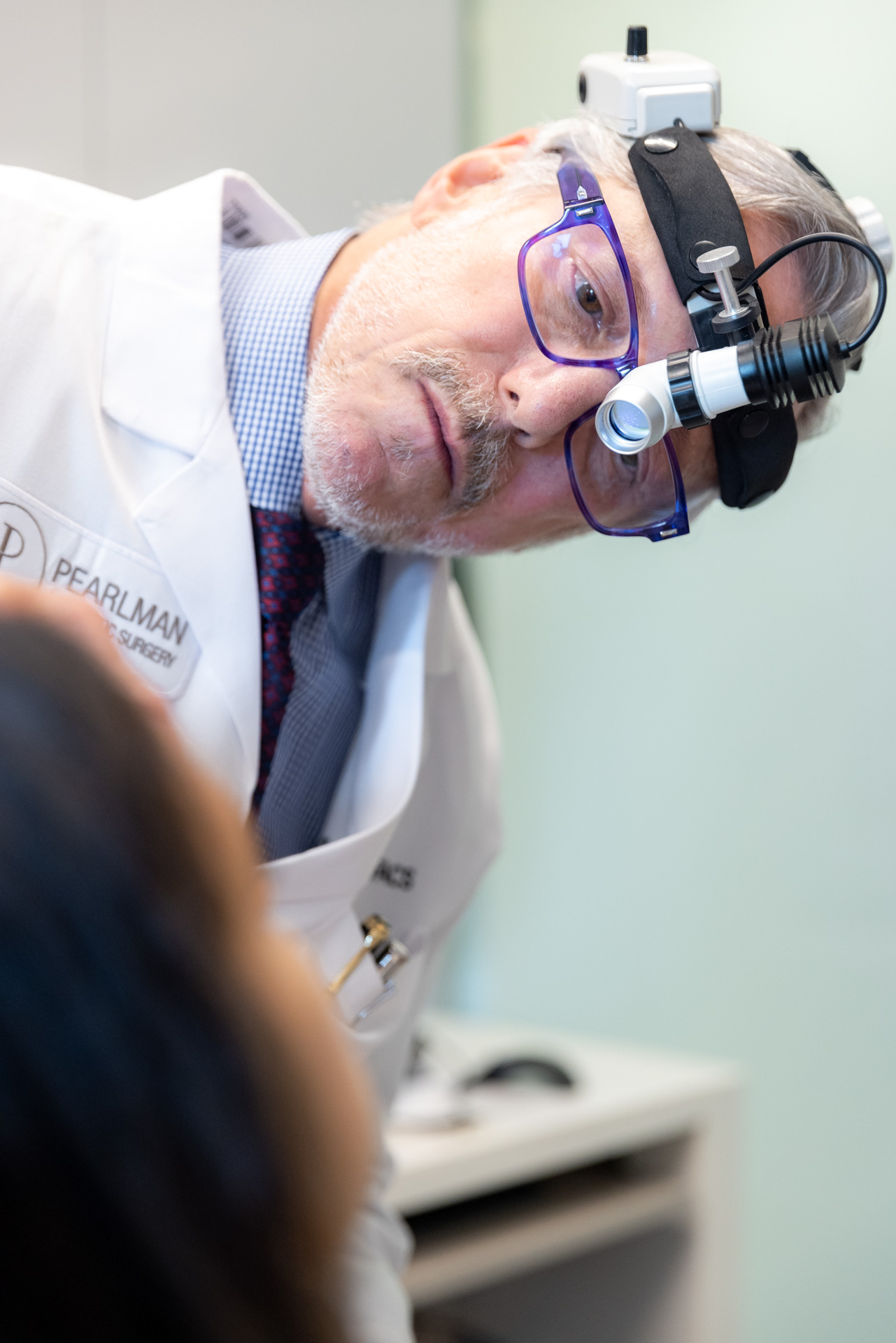
Welcome to Pearlman Aesthetic Surgery for rhinoplasty on Park Avenue
Dr. Pearlman is an expert NYC rhinoplasty specialist with decades of experience in creating the best version of you.
Not only is Dr. Pearlman double-board-certified in facial plastic and reconstructive surgery, but he has performed over 7,500 rhinoplasties in his career thus far. But what really makes him the best rhinoplasty surgeon in NYC is his meticulous attention to detail, his precise surgical technique, and his devotion to clear communication with you, the patient. Moreover, Dr. Pearlman often utilizes the latest technology in rhinoplasty, including Piezo Ultrasonic Rhinoplasty and Preservation Rhinoplasty techniques.
When you come to Dr. Pearlman at Pearlman Aesthetic Surgery, it goes without saying we will welcome you whole-heartedly, and treat you with the utmost respect. That’s why Dr. Pearlman always performs rhinoplasties with the intention of keeping your personal identity intact, and preserving what makes you you.
A Rhinoplasty with the Best Rhinoplasty Surgeon in NYC Can Fix:
Nasal hump
Overly large nose
Wide nose structure
Crooked or asymmetrical nose
Pinched tip
Deep creases above the nostrils
Tip "knuckles" (bossae)
Upturned nasal tip
"Scooped out" profile
Collapsed bridge
Nasal length discrepencies
Difficulty breathing
Deviated septum
Other abnormalities
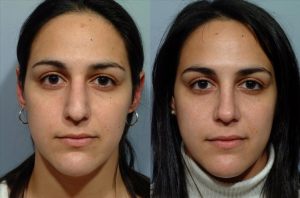
Before and After
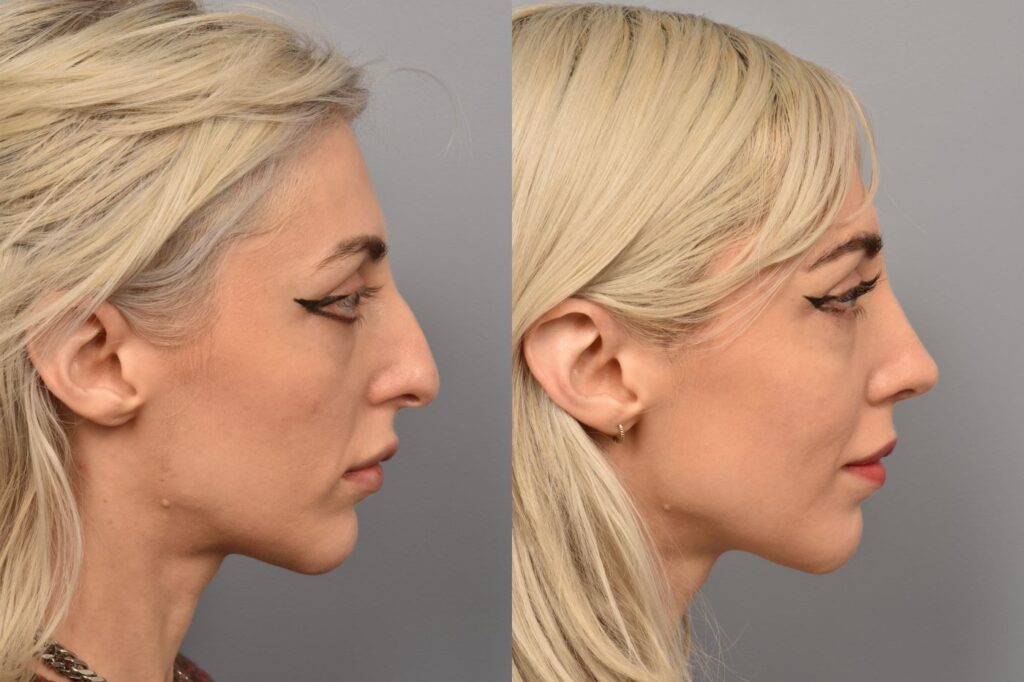
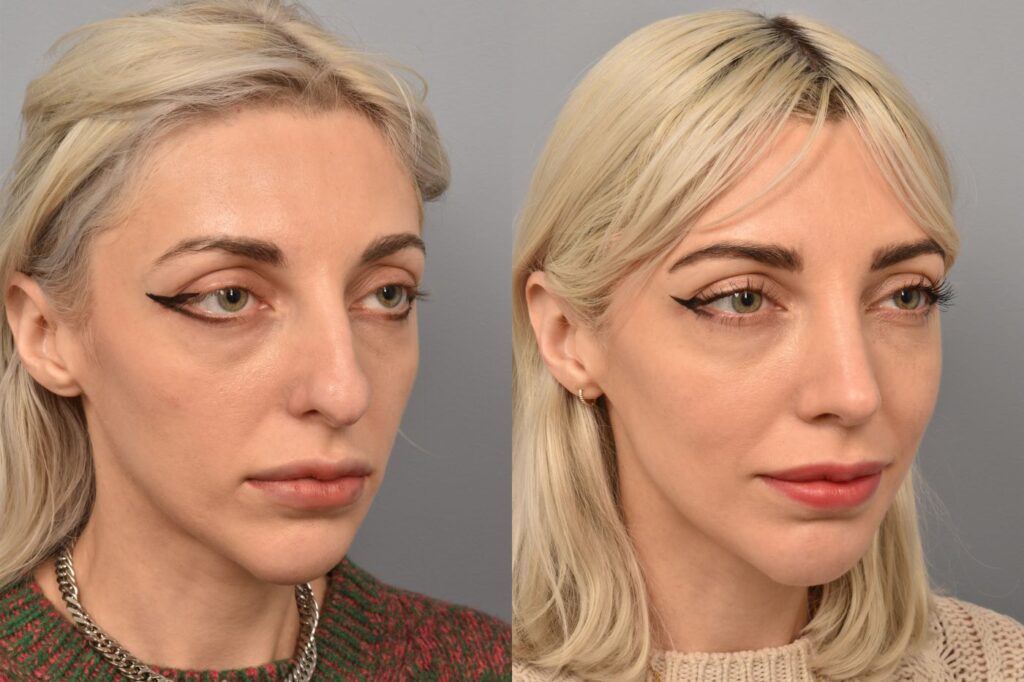
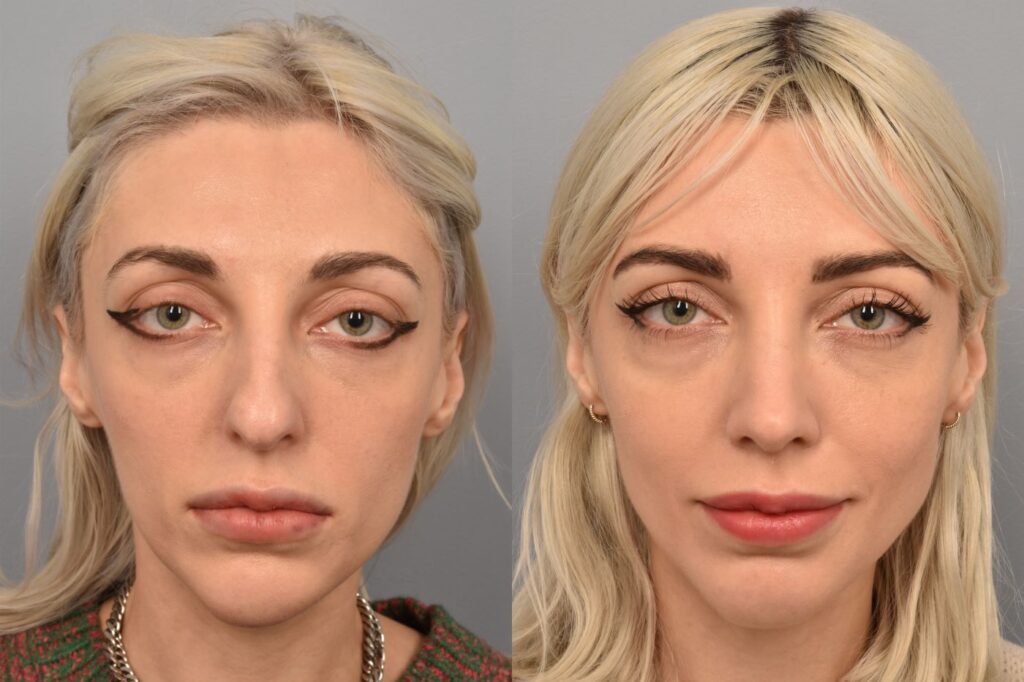
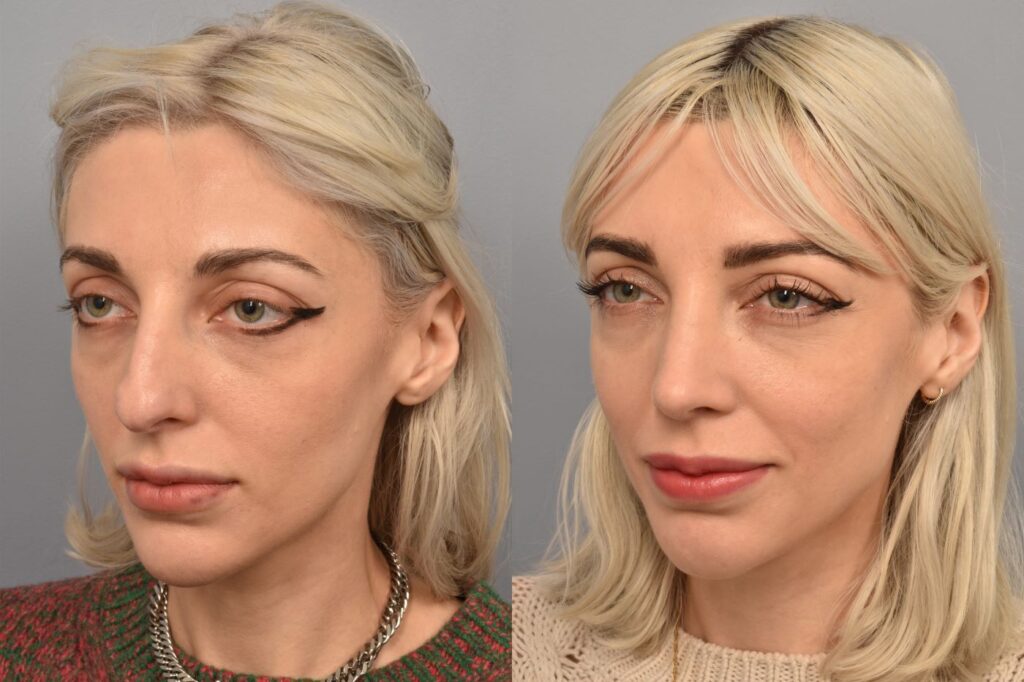
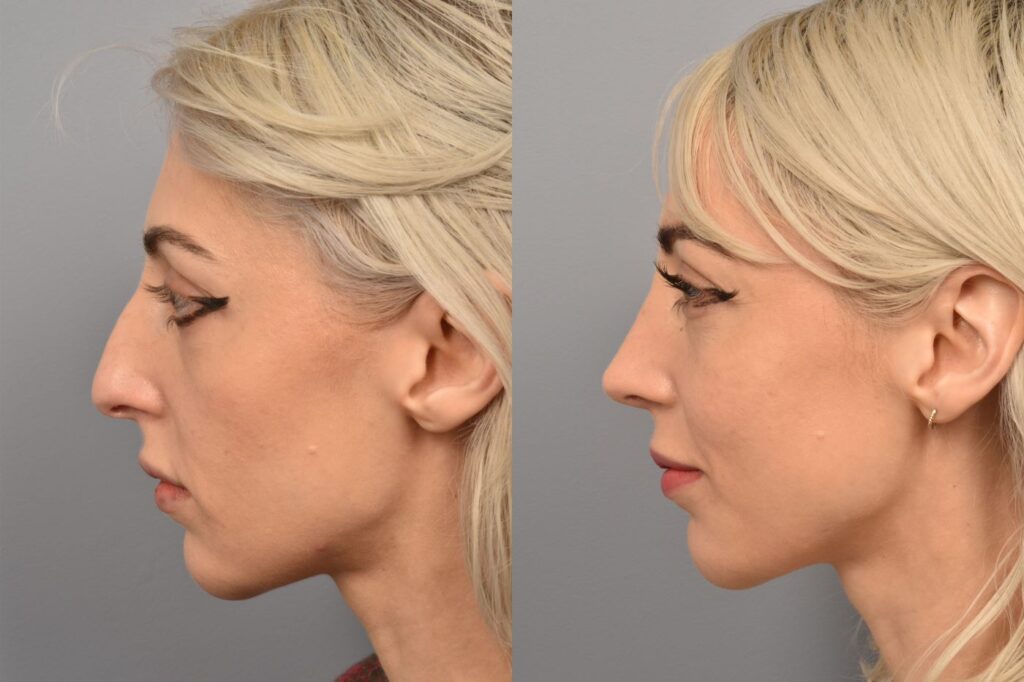
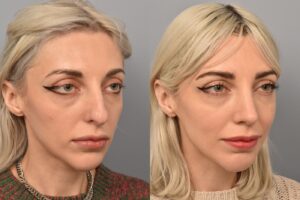
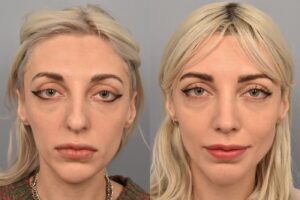
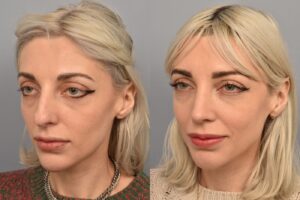

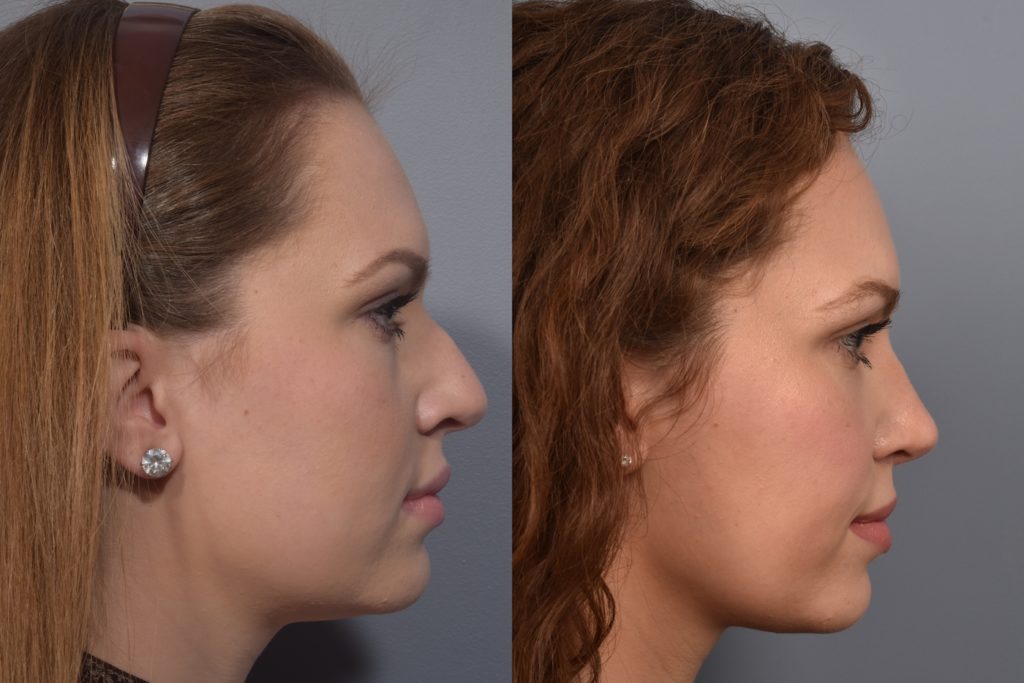
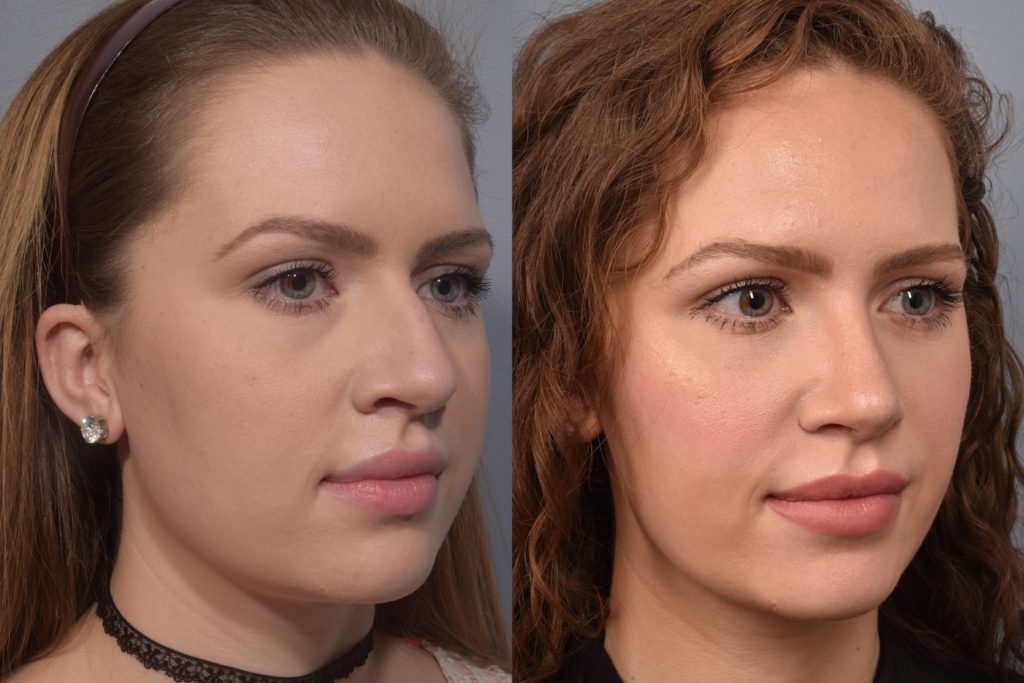
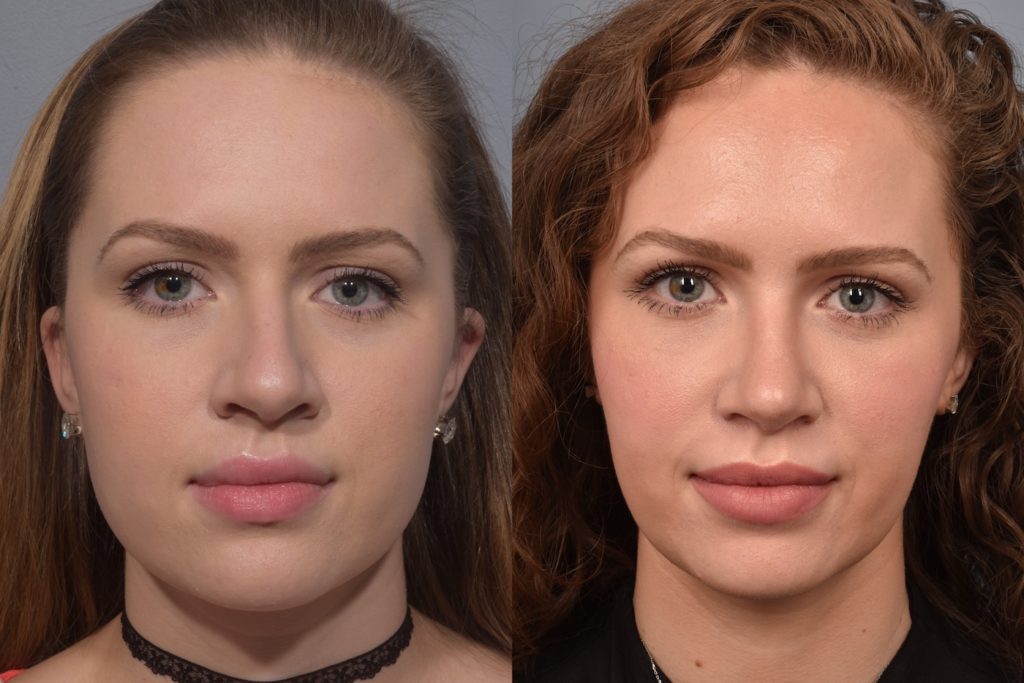
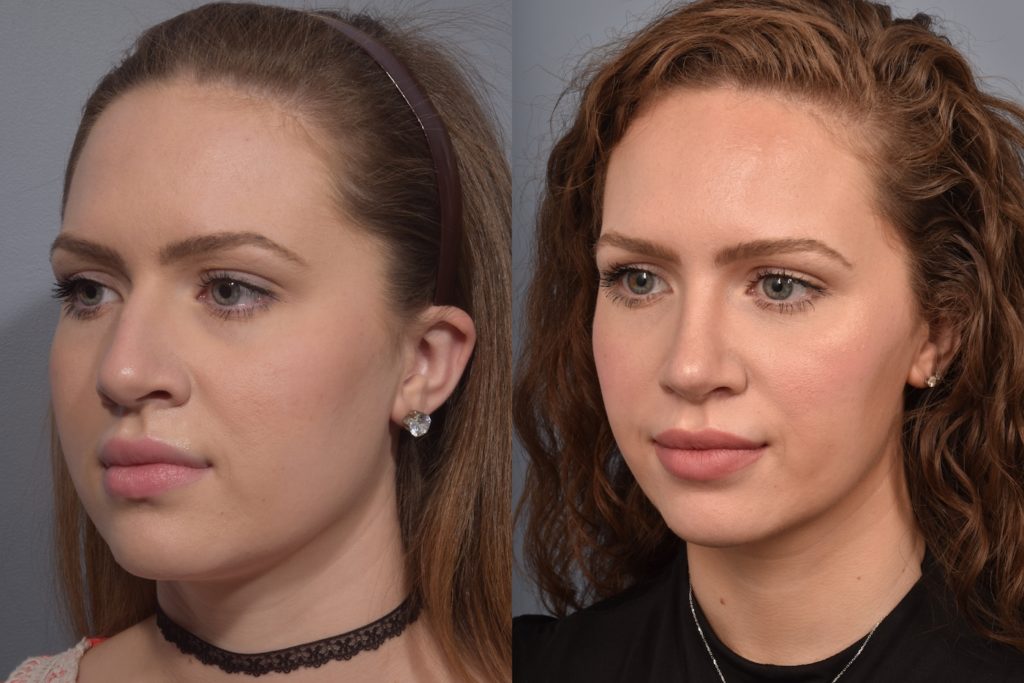
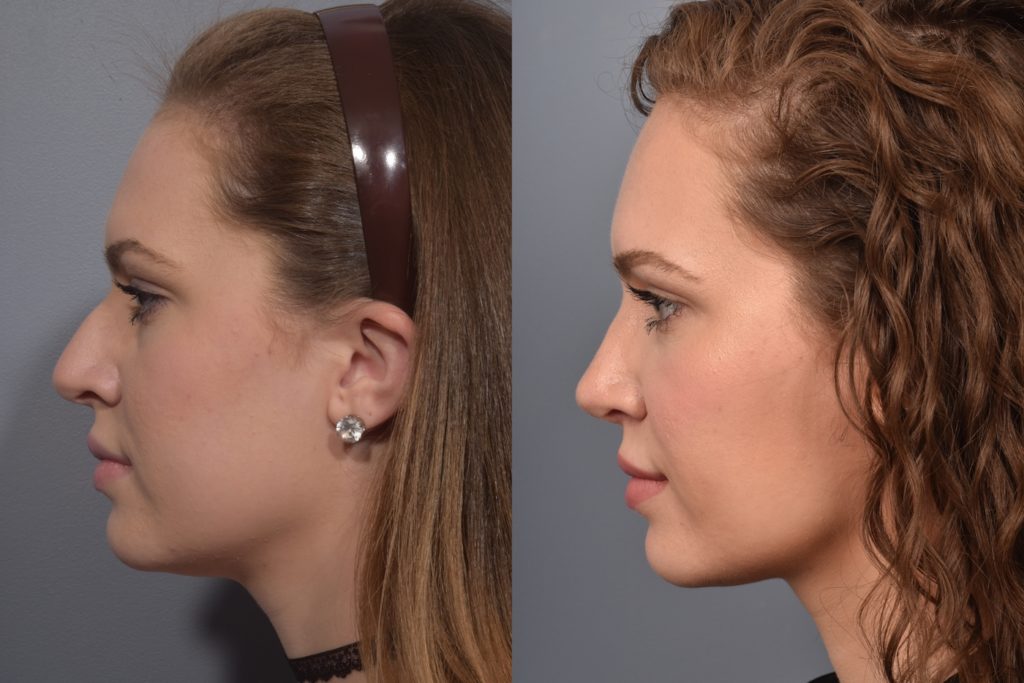
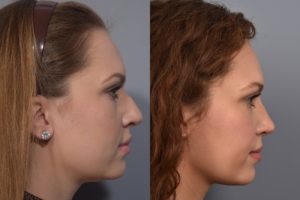
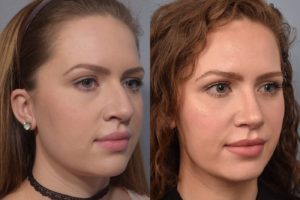
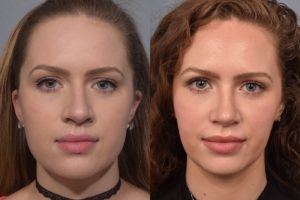
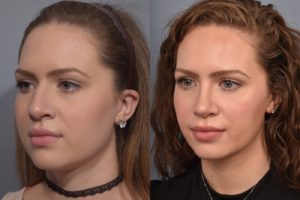
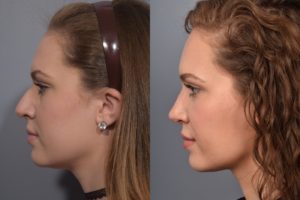
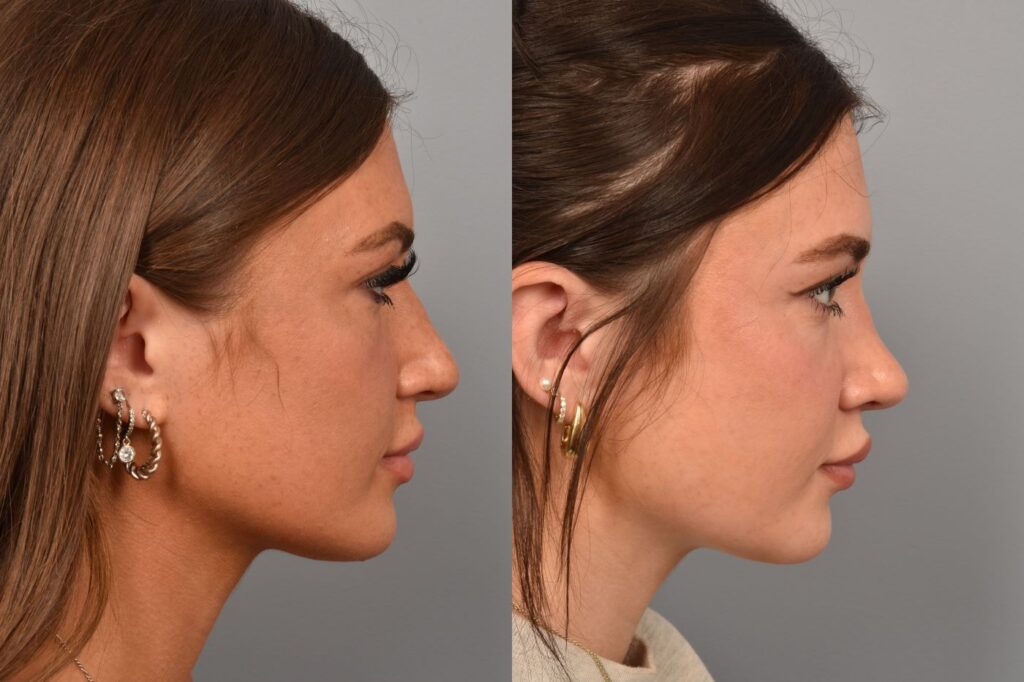
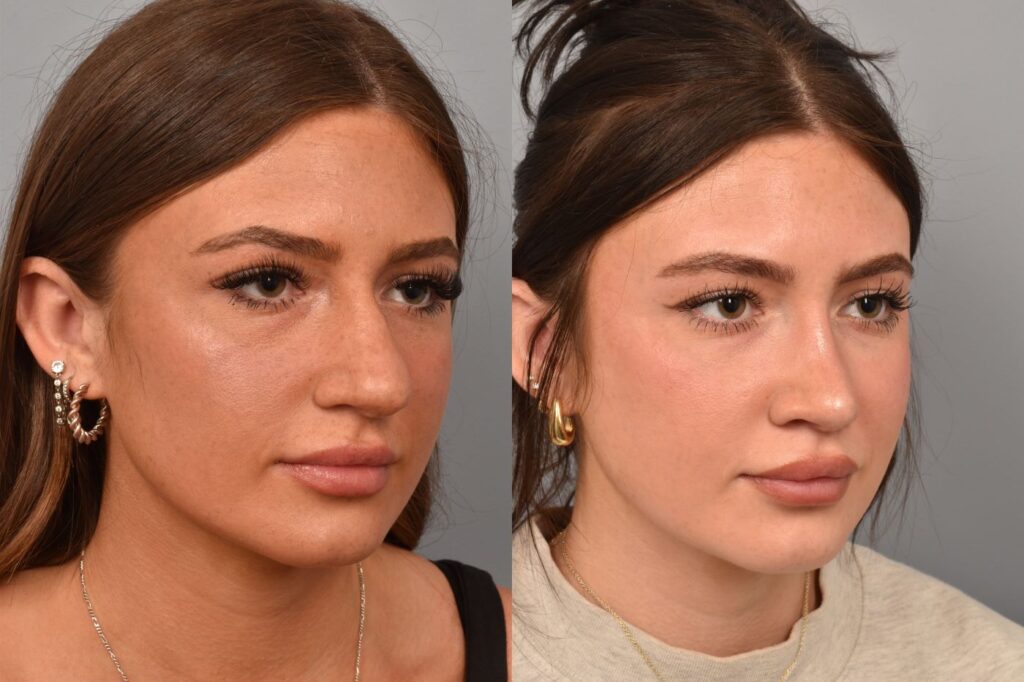

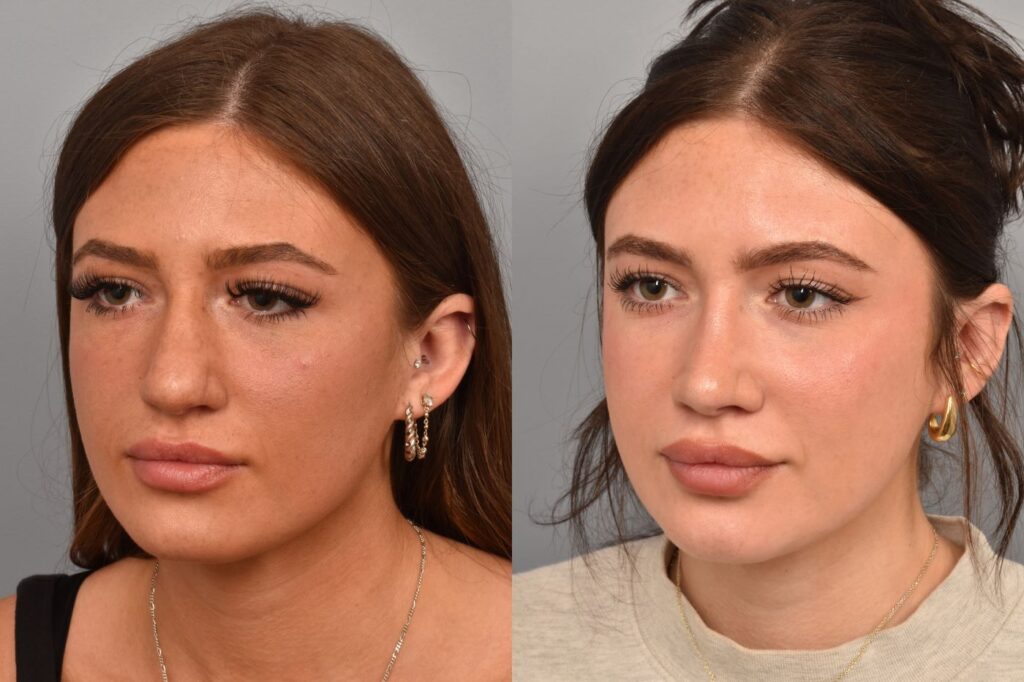


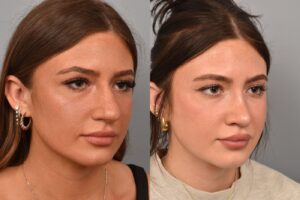
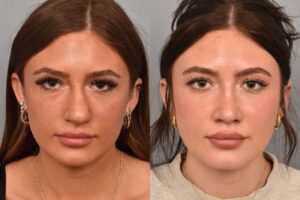
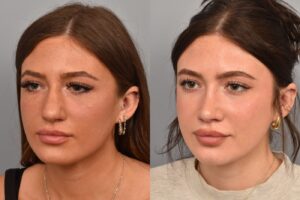
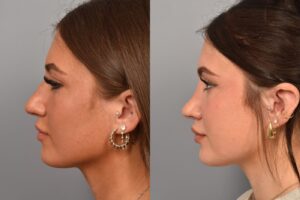
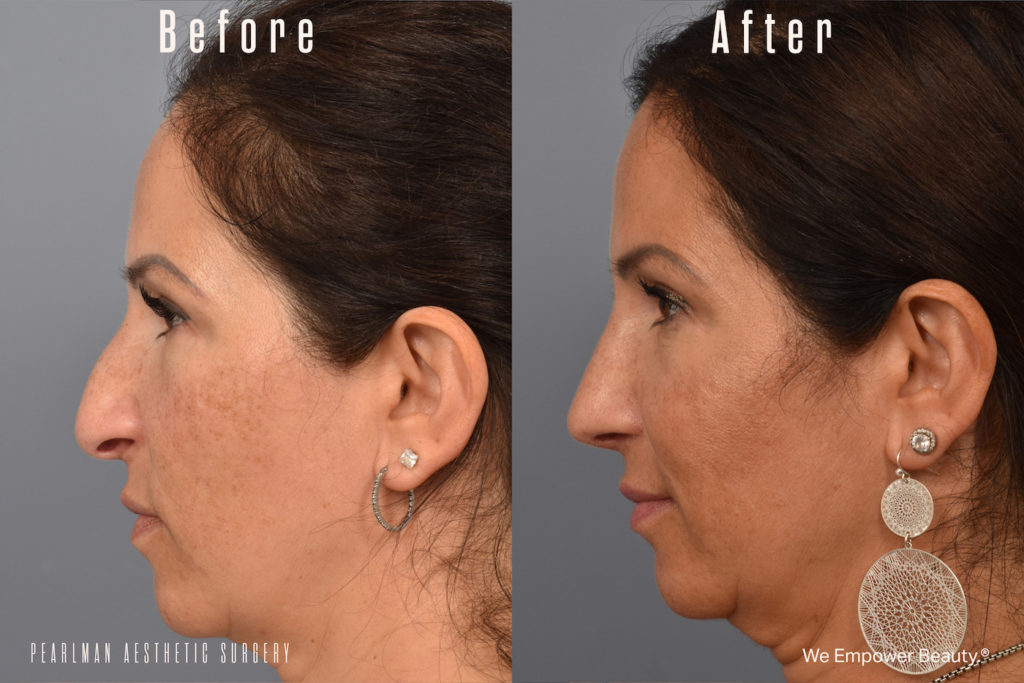
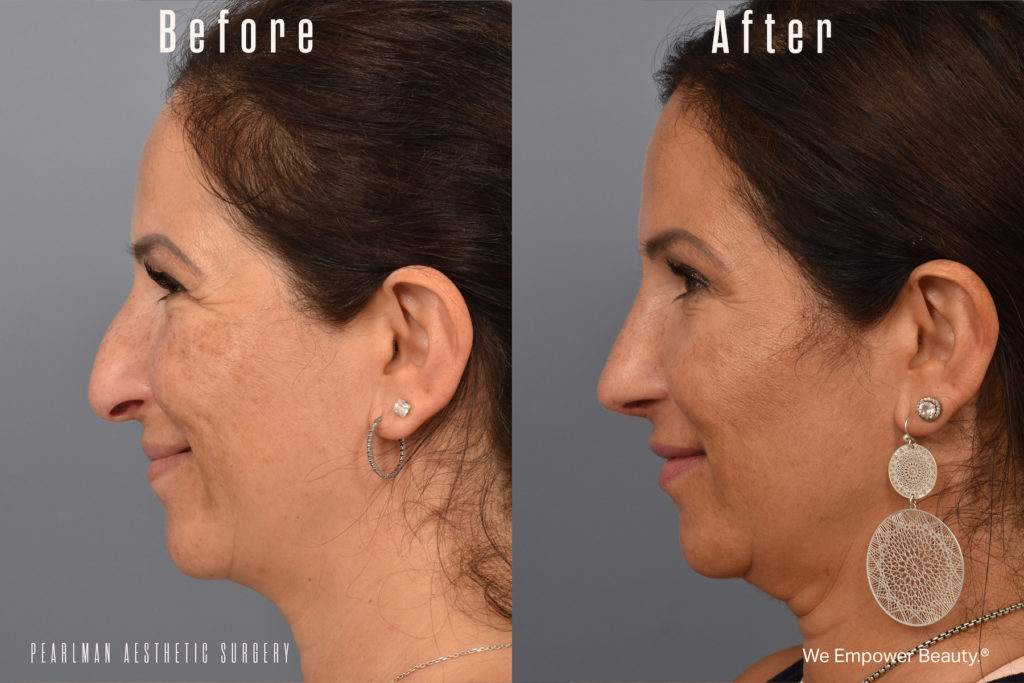
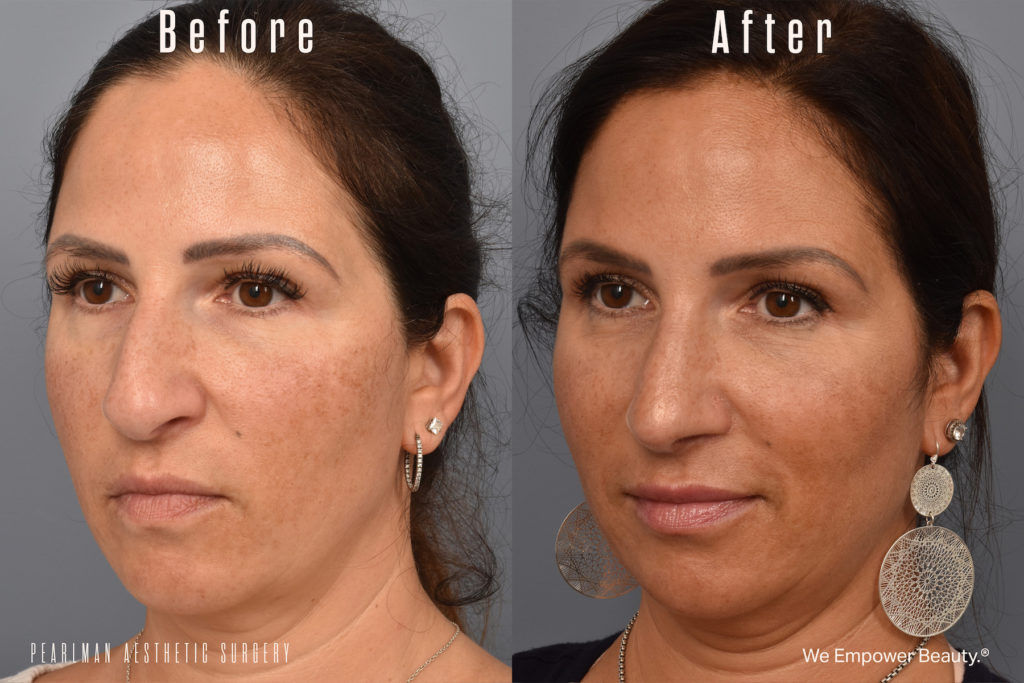
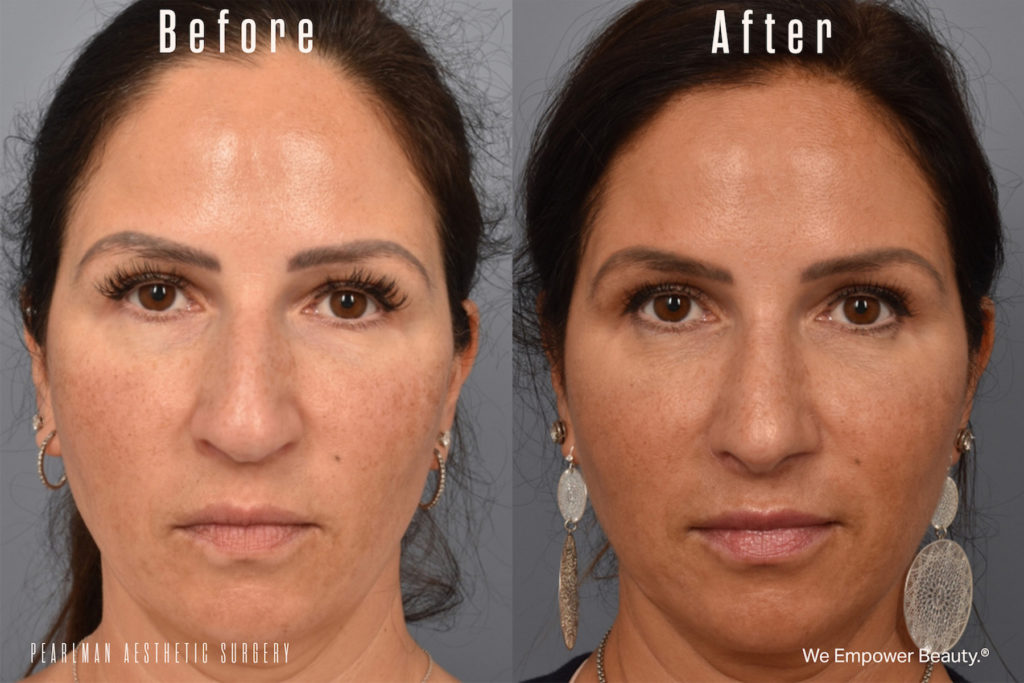
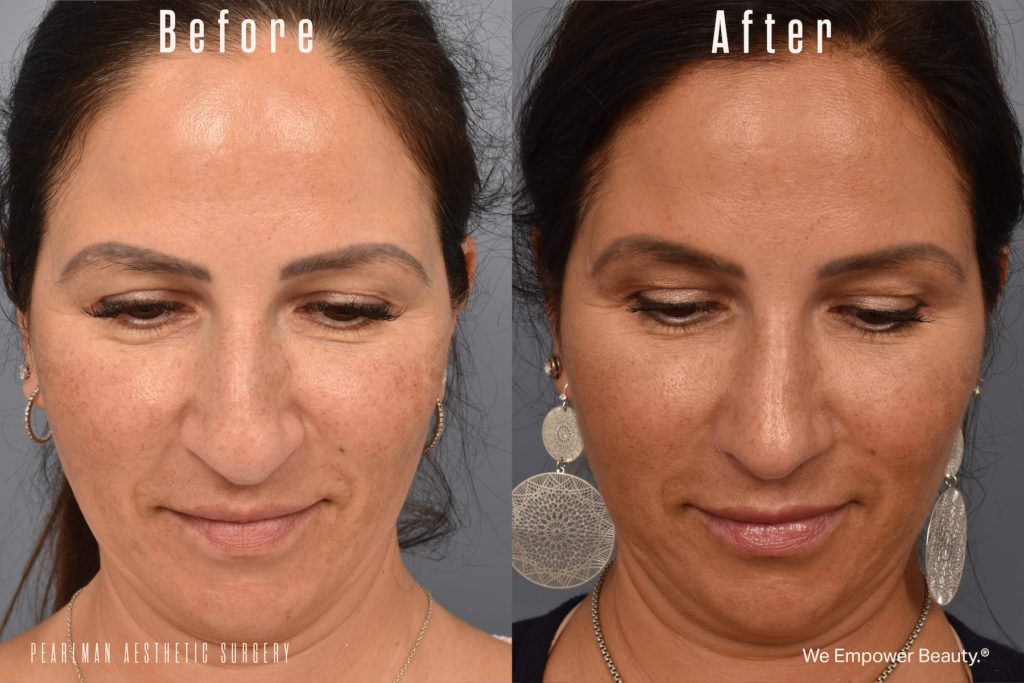
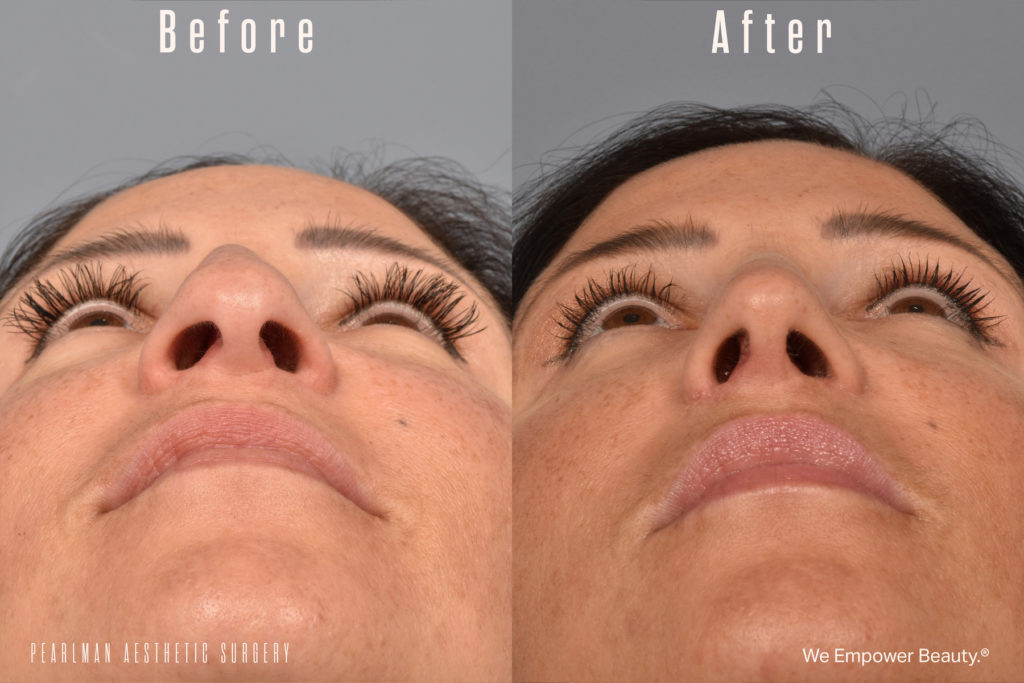
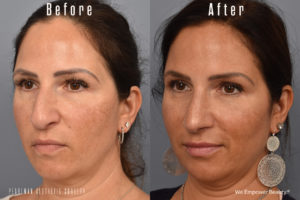
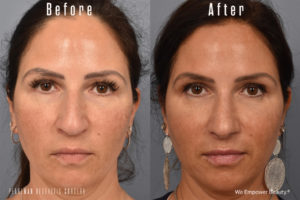
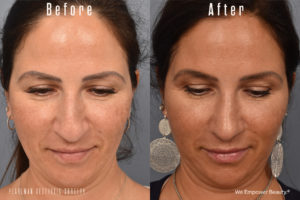
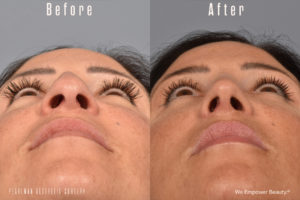
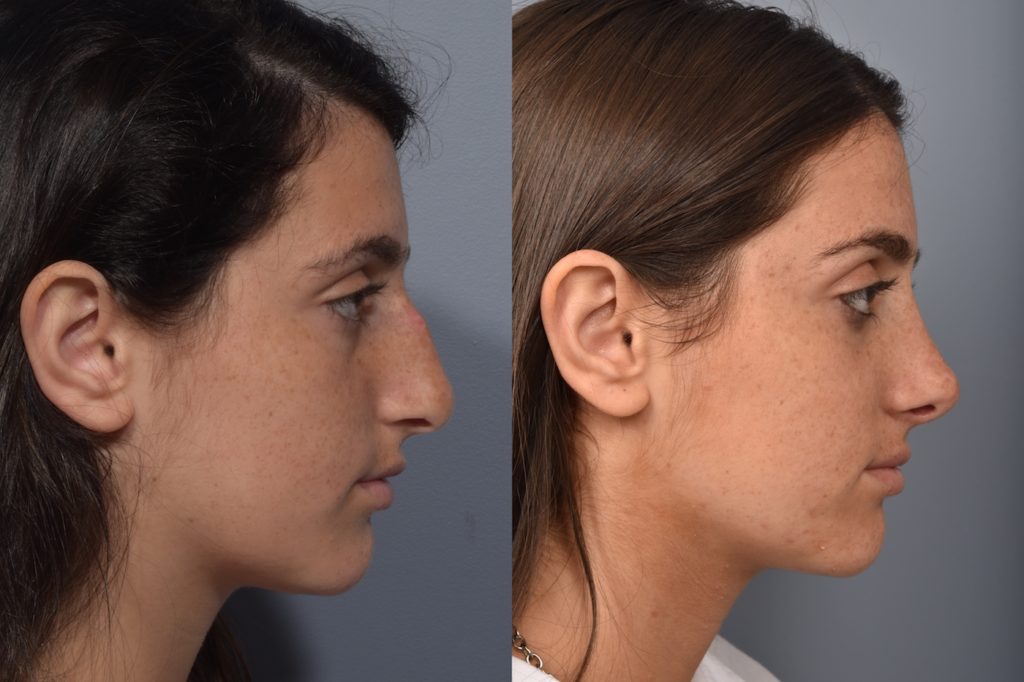
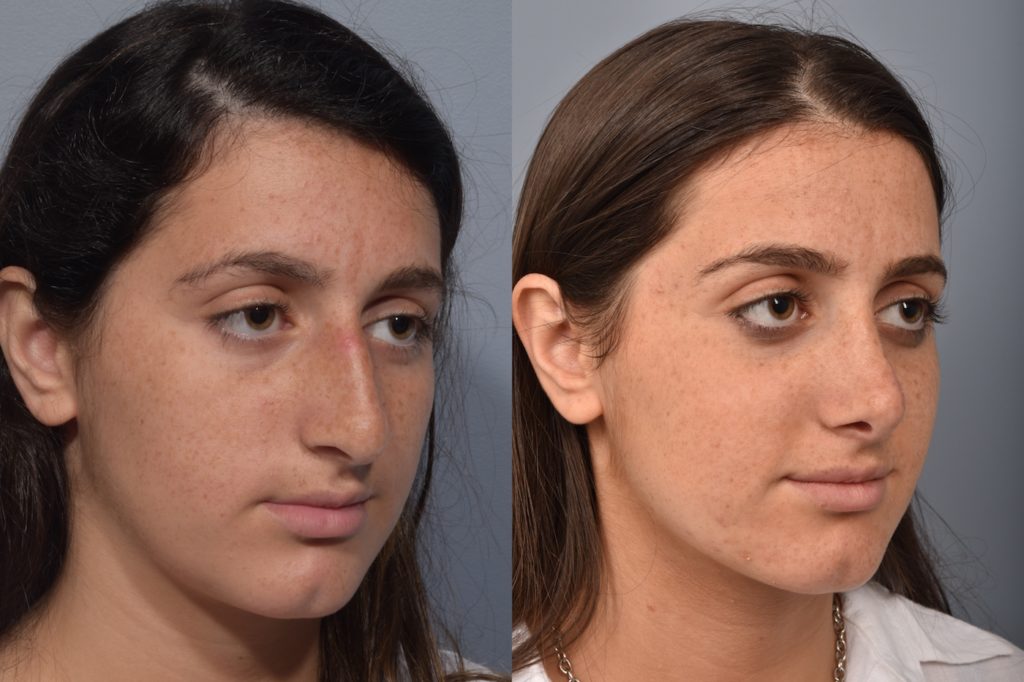
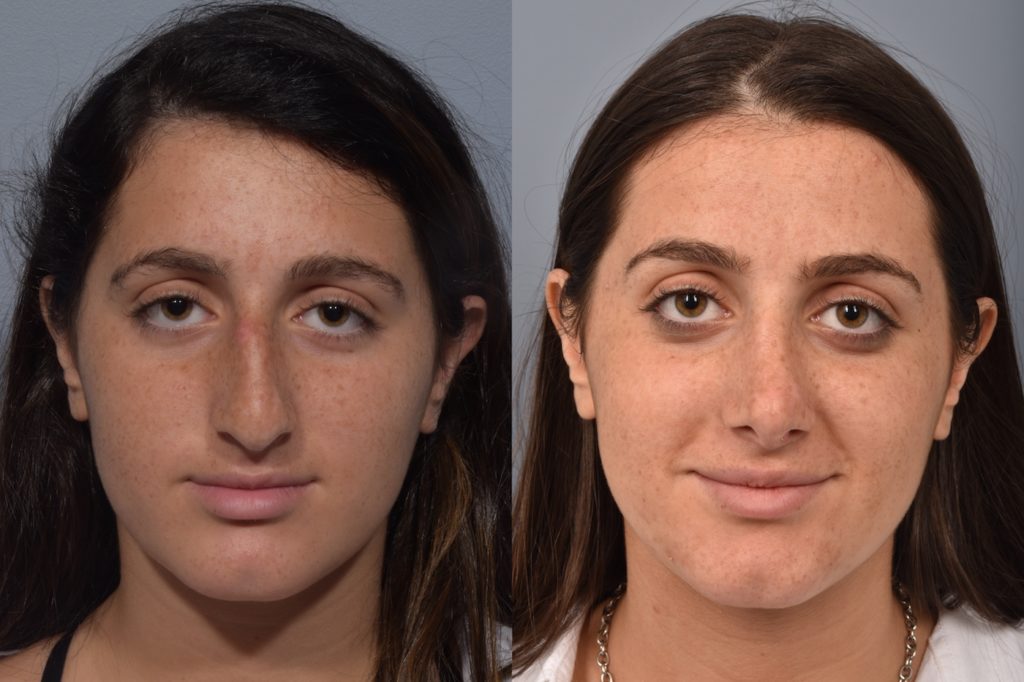
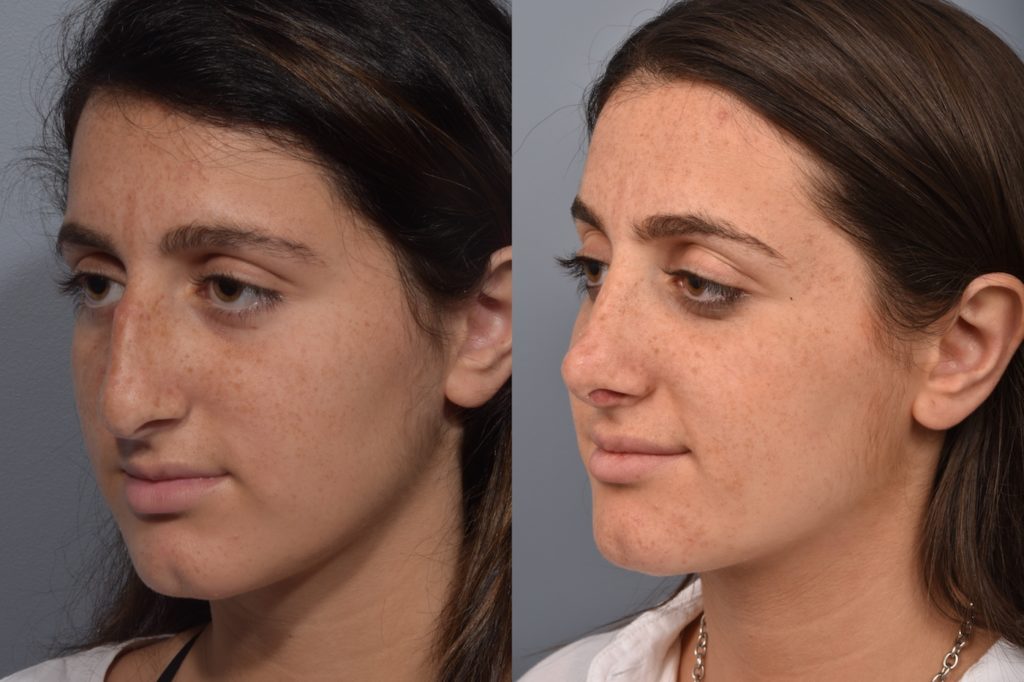
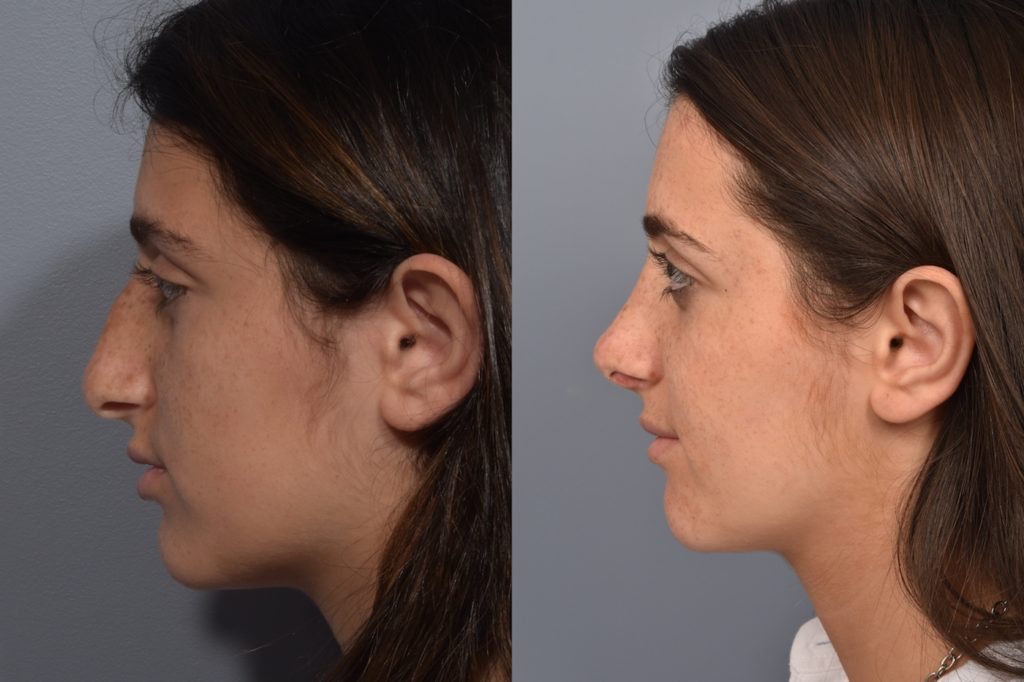
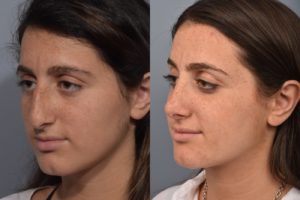
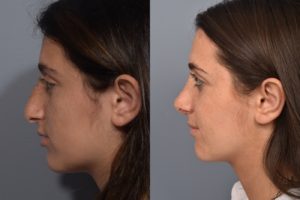
Enhance your natural beauty.
Rhinoplasty is one of the most popular yet complex cosmetic surgeries. Nose surgery demands unparalleled expertise. It’s a procedure best done once, and perfectly.
Rhinoplasty is also the specialty procedure of double board-certified facial plastic surgeon, Dr. Steven Pearlman, who performs rhinoplasty in NYC at his private practice. Dr. Pearlman is a humble, true-grit expert who has devoted the majority of his practice to rhinoplasty and revision rhinoplasty, for over 30 years.
750,000 men and women elect to undergo rhinoplasty every year. Many of the best-looking and longest-lasting results, whether for an out-of-town patient or native New Yorker, come from Pearlman Aesthetic Surgery in Manhattan.
Types of
Rhinoplasty
Dr. Pearlman's Expertise
Over 37 years of experience
More than 12,000 rhinoplasty procedures performed
Clinical Professor at Columbia University College of Physicians and Surgeons
Past President of the American Academy of Facial Plastic and Reconstructive Surgery
Dual board certified by the American Board of Facial and Plastic and Reconstructive Surgery and the American Board of Otolaryngology-Head and Neck Surgery
Fellowship trained from a highly sought-after fellowship with AAFPRS – a year-long study with a Master Surgeon, focusing solely on facial and reconstructive surgery
Founding President of the New York Facial Plastic Surgery Society
Chosen as a Top Doctor over 10 times by New York Magazine and Castle Connolly, and has won the Patients’ Choice Award over 10 times
Protecting Form and Function: Septorhinoplasty
When our nose is causing breathing problems or it feels out of proportion to our face, our quality of life is diminished. At Pearlman Aesthetic Surgery, Dr. Pearlman is committed to making sure you look and feel your best. Septorhinoplasty is a procedure that combines a septoplasty with a rhinoplasty surgery to address both the form and function of your nose.
Because a septorhinoplasty is a medical procedure, typical candidates are experiencing breathing issues typically caused by a deviated septum. Some patients are born with a deviated septum, but it can also be caused by injury.
Symptoms of a Deviated Septum
- Obstruction in one or both nostrils
- Frequent nosebleeds
- Facial pain
- Snoring
- Sinusitis
If a patient is only looking to correct functional issues, the procedure is known as a septoplasty. A rhinoplasty corrects cosmetic concerts like size or shape. When these are combined, it’s known as a septorhinoplasty.
Featured In





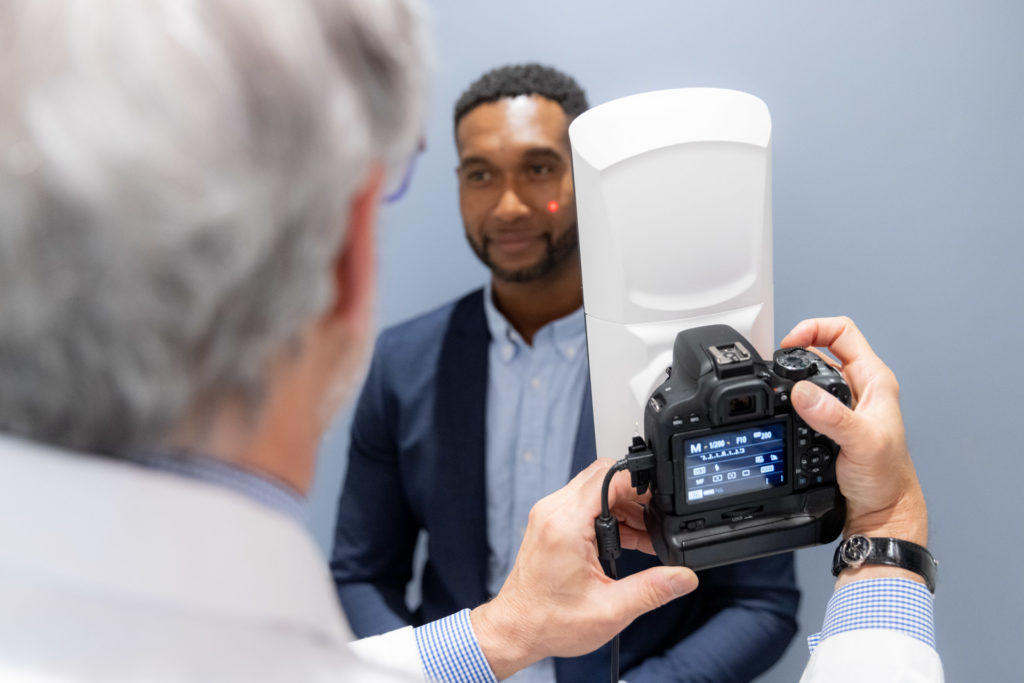
A Personal Consultation With Dr. Pearlman
How it Works
Establish Your Goals
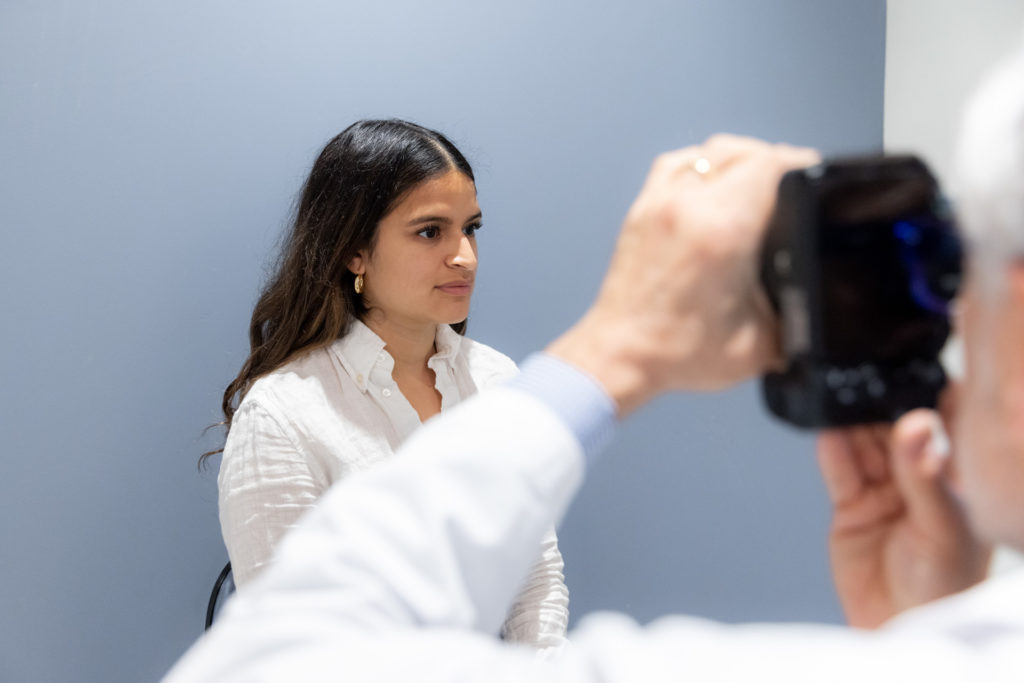
Full Nose Examination & Imaging
Determine Mutual Goals
Ask Questions
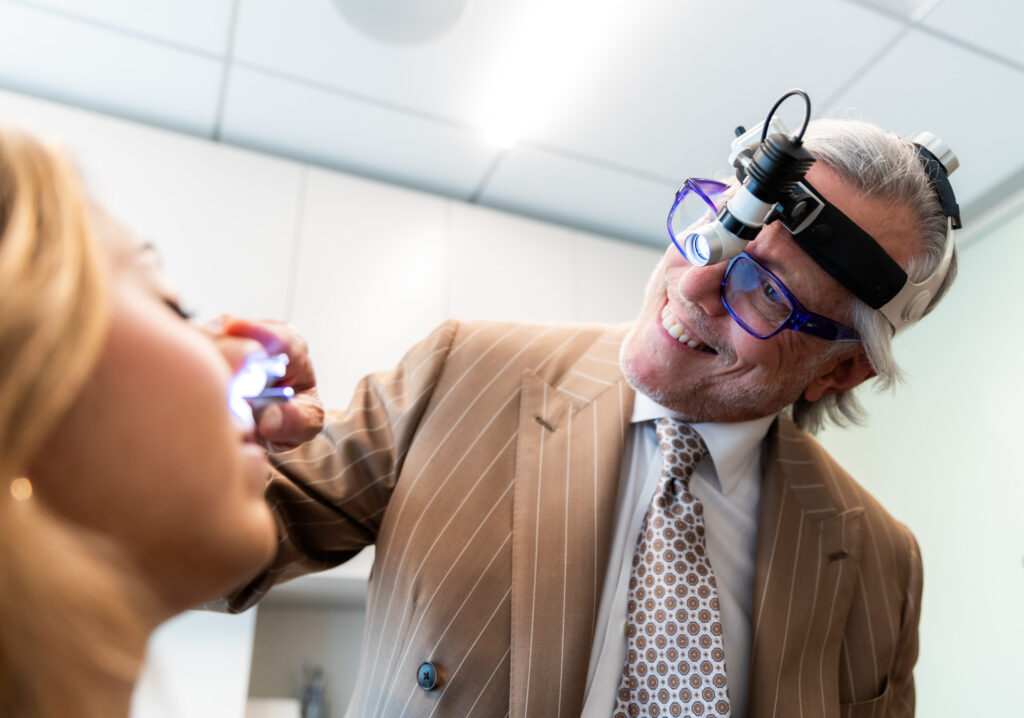
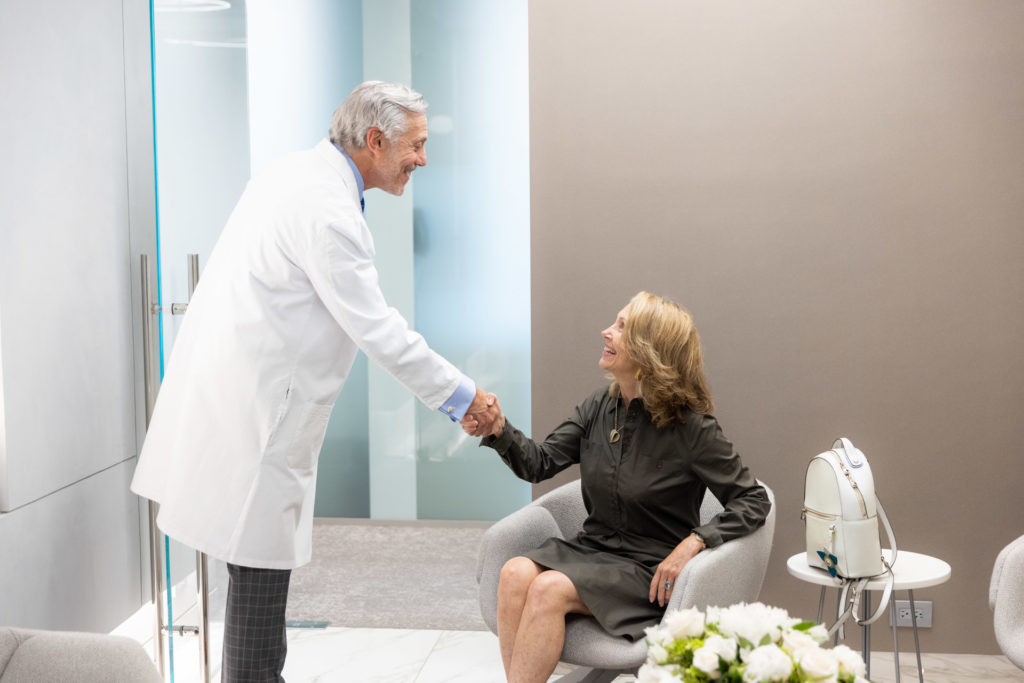
The consultation process at Pearlman Aesthetics Surgery is paramount in establishing your goals and coming to a mutual understanding of the expectations of surgery, on both your end and Dr. Pearlman’s.
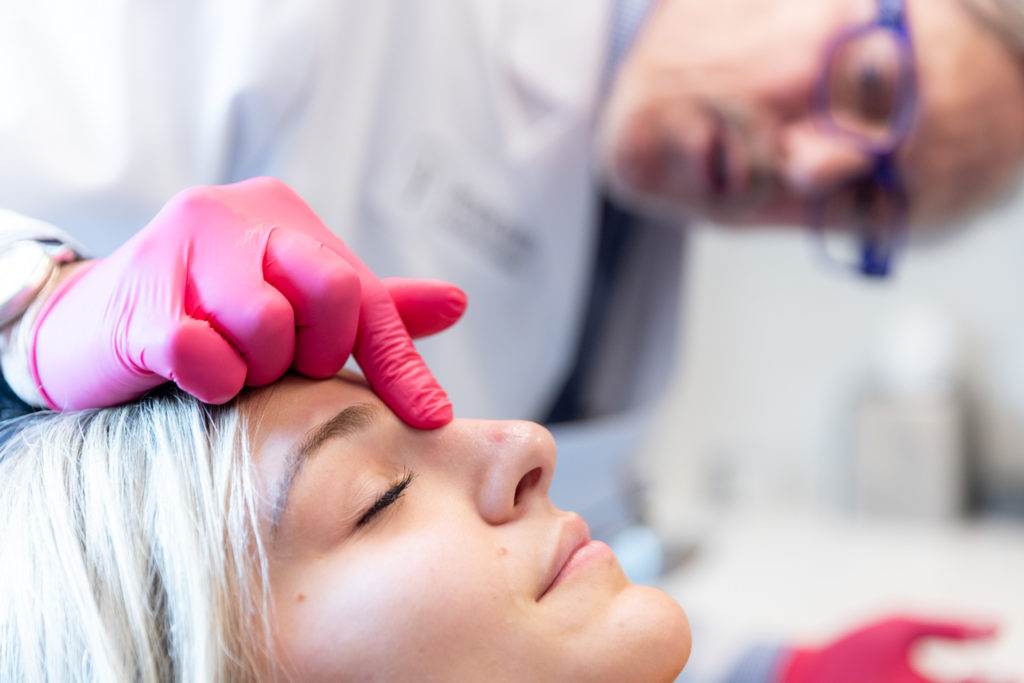
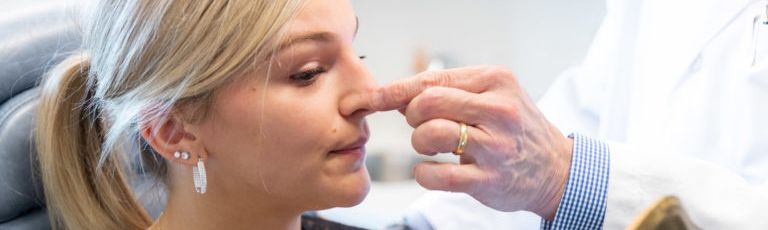
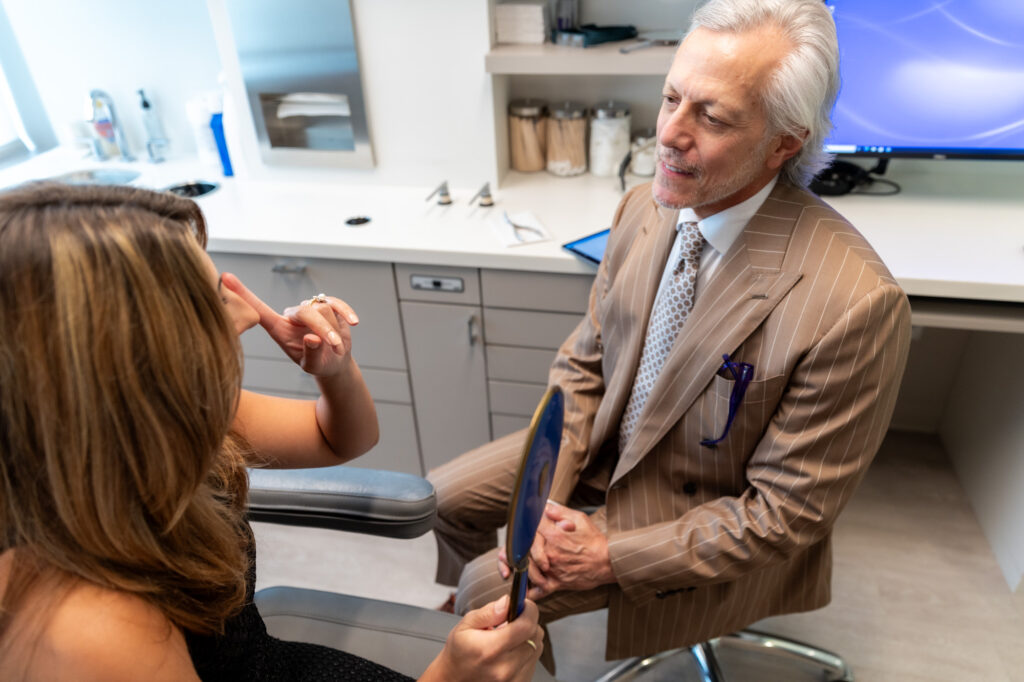
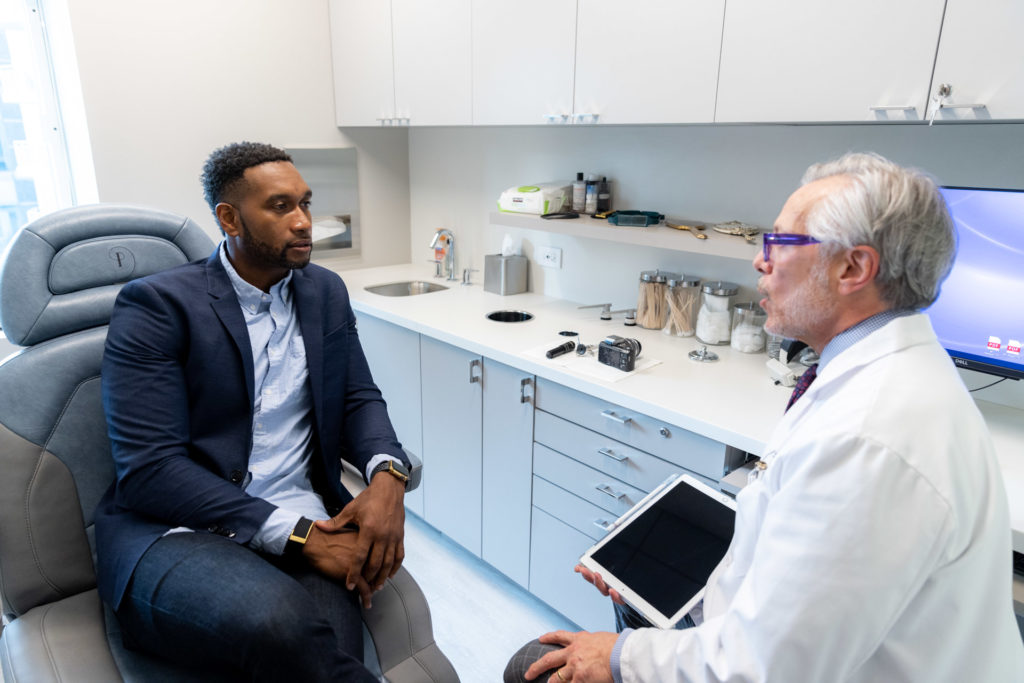
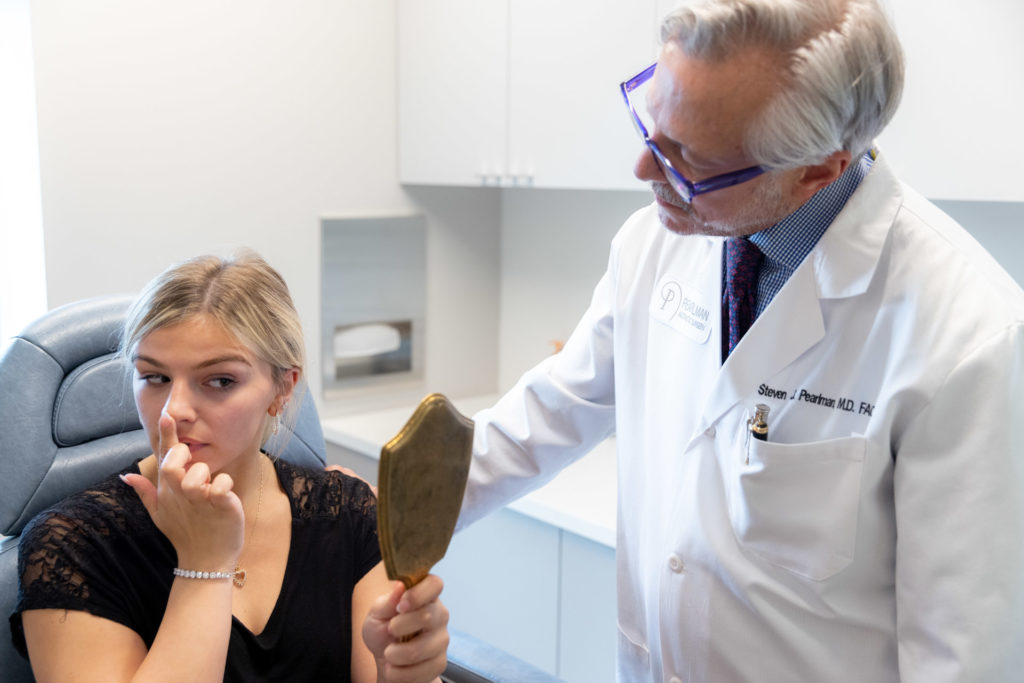
Dr. Pearlman will begin your consultation listening to your concerns about your nose, specific issues you are looking to resolve, and your desired results. He may ask questions like, “What are you specifically looking to change about your nose?” and use your answer as a starting point for his surgical recommendations.
Dr. Pearlman always takes care to thoroughly explain the different areas of the nose and how he would go about implementing the changes you’d like to see. For example, if your concern is that your nose is flat, Dr. Pearlman will show you how building up the structure on top of the bridge is the best way to go about correcting that issue.
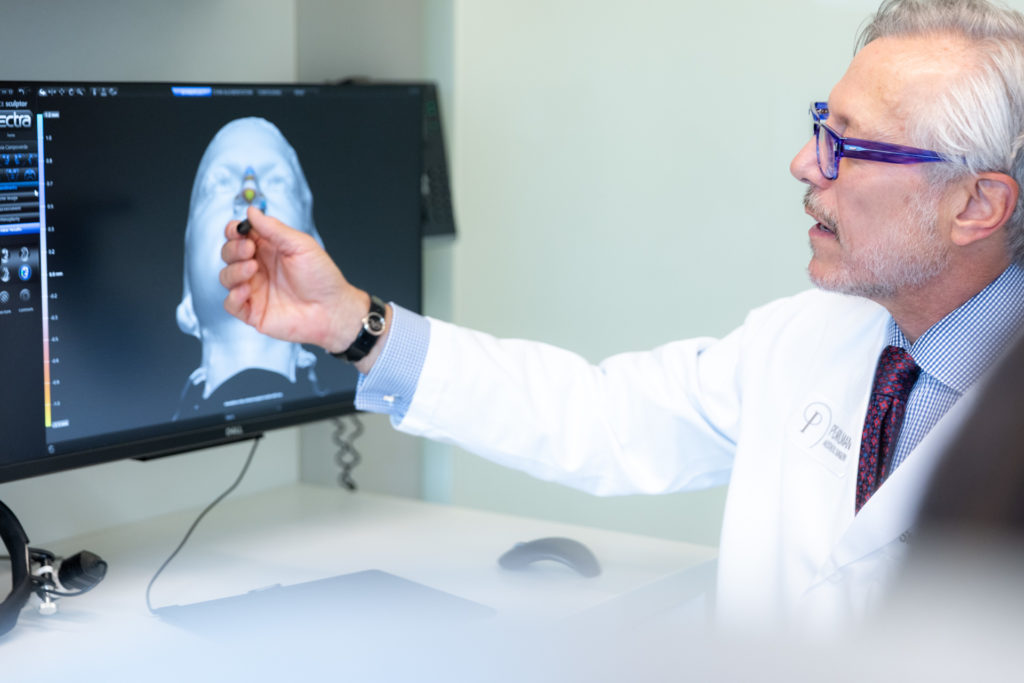
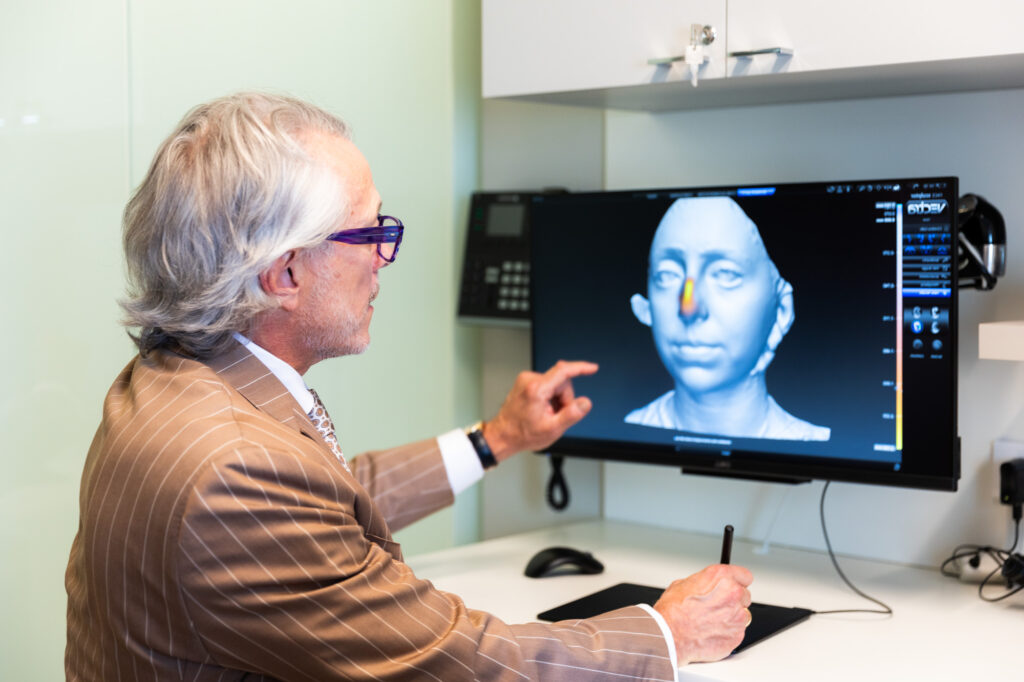
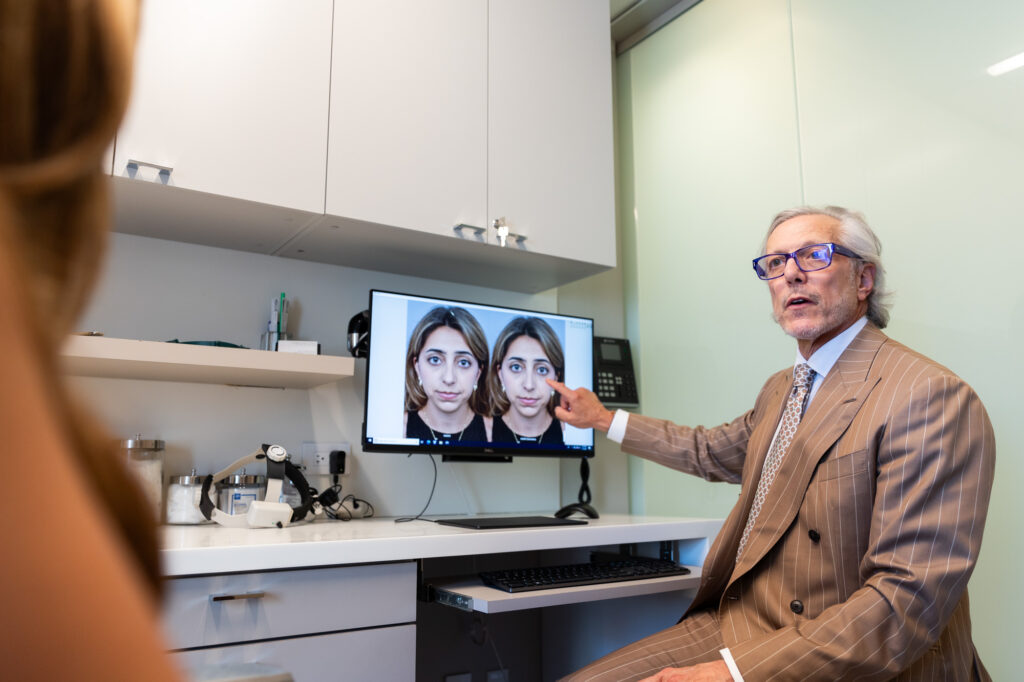
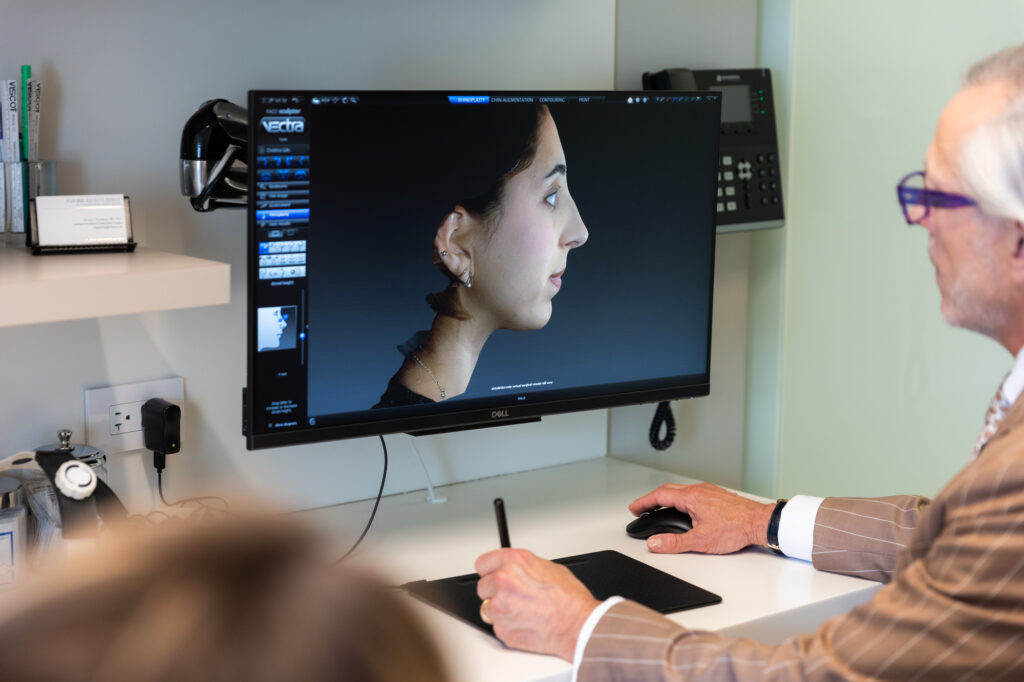
Alternatively, if your nose has a bump that you’d like to correct, he may suggest shaving down a portion of the bridge to make the nose appear flatter and sloped. He can show you the potential results of these surgical techniques with both advanced Mirror® 2D and Vectra 3D imaging!
The goal is to help you establish a technical understanding of the recommendations Dr. Pearlman makes, so that your shared goals are clear and expectations are established.
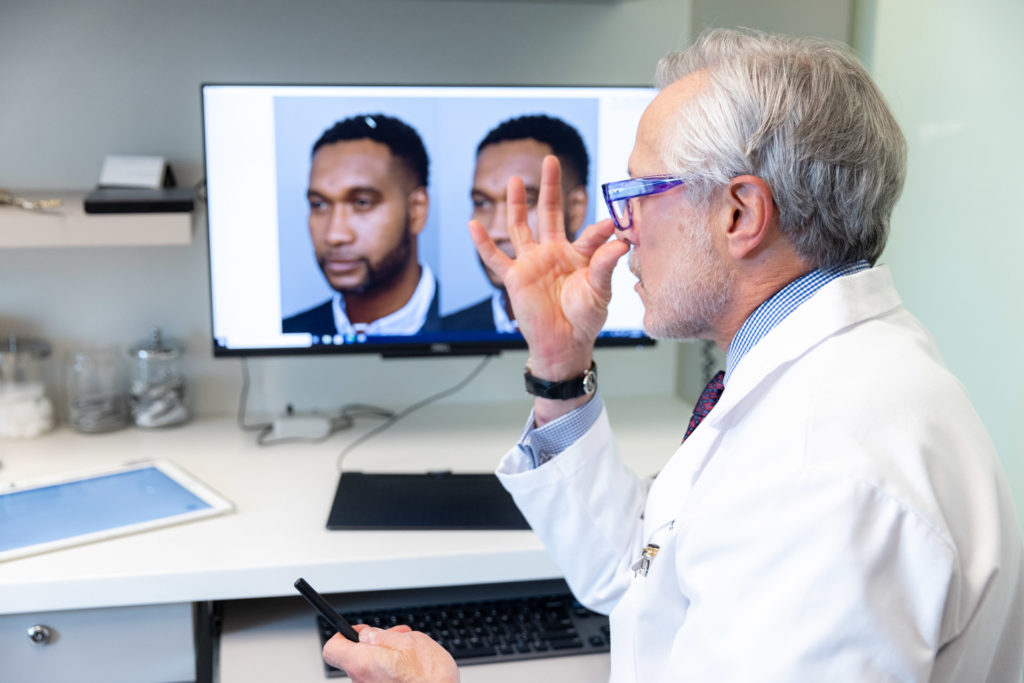
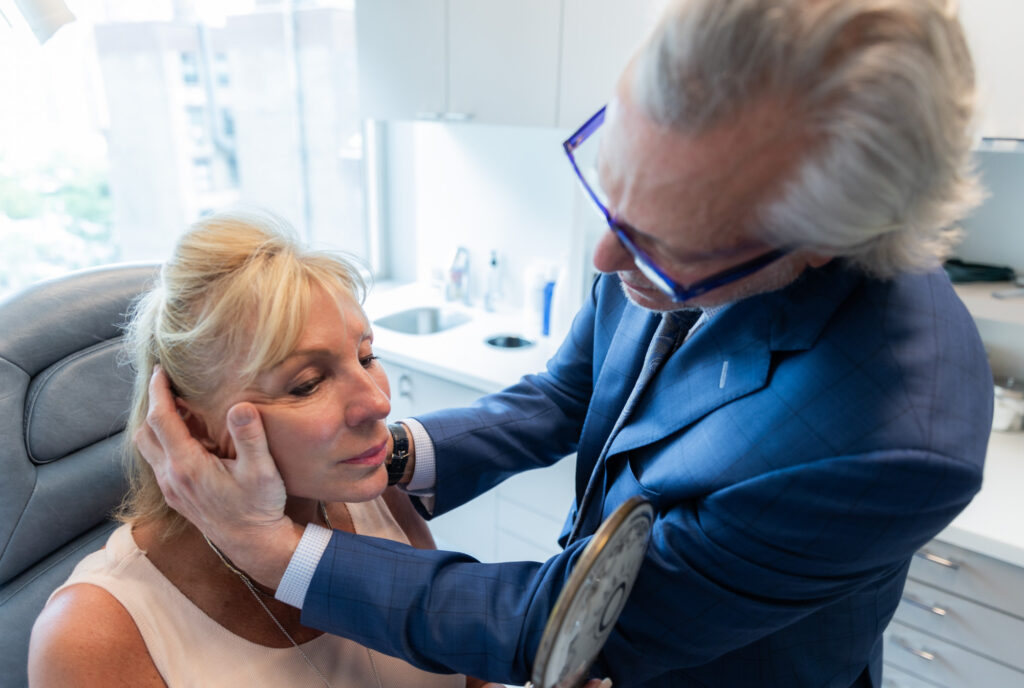
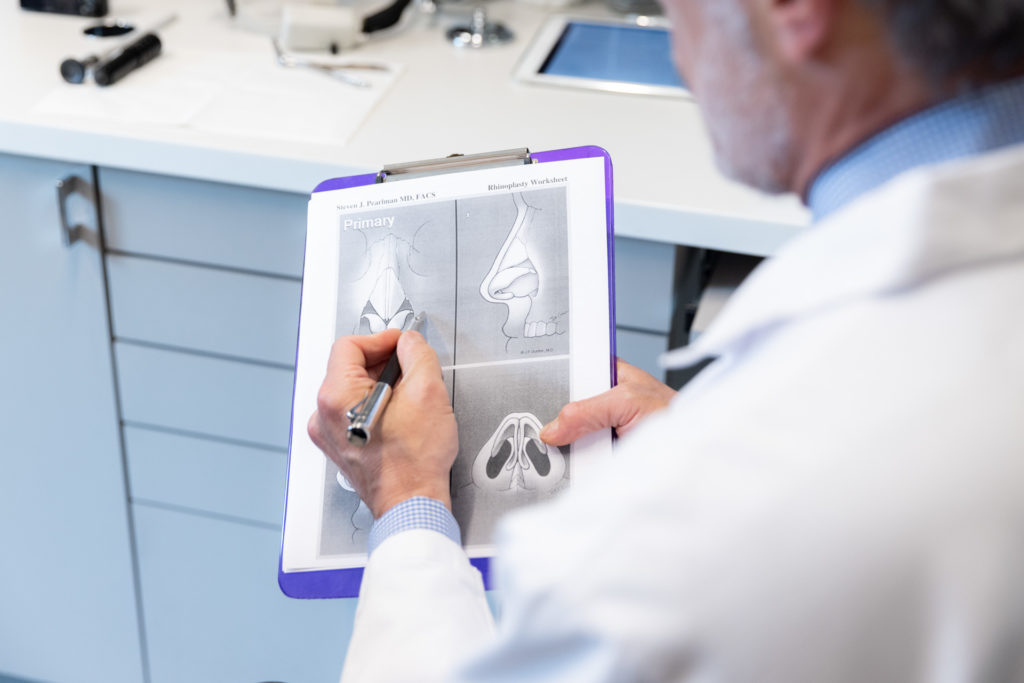
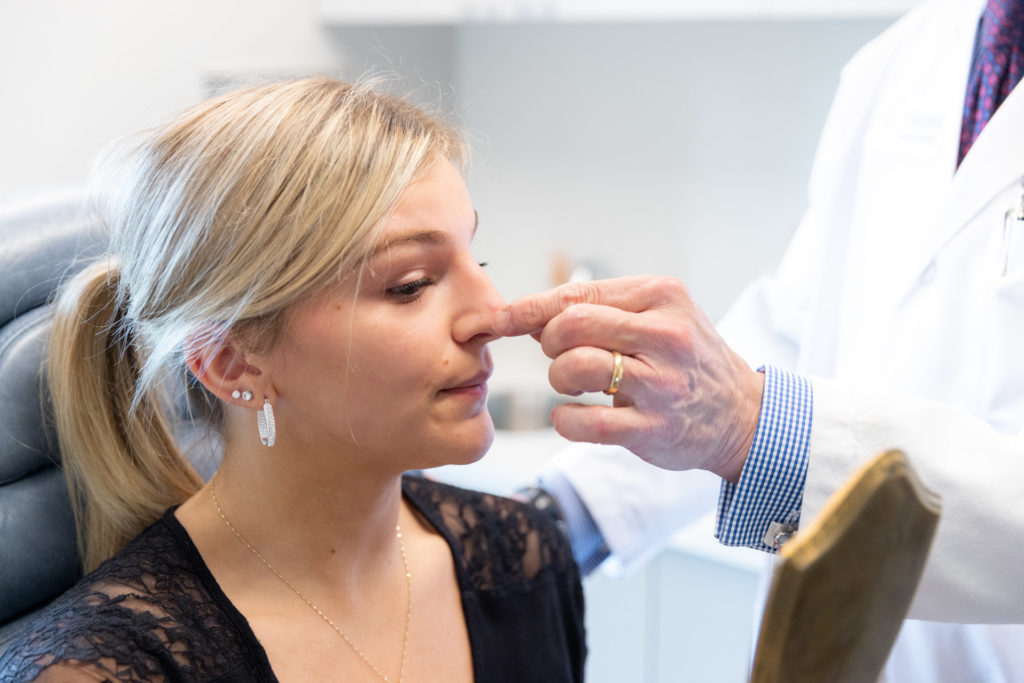
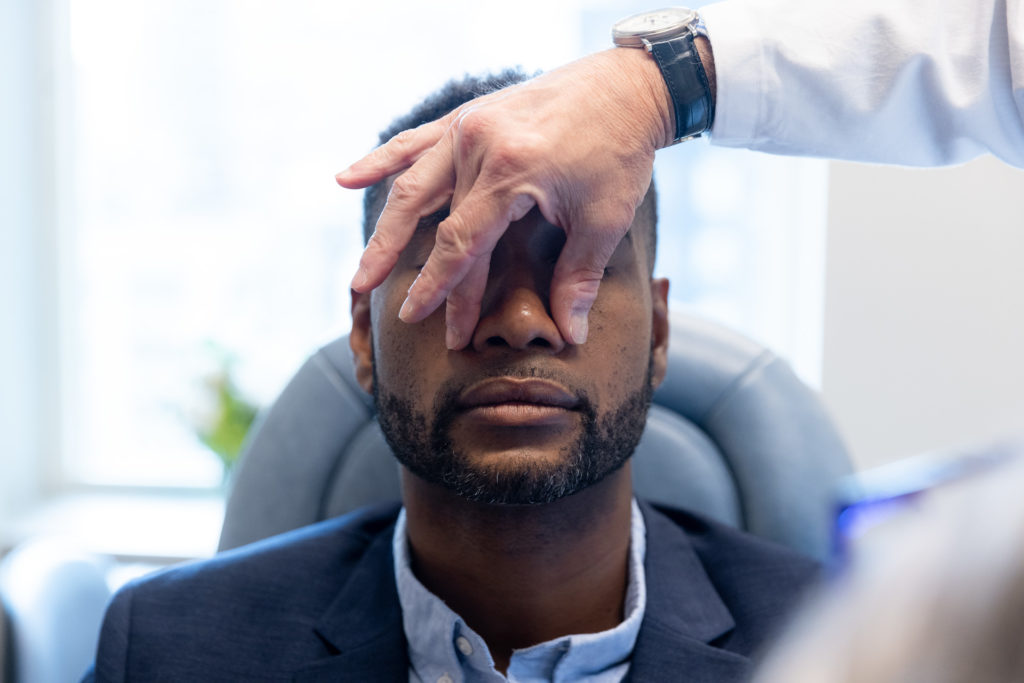
Based upon your unique nasal anatomy, intricacies of the nose, and your own goals, he will then perform a full examination of your nose inside and out. Using advanced Mirror® 2D and Vectra® 3D imaging, Dr. Pearlman will demonstrate the potential changes to your nose to help you envision your future results.
The use of this technology is vital to understanding not only the potential changes and improvements to the nose itself, but also promotes a dialogue between patient and doctor to visualize your new nose and how it appears with the rest of your facial features.
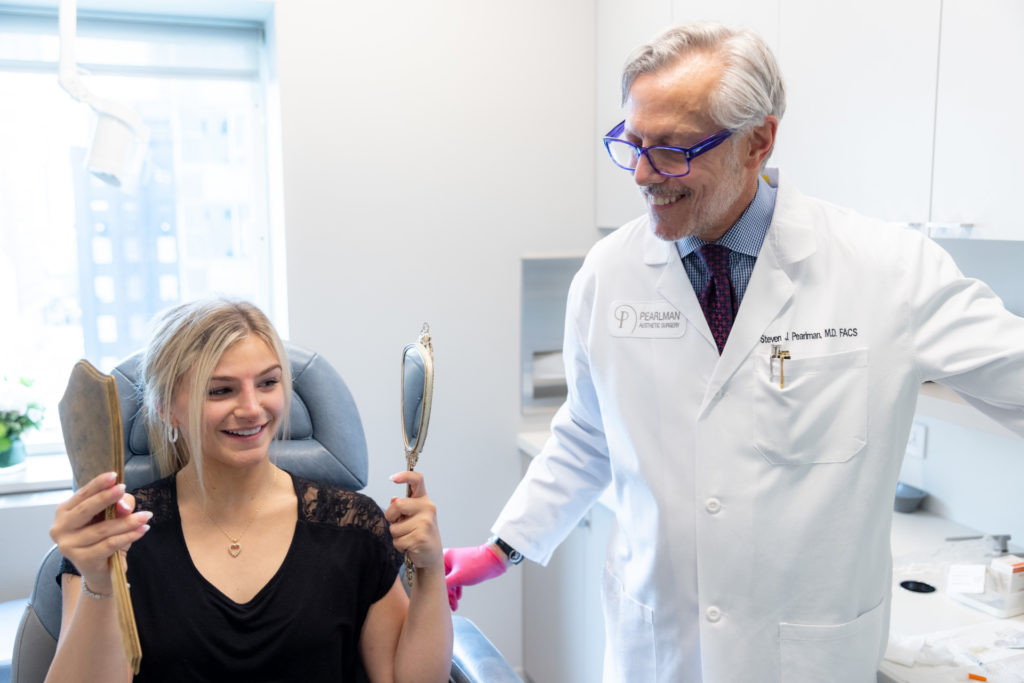
Part of what makes Dr. Pearlman the best rhinoplasty surgeon in NYC is the use of 2-D and Vectra 3D imaging for primary rhinoplasty. This technology opens a dialogue between the two of you. You’re able to actually see the desired outcome of the rhinoplasty and have a conversation about the expected results. Dr. Pearlman will always listen to your concerns and make changes as both you and he see appropriate.
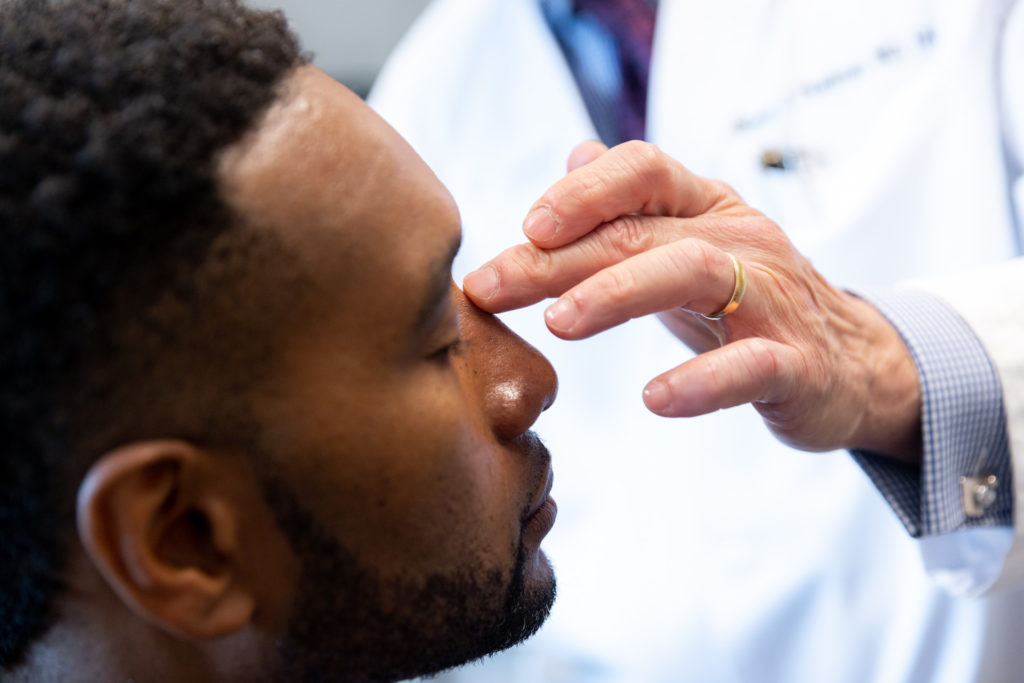
Lastly, you and Dr. Pearlman will establish mutual goals to enhance the appearance and/or breathing function of your nose.
You’ll come to this agreed upon rhinoplasty goal through a series of steps that incorporate both your own desired results and Dr. Pearlman’s expert recommendations. This consultative approach is incredibly important, as it confirms you two have a shared vision for the results of your rhinoplasty.
Dr. Pearlman will be incredibly thorough in making sure he has addressed every aspect of your nose. He’ll make certain that you understand the achievable goals based on his recommendations, and that he understands your desired results based on the imaging!
The right rhinoplasty surgeon for you should be able to provide a wealth of information regarding your procedure. Throughout your rhinoplasty consultation at our NYC office, we highly encourage you to ask any and every question on your mind.
We will walk you through every step of the process so you can feel confident in your decision to receive a rhinoplasty by Dr. Steven Pearlman.
Some examples of questions you can ask at your rhinoplasty consultation include:
- What makes you most qualified to perform my rhinoplasty?
- How many years of experience do you have in the field?
- Can I see your before and after gallery?
- Would you be willing to expand on the process of some of these before and after photos?
- What happens if my expectations aren’t met?
- Do you plan on using an open or a closed rhinoplasty technique for my surgery?
- Do you expect any scarring to be visible after the incisions heal?
- What is the expected recovery timeline?
- How do you ensure my results look natural?
Rhinoplasty Recovery
Dr. Pearlman and his staff will closely guide you through your post operative care. They will provide detailed instructions on all aspects of the process to help guide your recovery.
What To Expect
We provide a rhinoplasty recovery tool kit following your procedure that includes post-operative instructions, your pain medication prescription, gauze, drip pads, and nasal rinse. We also provide a shopping list of what you should buy at home in preparation for your recovery.
Most patients will see 85% of their results at 1 month out, 95% of results at 6 months out and 99% at 1 year. The incision heals so that it is barely visible, if at all and only when viewed up close and from below the nose. Dr. Pearlman often says “someone will have to be close enough to be able to count your nasal hairs to see this incision.”
Rhinoplasty Recovery
Recovery Timeline
Days 1 through 7
Day 8 through week 3
Months 2 through 3
Months 4 through 12
Days 1 through 3
For the first few days we recommend relaxing as much as possible. Take this time to apply ice to your eyes. After 48 hours you can catch up on a new show or some reading and just relax.
You are able to fill the post-operative prescription for pain medication before surgery so you are prepared, but a majority of our patients tell us that Tylenol plus Ibuprofen (Advil) together works just fine to control the discomfort. It’s important to follow the instructions provided by Dr. Pearlman regarding dosage and timing to remain comfortable without risking overmedication. Additionally, elevate your head while resting and sleeping to help the swelling dissipate more quickly and promote a smoother overall recovery. However, since Dr. Pearlman stopped using packing in most patients, less than half find they need anything more than Tylenol for post op pain.
During this period, patients may notice some mild bruising or swelling around the eyes and nose, which is completely normal and is a sign that their bodies are beginning the healing process. Apply cold compresses intermittently and avoid strenuous activity to help minimize these effects. While it may be tempting to check in on your post-rhinoplasty in NYC nose, do not touch or handle it in any way during the initial stages of recovery. The tissues need time to settle and heal after the procedure, and manipulating the nose could interfere with the process.
If working from home is a possibility, patients usually feel well enough to do so after day 3. You just may want to keep the zoom camera off, as the cast will still be on and swelling may persist. Many patients find that moving around their home, light reading, or quiet hobbies are ideal during those first few days. This period is also a good opportunity to prepare for the upcoming stages of recovery by organizing soft foods, setting up a comfortable resting area, and ensuring you have easy access to water, entertainment, and any necessary medications. Taking these small steps easily can make the first week after surgery more manageable, and set the tone for a smoother, more comfortable overall recovery.
Days 4 through 7
Continue to work from home during this time. Swelling and very slight bruising may persist, but will begin to go down significantly towards day 7. During days 4 through 7, patients will notice a marked improvement in overall comfort compared with the initial days after surgery. Most of the tightness, tenderness, and bruising around the eyes and nasal bridge begin to subside. While the nose and surrounding tissues are still delicate, gentle daily activities can be resumed, including light walking or running quick errands if necessary. Continue to avoid strenuous activities, heavy lifting, or any actions that could potentially apply pressure on the face, as these can compromise the healing process or increase swelling.
If needed, continue to use cold compresses intermittently, especially in the morning, to help reduce any remaining swelling and discomfort. At this stage, maintaining a healthy routine is essential for emotional healing. Proper hydration, a balanced diet, and sufficient rest will all contribute to a reduction of inflammation and support internal tissue repair. Patients are encouraged to continue sleeping with their head elevated and to avoid bending over or making sudden movements that could impact the nose.
Patients may still notice some slight bruising under the eyes, which typically fades by the end of this healing stage, typically around days 8 to 12. The gradual reduction of swelling during these days can be particularly encouraging, as it allows patients to visualize their progress and begin seeing the subtle yet meaningful changes of their rhinoplasty in NYC.
During this time, we always recommend that our patients monitor for any unusual symptoms. This can include increased pain, persistent bleeding, or signs of infection. If you notice any of these or have other concerns after surgery, report the symptoms promptly to Dr. Pearlman’s office. Never hesitate to contact Pearlman Aesthetic Surgery for guidance or reassurance during this transitional recovery phase.
By the end of this stage, many patients feel confident enough to begin planning their return to work or social activities. While some surgical techniques require the cast to stay in place and minor swelling remains, the improvement from the initial few days post-operation is significant. This period will lay the future foundation for continued healing, with the nose gradually refining over the following weeks and months. By adhering to the recommended care instructions, you can expect to enjoy a smoother, more comfortable recovery and begin appreciating the early results of your procedure.
Day 8
Your first visit to our office will be scheduled for one week post-op, when we remove the cast and any external sutures used (in open rhinoplasty and alarplasty). This visit is an important milestone in the recovery process, as it allows Dr. Pearlman to assess how the healing process is going,, and make any adjustments to your care plan following your rhinoplasty in NYC.
In addition, the nose is cleaned and carefully suctioned internally, which helps to maintain clear airways and promote optimal healing. This internal cleaning also lets Dr. Pearlman evaluate the surgical site and confirm that the nasal structures are settling as expected. Maintaining these early follow-up visits is crucial to supporting both the functional and aesthetic outcomes of your rhinoplasty. Subsequent visits are at 2 and 6 months, and one year post-op for photographs.
By this time, day 8, nearly all of any swelling or bruising will be gone. There may be a small amount of yellowing underneath the eyes, but this is easily covered with cosmetics. Most patients come to the day 8 appointment and go straight to work at the office after having the cast removed. Many patients are surprised at how natural their nose looks once the cast is removed, and it’s common to feel more comfortable returning to work or resuming light daily activities following this appointment.
During this stage of the recovery process, it is still important to avoid strenuous activities, heavy lifting, or contact sports. You should continue to sleep with your head elevated to further reduce any lingering swelling. Gentle walking around the house is encouraged to promote circulation, but we advise our patients to refrain from bending over or applying any sort of pressure to the face. This period represents the transition from the very early recovery phase to the stage where patients can begin enjoying the initial results of their procedure while paying careful attention to healing.
Week 3
You can resume a workout routine at this time, although we adamantly request that you avoid any sports that could result in a nose injury, such as tennis, racquetball, or basketball. By the third week, patients typically notice an initial yet significant reduction in swelling and bruising, with the majority of visible discoloration around the eyes completely resolved. The nose itself will begin to settle into a more defined and natural shape, allowing you to begin appreciating the results of your rhinoplasty in NYC more clearly.
However, it is crucial to continue avoiding any strenuous activities for three weeks. For 6 weeks you should avoid any activites that could lead to trauma to the nose. Even minor contact or accidental bumps can disrupt the healing tissues, potentially compromising aesthetic results or causing internal damage. Contact sports, high-impact workouts, or exercise that requires bending forward or lifting heavy weights should still be postponed. You should work to gradually increase your physical activity through your healing process as you feel comfortable, and pay close attention to how your body responds to each exercise session.
Week 3 also marks a transition towards more normal daily routines. By this time most patients return to in-office work if they have been working from home, begin attending casual social events, or traveling short distances from home. While some very mild swelling may remain, it is typically minor and barely noticeable to others. Any subtle tenderness in the nasal tip or bridge should be nearly gone at this point as well.
At this point, following a light grooming and skincare routine is encouraged, while taking care to avoid applying any pressure to the nose. Sun protection is particularly important, as the healing tissues can be more sensitive to UV exposure. Applying sunscreen daily and wearing a wide-brimmed hat outdoors can help protect the nose from pigmentation changes or irritation.
Finally, continue to follow all care instructions provided by Dr. Pearlman and his team, including any guidance on cleansing, moisturizing, or using ointments. Regular follow-up appointments, as scheduled, remain essential to ensuring the nose continues to heal correctly, maintains proper structural support, and achieves the refined, balanced appearance that rhinoplasty in NYC is designed to deliver. By this point, you should be able to enjoy most of your day-to-day activities safely, while continuing the final stages of recovery.
As patients enter their second and third months post-rhinoplasty in NYC, swelling should be nearly nonexistent, and will see the refined contours of their sculpted nose emerge more clearly. The first 6 to 8 weeks represent a transitional period where the initial results become more clearly apparent, yet subtle changes will continue to manifest as the nasal tissues settle. During this time, patients can resume nearly all aspects of their personal routine, including more moderate exercise, normal social activities, and professional engagement—while still following the specific precautions provided by Dr. Pearlman.
Although the nose will appear closer to its final shape at this time, it is important to remember that there could be some minor swelling that persists, especially in the nasal tip or in areas with thicker skin. This residual swelling is natural and will continue to resolve over the coming months. The structural refinement achieved through rhinoplasty ensures that these changes occur in a harmonious manner, maintaining the functional integrity of the nose while enhancing the aesthetic balance. Patients often report increased satisfaction at this stage as they are able to better appreciate a more authentic version of their facial profile.
Physical activity can be approached with increased confidence during months 2 and 3. Cycling, running, weight training, yoga, and swimming are generally safe at three weeks post-op. However, contact sports or activities that carry an increased risk of trauma to the nose should still be avoided. Protecting the nose from even minor impact is essential to ensuring the precision and elegance of rhinoplasty’s surgical outcome.
Commonly, patients begin to notice subtle improvements in nasal function, particularly if structural adjustments were made to enhance breathing. The gradual settling of internal tissues and cartilage can improve airflow and overall nasal comfort. Patients who previously experienced minor congestion or sensitivity during the healing process find that these issues have typically resolved by this time.
We always encourage patients to continue attending any scheduled follow-up appointments with Dr. Pearlman, as these visits provide us with the opportunity to assess healing, review long-term goals, and address any questions and concerns you may have about your rhinoplasty in NYC. Proper care during this period, including sun protection, gentle skincare, and adherence to any post-operative care instructions, supports the continued refinement of the nose and ensures that the results look natural and complement your surrounding facial features.
By the end of the third month, surgical swelling should mostly resolve, and the nose should settle close toits new shape. This stage represents the beginning of the final phase of recovery, when patients can fully enjoy the aesthetic and functional benefits of their rhinoplasty while looking forward to the continued subtle improvements over the remaining months. Most patients will see up to 98% of the final result by one year. The last part to come down is the nasal tip.
As patients move into the final stages of recovery, the healing process transitions from noticeable recovery to subtle, fine refinement. While the earlier stages are marked by visible changes and careful adjustments to daily routines, this period will be defined by the gradual maturing of nasal tissue and the final settling of the nasal structure. Most swelling—especially in the upper two-thirds of the nose—has resolved by month 4, allowing for the overall shape of the nose to appear more defined and harmonious.
During this phase, the nose begins to express the full results of the procedure. The delicate nuances of contour, symmetry, and projections become increasingly apparent, reflecting the precision of Dr. Pearlman’s advanced surgical techniques. At this point, patients will have noticed that their nose looks more refined, and the internal healing process completes, and the skin sits more naturally over the newly sculpted framework. The interplay between the structure of the nose and the soft tissue becomes more balanced, leading to results that look and feel organic rather than surgically altered.
By months 4 to 6, patients should have very little continued congestion. Breathing often becomes more effortless, particularly for those who underwent functional correction in addition to aesthetic refinement. Following a rhinoplasty in NYC, sensations like numbness, tingling, or stiffness should be resolved by this time, restoring normalcy and comfort.
At the 12-month mark, most patients have reached what is considered the final stage of rhinoplasty recovery. This is a meaningful milestone, as it signifies that the tissues have fully healed, the cartilage has stabilized in its new position, and the last traces of any lingering swelling have dissipated. The nose will take its definitive form, revealing the complete results of the surgical revision. The finest details of the procedure (tip refinement, dorsal contour, nostril shape, and profile transitions) can be appreciated clearly and completely.
Ultimately, months 4 through 12 represent the culmination of the rhinoplasty journey: a period where subtle evolution gives way to final, longer-lasting results. With patience, consistent follow-up, and proper care, patients can enjoy a nose that looks balanced, feels natural, and seamlessly integrates with their overall facial harmony.
Why Dr. Pearlman’s Rhinoplasty Recovery Is Superior
You’re going to have a vastly different recovery experience at Pearlman Aesthetic Surgery than anywhere else in the city because of Dr. Pearlman’s skill and expertise. He operates with such precision and meticulous care that there is very little trauma caused to the soft tissue around the eyes. This results in an incredibly small amount of bruising, and a much quicker recovery period than other practices. Everyone heals differently, but many of our patients do say that their swelling is less than expected. This is just another reason why Dr. Pearlman is the best rhinoplasty surgeon in NYC.
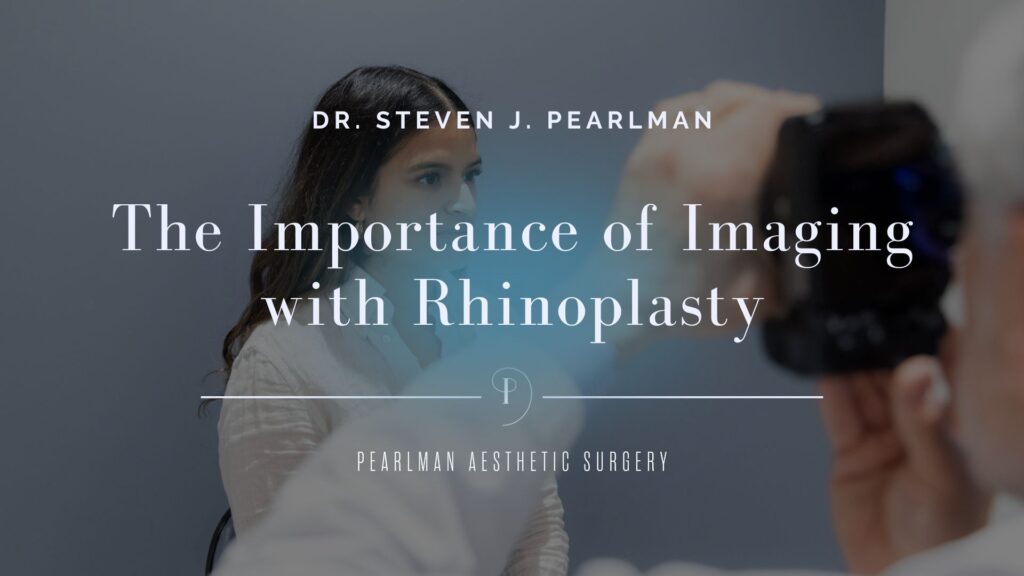
The Importance of 3D Imaging in Rhinoplasty Consultations
Septoplasty
Septoplasty is a corrective nasal surgery that addresses a deviated septum. Fixing a deviated septum does not alter the appearance of your nose externally, like cosmetic rhinoplasty, although the procedures can be combined.
Piezo Ultrasonic Rhinoplasty
With the Piezo ultrasonic system, Dr. Pearlman can precisely sculpt and polish the nasal bones while preserving the surrounding soft tissue, ultimately resulting in a less invasive nose job. The device used for an ultrasonic rhinoplasty generates vibrations at extremely high frequencies that can cut and shave bone with extreme precision yet not affect the surrounding soft tissue.
Revision Rhinoplasty
Over half the rhinoplasties Dr. Pearlman performs are revision surgeries from other practices. Revision rhinoplasty is a delicate surgery that corrects the results from a previous nasal surgery to the extent that it’s possible.
Ethnic Rhinoplasty
Noses vary immensely from ethnicity to ethnicity, in every aspect. This makes understanding the cultural significance and background of a person just as important as understanding the underlying anatomy. Dr. Pearlman’s ethnic rhinoplasty procedure aims to maintain the ethnic and cultural aesthetic of your nose while enhancing the overall facial balance and beauty. He strives to improve the way your nose looks without altering your ethnic identity.
Preservation Rhinoplasty
Nasal hump reduction is the most common patient request for rhinoplasty. Preservation rhinoplasty is specifically designed to reduce the nasal hump while preserving the nasal dorsum bone and cartilage for a smooth transition from hump to straight profile.
Teenage Rhinoplasty
The emotional and psychological results of rhinoplasty in teens often outweigh the physical changes made. By surgically altering the nasal structure to ensure optimal facial balance, proportionality, and symmetry, a teenage rhinoplasty can empower young patients to sail through these turbulent years without feeling self-conscious about their nose.
Non-Surgical Rhinoplasty
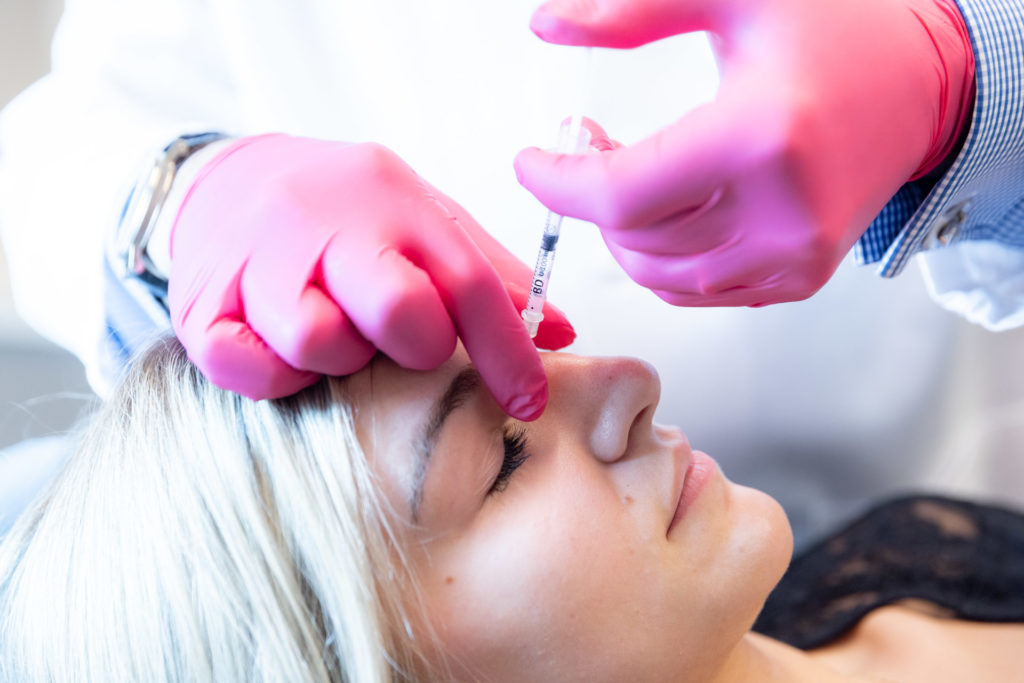
While a surgical rhinoplasty can achieve long-term improvement as well as correction of blocked airways, not everyone is ready for this approach. Nonsurgical rhinoplasty uses a variety of dermal fillers to camouflage cosmetic concerns with the nose.
The Best Results From the Top Rhinoplasty Surgeon in NYC
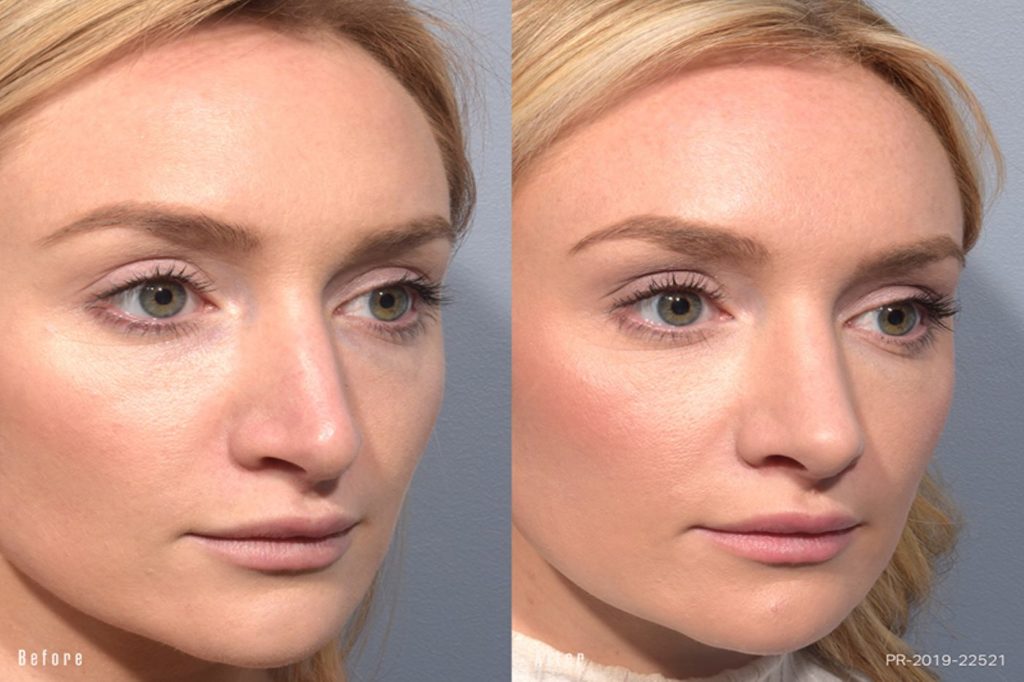
The best compliment we get following rhinoplasty is when patients are told they “look great” but their friends and acquaintances cannot tell why. We always strive to achieve the most natural-looking results possible. Our goal is to address your concerns without ever losing sight of who you are, your heritage, and your identity. We don’t want you to look like a completely different person, or “plastic” after your rhinoplasty. Using a combination of high-level skill and state-of-the-art surgical technology, we create a subtly elevated and naturally gorgeous version of yourself!
“Rhinoplasty will improve the appearance and function of your nose so it naturally complements your face. The best noses are the ones that aren’t obvious; that respect your ethnic identity. Surgery is tailored to each patient’s needs and desires, creating a more harmonious appearance.”
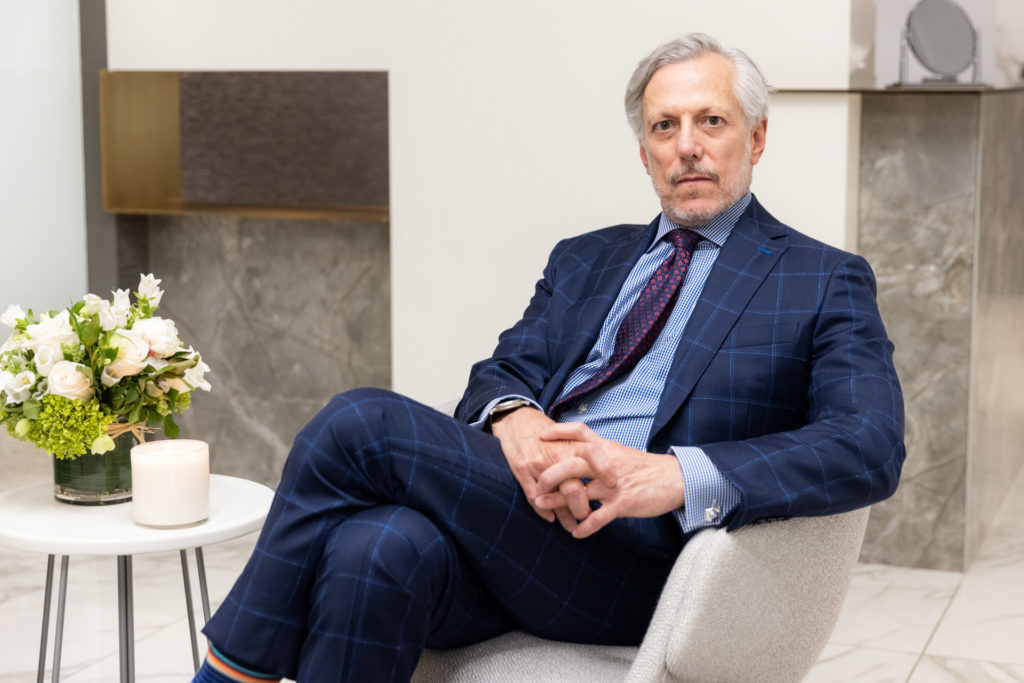
Top Rated Facial Plastic Surgeon
Dr. Pearlman
Frequently Asked Questions
Rhinoplasty
Rhinoplasty Recovery
Rhinoplasty Financing
Do you take patients from out of town?
Yes, we have many patients from all over the US as well as international patients! We have Concierge Services devoted to providing more information to assist our patients that travel to us. We are happy to share recommendations on transportation, hotels, and more.
How do I know if I need a closed rhinoplasty?
Dr. Pearlman uses the closed rhinoplasty technique when anatomically appropriate. Closed rhinoplasty is sometimes called Endonasal Rhinoplasty or Scarless Rhinoplasty.
Determining whether you are a candidate for closed rhinoplasty depends on several structural, aesthetic, and functional considerations that are best evaluated during your consultation. Closed rhinoplasty is most beneficial for patients whose goals can be achieved through internal incisions alone, such as those who do not require significant tip reshaping, major structural grafting, or extensive revision of the nasal framework. Because all incisions are placed inside the nostrils, a closed rhinoplasty in NYC sometimes allows for a quicker recovery with slightly less postoperative swelling, making it a perfect option for those seeking slight, subtle refinement with minimal disruption.
During your consultation, Dr. Pearlman will assess the architecture of your nasal tip, bridge, and overall internal support structures to determine whether closed rhinoplasty techniques can be utilized to achieve your unique goals. Patients with strong underlying cartilage support and those who are looking for more conservative enhancements are often good candidates for closed rhinoplasty.
Not every nose can be fully corrected through a closed approach. If a procedure requires extensive visualization—like precise tip sculpting, advanced grafting, treatment of a severely crooked/asymmetric nose, or complex revision work, —an open rhinoplasty may offer the greater control and precision needed. Dr. Pearlman will explain the benefits of each technique as it applies to your specific anatomy, ensuring that the chosen method maximizes both aesthetic balance and functional improvements. This additional incision is only 3 to 4 mm in length and not visible within a few months. For most patients, someone would need to be looking up your nose with a magnifying glass to even see the incision.
Ultimately, the best way to know whether you need a closed rhinoplasty in NYC is through a personalized evaluation.
If you’d like to learn more about whether you’ll need an open or a closed rhinoplasty, take a look at our blog discussing it! → Open Vs. Closed Rhinoplasty
How do I know if I need a septoplasty?
During your rhinoplasty consultation in our Manhattan office on Park Avenue, Dr. Pearlman will examine the inside of your nose to check for a deviated septum, a narrow internal valve, and/or inflammation or swelling of the turbinates. These are all conditions that can compromise nasal breathing. This examination will reveal whether septoplasty or other functional procedures are necessary to improve nasal breathing.
Beyond the physical examination, several symptoms and functional concerns may indicate that a septoplasty could be beneficial. Many patients who experience chronic nasal congestion that does not respond to allergy medication or decongestants—congestion that often switches from one side of the nose to the other but is usually worse on one side —may benefit from a septoplasty. Difficulty breathing through one or both nostrils, especially when exercising or sleeping, can also be a sign of a deviated septum that is obstructing airflow.
During your consultation, Dr. Pearlman will not only assess the internal structure of your nose but also discuss your symptoms, breathing habits, and medical history to determine whether functional correction is appropriate. If you are considering rhinoplasty in NYC primarily for aesthetic reasons, but also experience some mild breathing difficulties, this evaluation becomes especially important. Combining a septoplasty with an aesthetic rhinoplasty allows for both form and function to be corrected in one procedure, providing comprehensive and lasting improvement.
Ultimately, the decision to choose a septoplasty is rooted in a combination of anatomical findings and the symptoms you experience in daily life. Dr. Pearlman’s goal is to ensure that your nose not only looks refined and natural, but also functions effortlessly, helping you breathe clearly, sleep comfortably, and enjoy an enhanced quality of life. If all you want or need is a septoplasty to improve breathing, this can be performed by an intranasal, scarless approach, without any external incisions or external changes to the nose at all.
How do I know if I need an open rhinoplasty?
Open rhinoplasty allows better visualization of distorted nasal anatomy when the nose is very crooked, the nose is significantly over-projected (sticks out very far), or when Dr. Pearlman is performing a complex revision rhinoplasty. In these cases, the open technique allows for more precise correction and easier manipulation of the nasal cartilage and graft placement. The incision is very tiny; in most circumstances, it is undetectable.
If you’d like to learn more about whether you’ll need an open or a closed rhinoplasty, take a look at our blog discussing it! → Open Vs. Closed Rhinoplasty
Is a rhinoplasty covered by my insurance?
If the purpose of your rhinoplasty is to correct breathing issues and a deviated nasal symptom, it is possible your insurance may cover the breathing or functional portion of the procedure! Dr. Pearlman’s dedicated office staff will be more than happy to assist you in discovering whether or not your procedure will be covered. Cosmetic rhinoplasty is not covered by insurance, but we do offer several financing options for you to choose from.
Is it ever too late in life for a rhinoplasty?
No, it is never too late for a rhinoplasty. Many of our patients decide later in life that they are ready for a rhinoplasty. As long as you are in good general health and have realistic expectations, you can undergo a rhinoplasty at any age.
Choosing rhinoplasty in NYC later in life is far more common than most people realize. Patients often reach a point where they feel more confident in their personal style, more established in their careers, or simply more prepared to focus on themselves, making it an ideal time to pursue a change they have long thought about. For some, age brings a shift in facial proportions or subtle changes in nasal structure due to cartilage weakening, previous injuries, or natural aging. Rhinoplasty can thoughtfully restore balance and harmony, creating a refreshed and natural appearance without looking “overdone.” Rhinoplasty can also address aging changes of the nose: drooping and widening of the tip, and a more visible hump.
It’s also important to note that recovery considerations are typically similar across age groups. Healthy, active adults in their 40, 50s, 60s, and even 70s can still heal exceptionally well post-operation. The procedure can be performed to address functional concerns like breathing difficulties, purely aesthetic goals, or both simultaneously for a comprehensive improvement.
Age should not be viewed as a barrier to achieving a nose that feels proportional, natural, and aligned with your self-image. If you are in good health and motivated to enhance either the appearance or function of your nose, rhinoplasty remains a safe and rewarding option at virtually any stage of life.
Is rhinoplasty scarring noticeable?
When Dr. Pearlman performs a closed rhinoplasty, he does not use external incisions. Therefore, all incisions are hidden inside the nose and virtually undetectable.
For open rhinoplasty, the only difference is a tiny incision across the bottom of the nose that usually heals so well it is undetectable.
Many patients are understandably concerned about scarring, especially when considering surgery in a central area of the face. Fortunately, rhinoplasty is known for being one of the least visibly scarring procedures in aesthetic surgery—especially when performed by a surgeon with Dr. Pearlman’s level of precision and experience. The placement of incisions, the technique used, and the post-healing process all contribute to exceptionally discreet outcomes.
In closed rhinoplasty, the absence of external incisions means that there is simply no visible scarring from the procedure. This approach is ideal for patients whose goals can be achieved internally, while still providing the refined, natural-looking results they are seeking.
Open rhinoplasty in NYC utilizes a small incision placed along the columella (the tissue between the nostrils) and then is meticulously closed using a delicate suturing technique that’s designed to promote optimal healing. Over time, this incision typically fades, becoming extremely difficult to detect even at close, conversational distances. In most patients, the scar becomes virtually invisible once fully healed.
Dr. Pearlman and his team also provide comprehensive post-operative guidance to support healthy scar maturation. This may include gentle scar care, sun protection strategies, and follow-up evaluations to ensure the incision is healing beautifully. When rhinoplasty is performed with expert techniques and a patient follows their aftercare instructions, scarring is virtually non-existent and rarely a visible part of the final results.
What causes a dorsal hump to form?
What causes a dorsal hump to form?
A dorsal hump is a bump on the bridge of the nose, usually the upper bridge, typically composed of bone and cartilage. It can vary significantly in size and prominence from individual to individual.
Several factors can cause a dorsal hump to form:
- Genetic factors: Many people inherit the shape of their nose, including the presence of this “bump” on the nosefrom their family.
- Trauma or injury: Trauma to the nose, like a fracture, can cause a dorsal hump to develop during healing.
- Medical conditions: Conditions like a deviated septum can contribute to the formation of dorsal humps.
- Nasal tissues and cartilage changes: Some individuals experience dorsal hump growth as their nasal tissues and upper lateral cartilage change naturally over time. It’s not uncommon for a prospective patient to bring in a photo of their nose without any hump as a child.
The exact composition of the hump and why it may have formed affects how Dr. Pearlman treats the hump surgically.
What is a good age to undergo rhinoplasty?
The best age for rhinoplasty candidates begins in late adolescence or early adulthood. However, patients may undergo rhinoplasty earlier in life as long as nasal growth is complete. The procedure is appropriate for teenagers, typically starting at approximately age 15 for girls and 16 for boys. Specific ages depend on the patient’s growth and emotional maturity.
In addition to physical readiness, emotional preparedness is just as important. Teenagers considering rhinoplasty should have a clear understanding of their goals and realistic expectations for the outcome. Open communication between Dr. Pearlman, the patient, and the supporting family members will help ensure that the decision to undergo rhinoplasty in NYC is both thoughtful and properly informed. In teenagers, we often see the change in their outlook and confidence often outweighs the physical changes from rhinoplasty.
Rhinoplasty can be safely performed in adults at any age, provided that the patient is in good overall health. Patients both in earlier and later stages in life alike choose this procedure to address functional concerns, aesthetic goals, or changes in the nasal structure.
It is important for teens to be emotionally mature and prepared for the procedure. Visit our page on teenage rhinoplasty for more information.
What questions should I ask my nose surgeon?
To get the most out of your rhinoplasty consultation, Pearlman Aesthetic Surgery advises you to ask the following questions
- Are you certified by the American Board of Facial Plastic and Reconstructive Surgery?
- Are you certified by the American Board of Otolaryngology?
- Were you trained specifically in the field of facial plastic surgery?
- How many years of training in facial plastic surgery do you have?
- Do you specialize and devote the majority of your practice to nasal surgery?
- Is your surgical facility accredited by a nationally or state recognized accrediting agency?
- Am I a qualified candidate for this procedure?
Patient Experiences
Persistent in the
Pursuit of Perfection
For decades, Dr. Pearlman has been persistent in his search for perfection as the best rhinoplasty surgeon in New York. He brings evolution, experience, expertise, and uniqueness to his rhinoplasty patients in our Park Avenue office. The goal of Pearlman Aesthetic Surgery is to help patients to actualize their ideal self-image for the highest level of personal authenticity and attractiveness possible. Dr. Pearlman couples an attentive bedside manner and genuine concern for his patients’ welfare to deliver the best rhinoplasty results. He both lectures at and attends multiple continuing education courses on Rhinoplasty and Facial Plastic Surgery per year to stay on top of and teach the latest innovations.
Start your rhinoplasty journey today.
Designed by our NYC rhinoplasty specialists, our virtual rhinoplasty tool will help you learn more about the possibilities for your rhinoplasty procedure.
Rhinoplasty Financing
A rhinoplasty by Dr. Pearlman ranges in price from $17K to $26K and can reach upwards of $29,000 in very complex revision rhinoplasty cases.
The average cost of rhinoplasty in NYC typically ranges from $10,000 – $30,000. These prices vary based on a few potential factors, including which type of rhinoplasty and what kind of changes the patient is looking to achieve.
During your initial consultation with Dr. Pearlman, you’ll be able to discuss price factors. At Pearlman Aesthetic Surgery, we do proudly offer several financing options, including Alphaeon, CareCredit, Prosper, and PatientFi. Don’t hesitate to contact our office with any questions. If you’re considering undergoing rhinoplasty in New York City, our financing options can help! Learn more about our options to get started.
Putting It All Together
To complement a rhinoplasty, some patients choose to receive a chin augmentation or liposuction of the neck. Chin augmentation is the procedure most commonly performed alongside a rhinoplasty; approximately 1 in 5 rhinoplasty patients would benefit from a chin implant to create more balance and symmetry to the face.