

Breathing is something most people take for granted until it becomes uncomfortable, noisy, or unreliable. A perforated septum, which occurs when a hole forms in the nasal septum, can quietly disrupt daily life in ways that are both physically and emotionally taxing.
Symptoms such as chronic dryness, crusting, nasal bleeding, congestion, or a whistling sound when breathing may seem minor at first, but over time, they can significantly affect your comfort, sleep, and overall quality of life.
For patients seeking perforated septum surgery in NYC, the challenge lies not only in repairing a complex structural issue but in doing so with precision, restraint, and long-term success in mind.
At Pearlman Aesthetic Surgery, Dr. Steven Pearlman approaches septal repair with the same philosophy that guides all of his work: meticulous planning, individualized treatment, and an unwavering commitment to function and form.
In this blog, we take a closer look at what causes septal perforations, when surgery may be recommended, and how an expertly performed repair can restore nasal function while prioritizing comfort, durability, and patient confidence.
What is a Septal Perforation?
The nasal septum is made of cartilage in the front and bone in the back of the nose, and is covered with a protective mucosa on both sides. If that mucosa is destroyed or injured, a hole in the septum can form.
While very small perforations may not cause many issues, larger holes can cause uncomfortable symptoms and can compromise the structure and support of the nose as a whole.
In cases like these, a perforated septum surgery in NYC may be recommended to correct the issue before major damage is caused to the nose.
It is important to note that septal perforation is not to be confused with a deviated septum. A deviated septum is a condition where the septum is crooked or off-center. While this can also cause respiratory symptoms, it is a distinct condition that requires different surgical interventions.
What Causes a Perforation
A nasal septum perforation develops when the delicate tissues of the septum lose their blood supply and structural integrity. When this cartilage, bone, and thin mucosal lining becomes compromised, the septum may thin over time and eventually form a tear or hole between the nasal passages.
Because the septum plays a critical role in flow regulation and moisture retention, even a small perforation can cause noticeable, uncomfortable symptoms. Importantly, septal perforation rarely happens overnight.
In most cases, they result from previous septal surgery, ongoing irritation, inflammation, or trauma that gradually weakens the septum’s tissue. Understanding the underlying causes is an important step in determining whether perforated septum surgery in NYC is appropriate for you and how it should be approached.
Injury or Nasal Trauma
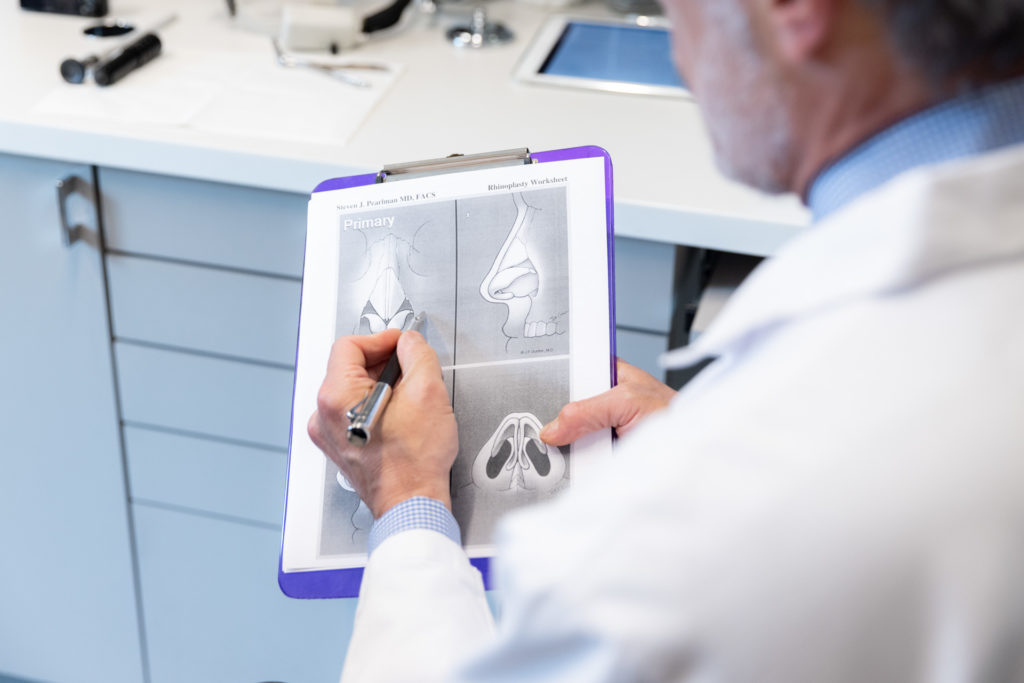
Direct trauma to the nose, whether it be from an accident, sports injury, or repeated impacts, can damage the septum, and its structure, and its natural blood supply. Even injuries that occurred years ago may contribute to perforation if the healing was incomplete or if the tissue remained weakened.
In some cases, patients may not even remember the specific incident that led to their perforated septum, but cumulative trauma typically still plays a role, even if it is not remembered directly.
Chronic Infections and Inflammation
Ongoing nasal or sinus infections can cause persistent inflammation within the septum. Over time, this continuous inflammation may impair blood flow to the tissue in the nose, making it more susceptible to breaking down.
Chronic crusting, frequent nosebleeds, or untreated sinus conditions can all contribute to a septum struggling to heal properly.
Surgical Complications
Previous nasal surgery, like septoplasty or rhinoplasty, can contribute to septal perforation when not performed in optimal conditions or may result from poor healing. While these procedures are generally considered safe when performed by experienced surgeons, the septum is a delicate structure, and disrupting its lining on both sides can compromise blood flow.
In cases of a “botched” surgery, this may cause tissue breakdown and perforation during the healing process. This risk is often related to the complexity of the original surgery and excess harvest of the septal tissue at the time.
Autoimmune and Systemic Conditions
Certain autoimmune disorders can affect blood vessels and connective tissues throughout the body, including the nasal septum. Conditions like granulomatosis with polyangiitis (formerly known as “Wegener’s granulomatosis”) can cause inflammation that weakens the septum over time.
In these cases, it is important to manage the underlying medical condition before perforated septum surgery in NYC can be performed.
Past Intranasal Substance Use
Intranasal drug use can severely damage the lining of the nose by restricting blood flow and irritating the mucosa. Even after use has stopped, the effects on the septum can persist leaving the fragile tissues of the septum especially prone to perforation. The most common culprits are cocaine and even chronic use of Afrin or other decongestant sprays.
It is understandable to be hesitant about discussing this history when looking into perforated septum surgery in NYC, but complete transparency with your surgeon allows for a safer, more effective treatment plan when considering a perforated septum surgery in NYC.
Environmental and Occupational Factors
Long-term exposure to dry air, industrial chemicals, or airborne irritants can gradually dry and inflame the nasal lining. Without proper protection and adequate moisture, the septum becomes more vulnerable to cracking, infection, and tissue loss.
This is particularly true for those who work in industrial environments or live in very dry and arid climates.
Unclear Causes
In some cases, no single cause can be identified as the cause of a perforated septum. Multiple factors can cause a tear, or the initial injury may have occurred many years before. Thankfully, even when the exact cause is unknown, a perforated septum can still be repaired.
Common causes of nasal perforations:
- Injury
- Chronic infections
- Surgical complications
- Certain autoimmune disorders
- Past intranasal drug use
- Environmental factors like chemicals or dry air
Using Surgery to Repair the Septum
Surgery for a perforated septum involves several key steps. It typically happens under general anesthesia, followed by an incision inside the nostril to access the septum.
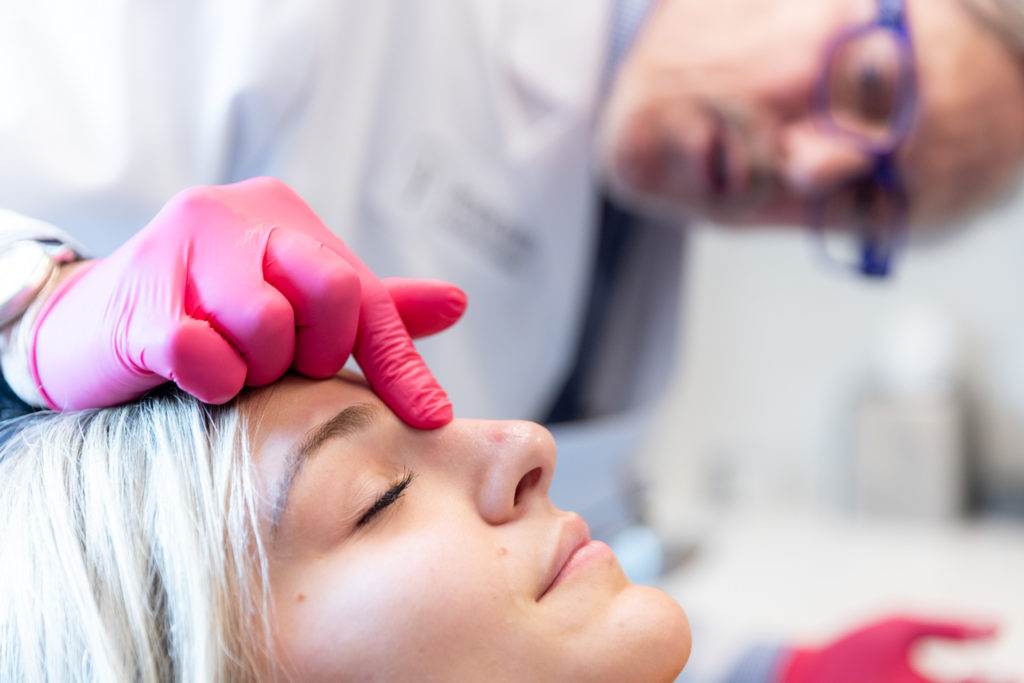
Dr. Pearlman removes any damaged tissue around the perforation and uses grafts—often using something called fascia that can be harvested with an incision in your temple, behind the hairline —to close the hole. After stitching the grafts in place, nasal stents may be applied to support the repair for the first few days to a number of weeks while it heals.
Expected Recovery Timeline
The recovery for perforated septum repair is less than a full septoplasty or rhinoplasty procedure.
During the first few days, expect some swelling and discomfort, so rest and keep your head elevated. In the coming days,
Weeks 1 to 2 will see ongoing healing, but it’s essential to avoid heavy lifting and vigorous activities. By the end of the first month, most people experience significant improvement and are back to normal routines.
Need perforated septum surgery in NYC? Visit Dr. Pearlman
At Pearlman Aesthetic Surgery, we’re home to Dr. Pearlman, one of the top rhinoplasty surgeons in NYC. Dr. Pearlman is uniquely dual-board certified in both facial plastic and reconstructive surgery and in otolaryngology—head and neck surgery (ENT).