

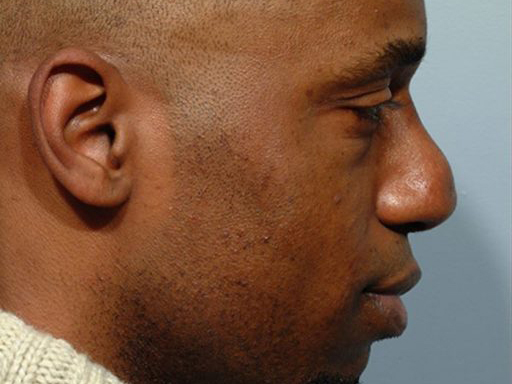
MEET NEW YORK CITY’S
TOP PLASTIC SURGEON








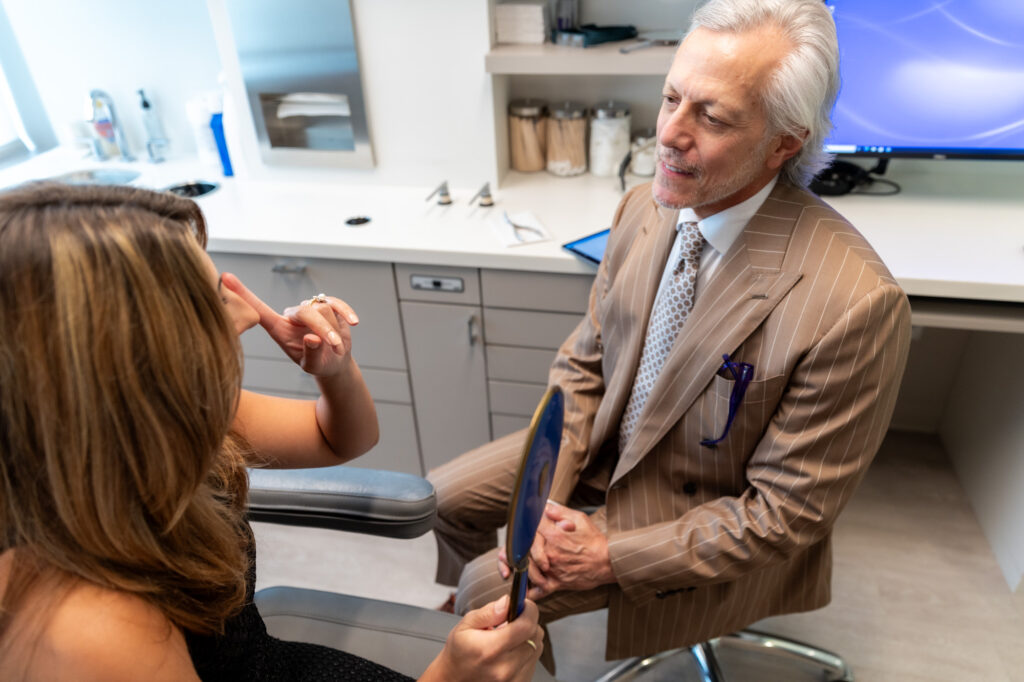
WELCOME TO PEARLMAN AESTHETIC SURGERY FOR WIDE NOSE RHINOPLASTY
In New York City at Pearlman Aesthetic Surgery, wide nose rhinoplasty in New York City is approached with advanced surgical precision and an artistic understanding of facial balance. Dr. Steven Pearlman is a nationally recognized facial plastic surgeon in NYC. He has dedicated decades to refining nasal surgery techniques that create harmony without compromising individuality.
As a double-certified facial plastic and reconstructive surgeon, Dr. Pearlman has performed thousands of rhinoplasty procedures throughout his career. His reputation doesn’t come from volume, but from refinement, particularly in complex structural adjustments. This includes narrowing a wide nasal bridge, reshaping broad nasal bones, or refining a wide nasal tip. His method is designed by careful planning, technical accuracy, and an open, collaborative relationship with each of his patients.
Dr. Pearlman incorporates many advanced surgical interventions in his treatment plans, including ultrasonic techniques and preservation-based approaches when appropriate. These techniques allow for controlled bone reshaping and refined contouring, both especially important when correcting nasal width.
From your first visit to our Park Avenue office, you can expect professionalism, warmth, and respect. Dr. Pearlman performs every wide nose rhinoplasty in New York City with the intention of enhancing facial proportions while maintaining the features that reflect your identity. Expert surgical care brings greater balance and definition to your natural facial structure.
See Our Stunning Results
Before & After Gallery
A Wide Nose Rhinoplasty in New York City Can Correct:
Wide nasal bridge
Wide or flared nostrils
Bulbous nasal tip
Asymmetry and deviations
Bridge reshaping
Overall facial disproportion
Functional issues
Before and After
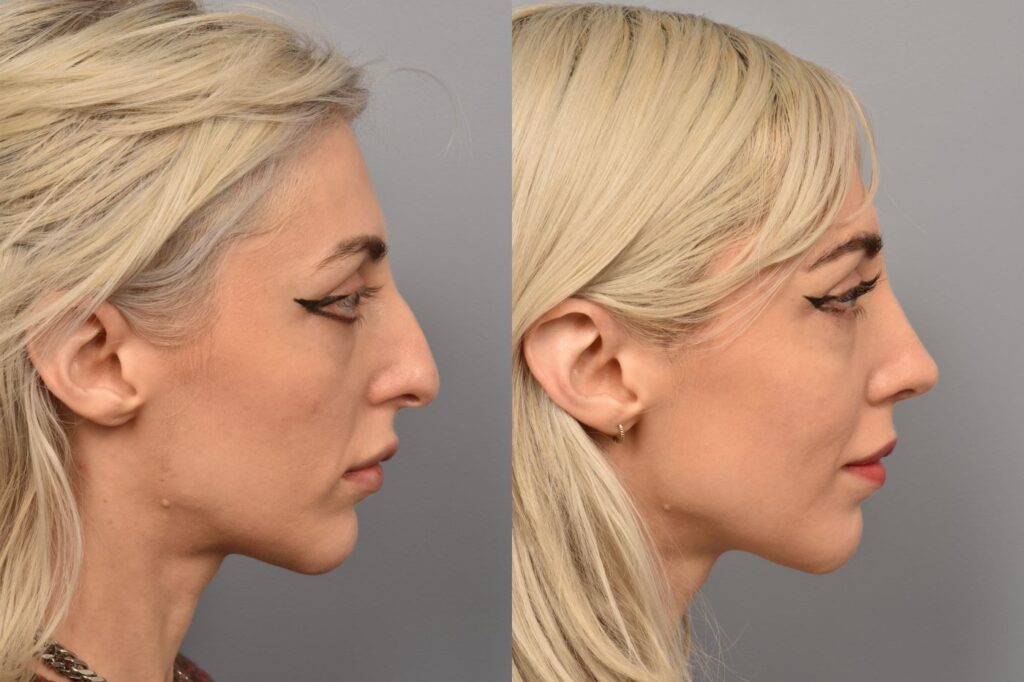
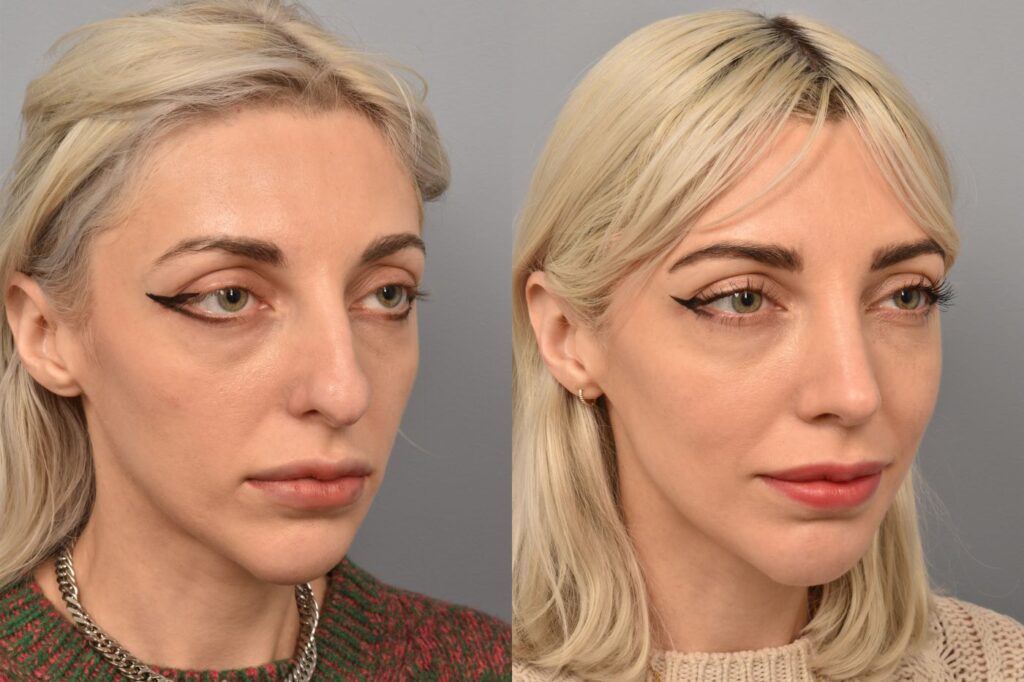
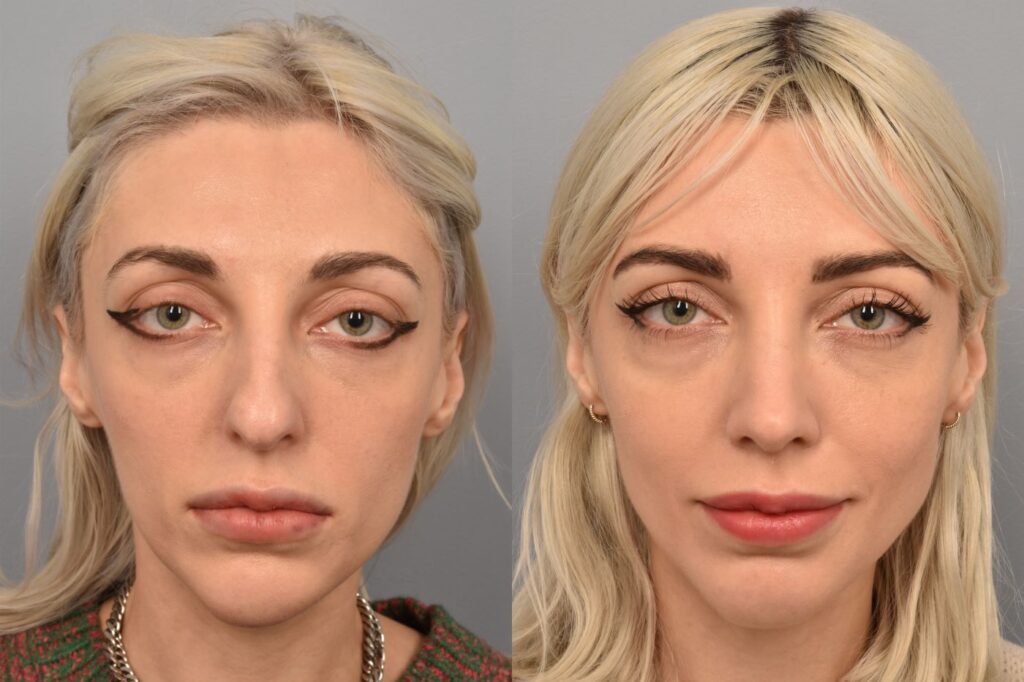
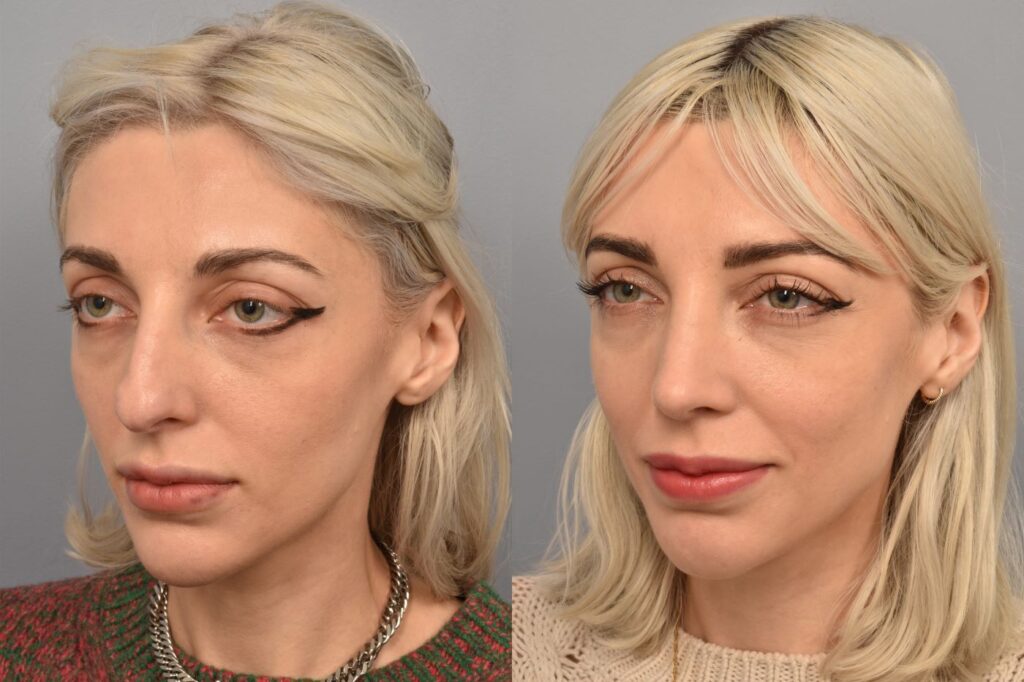
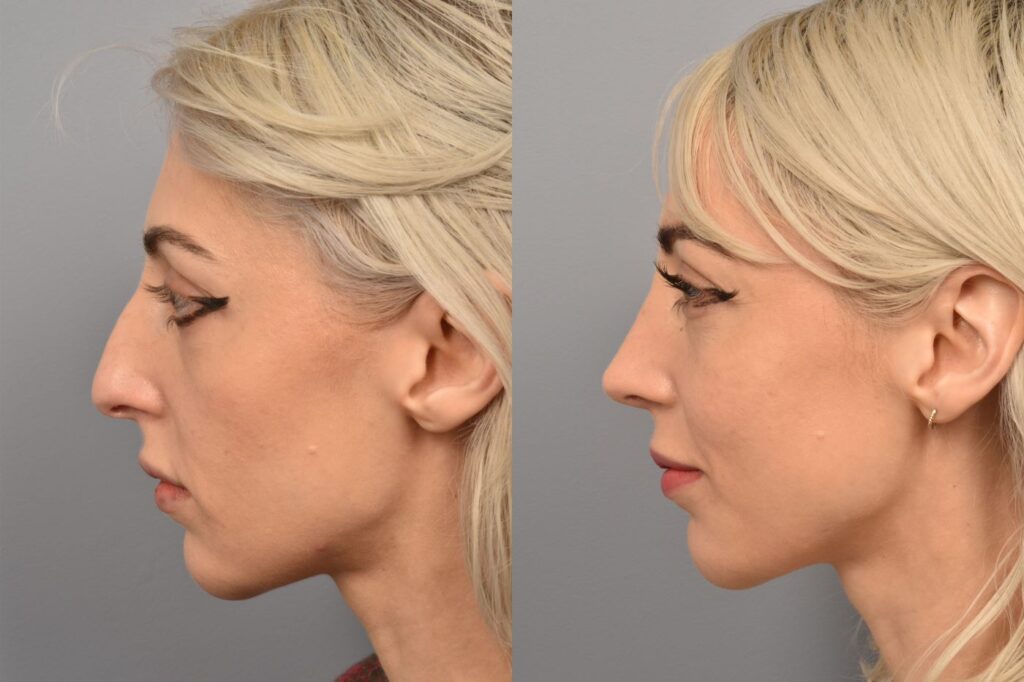
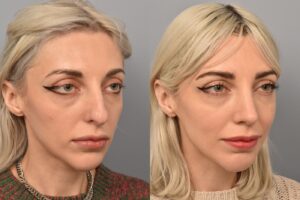

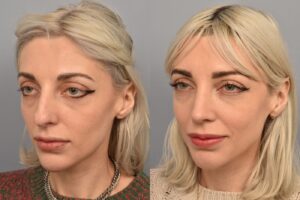

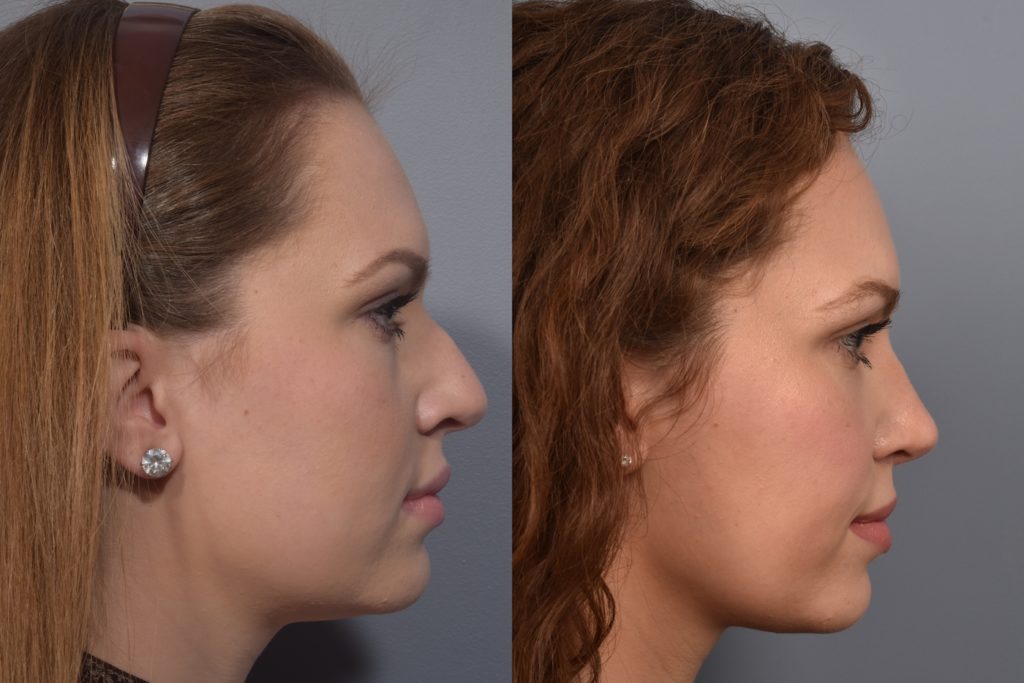
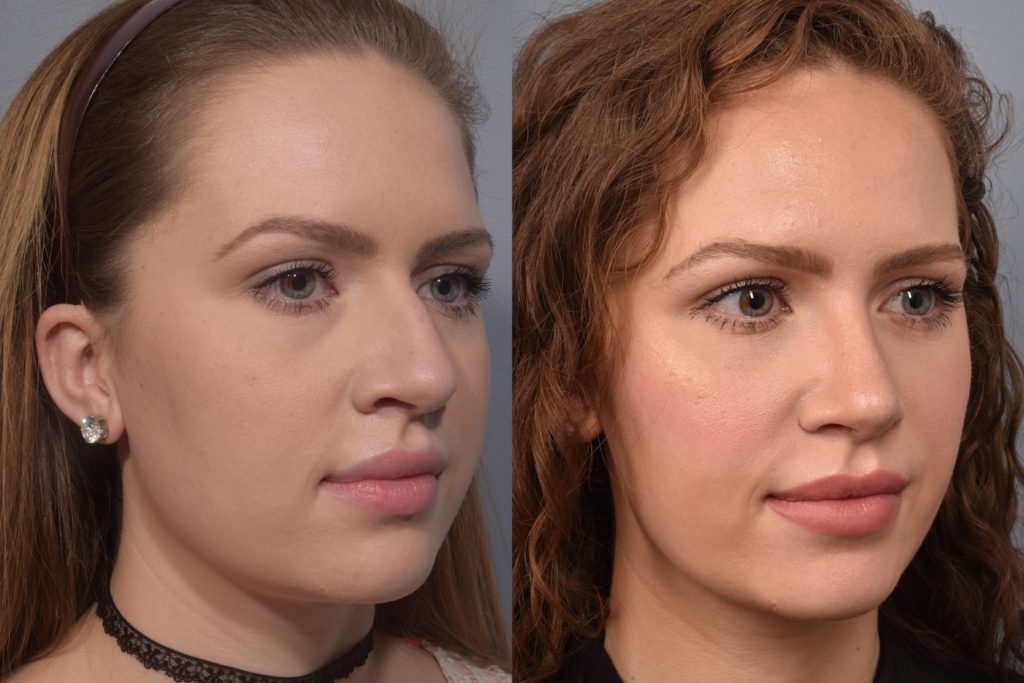
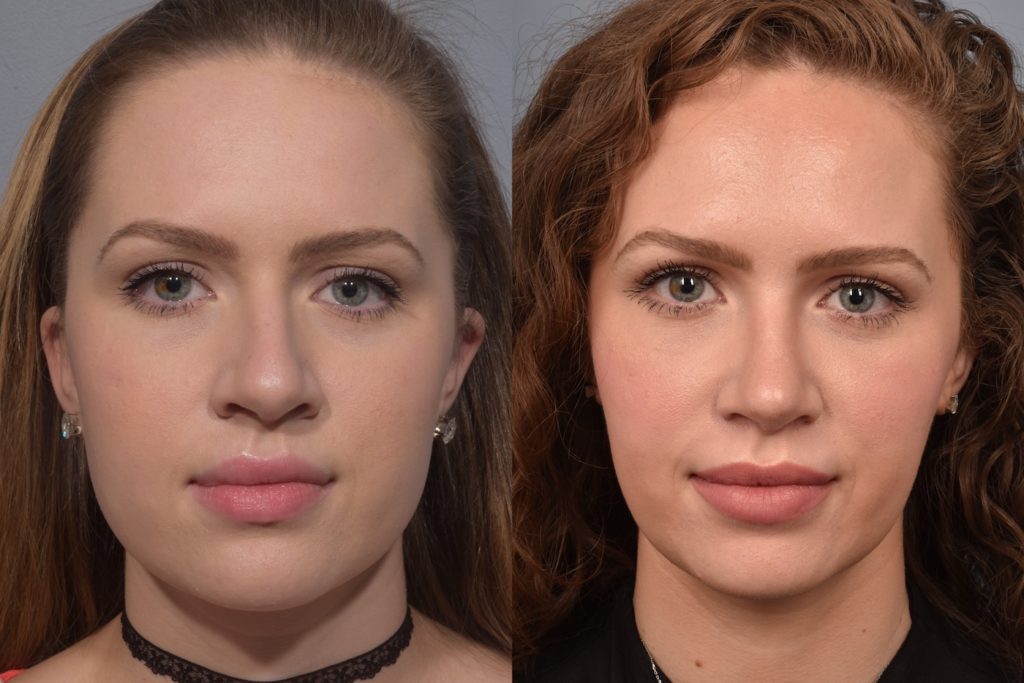
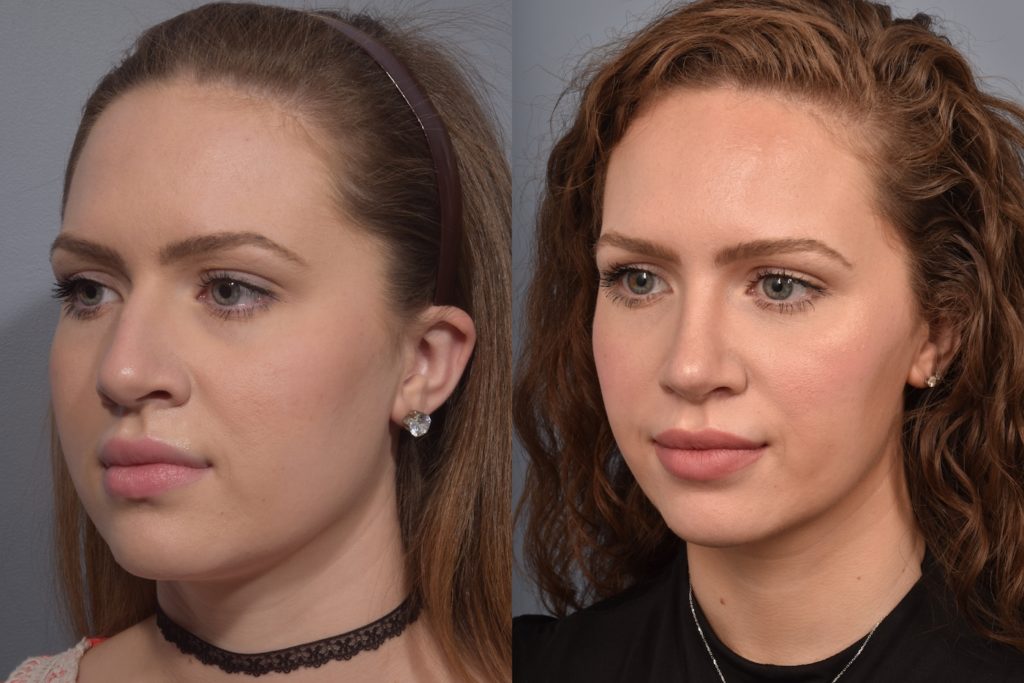
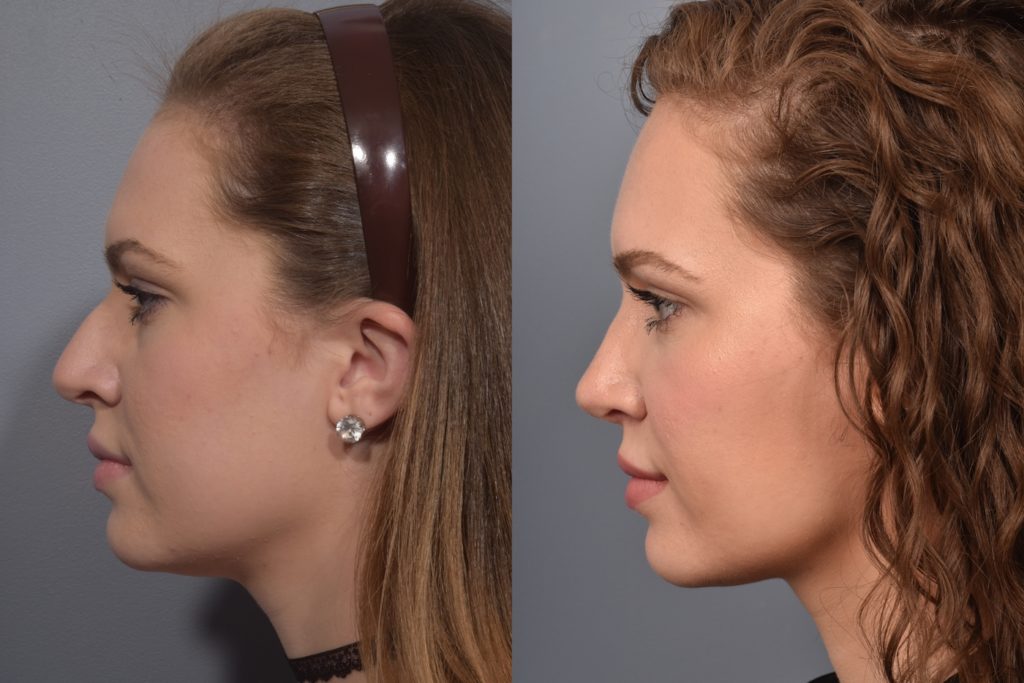
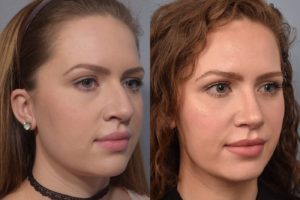
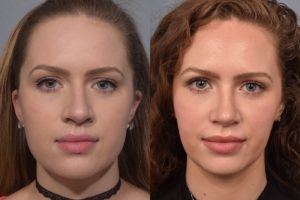
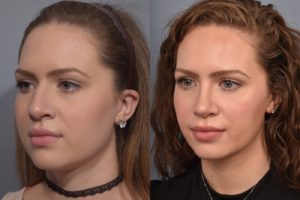
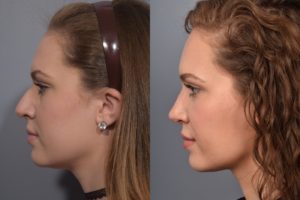
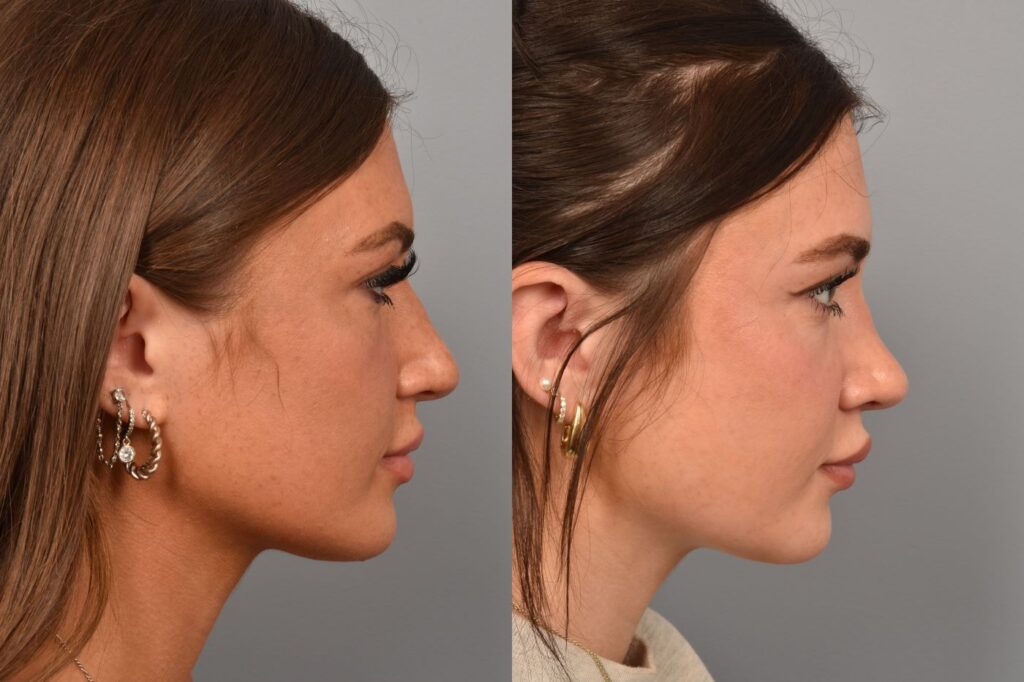
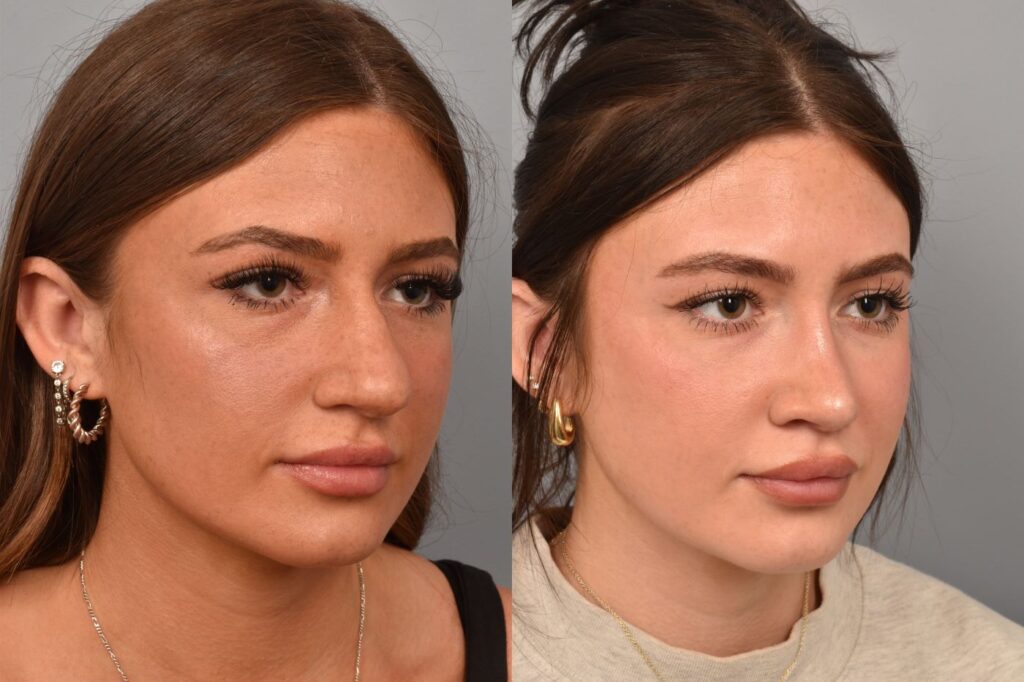

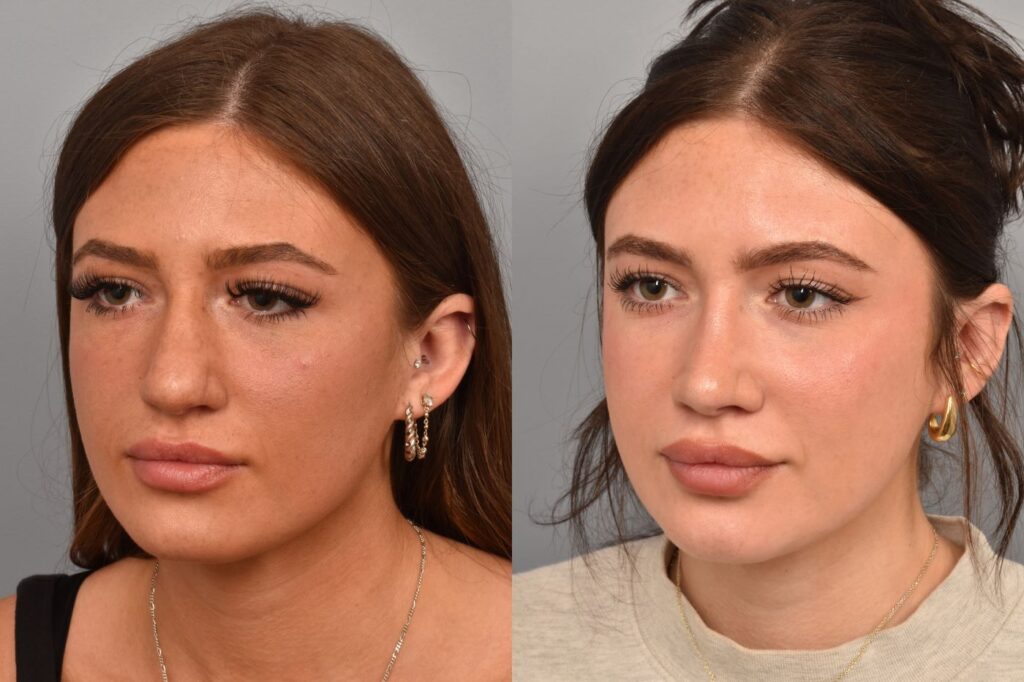


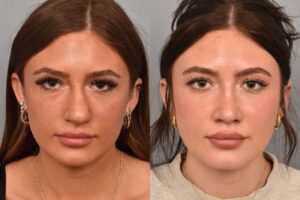
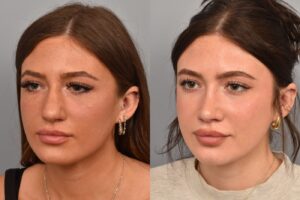
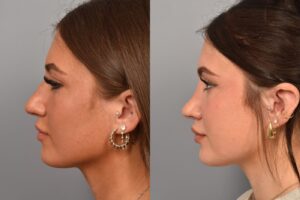
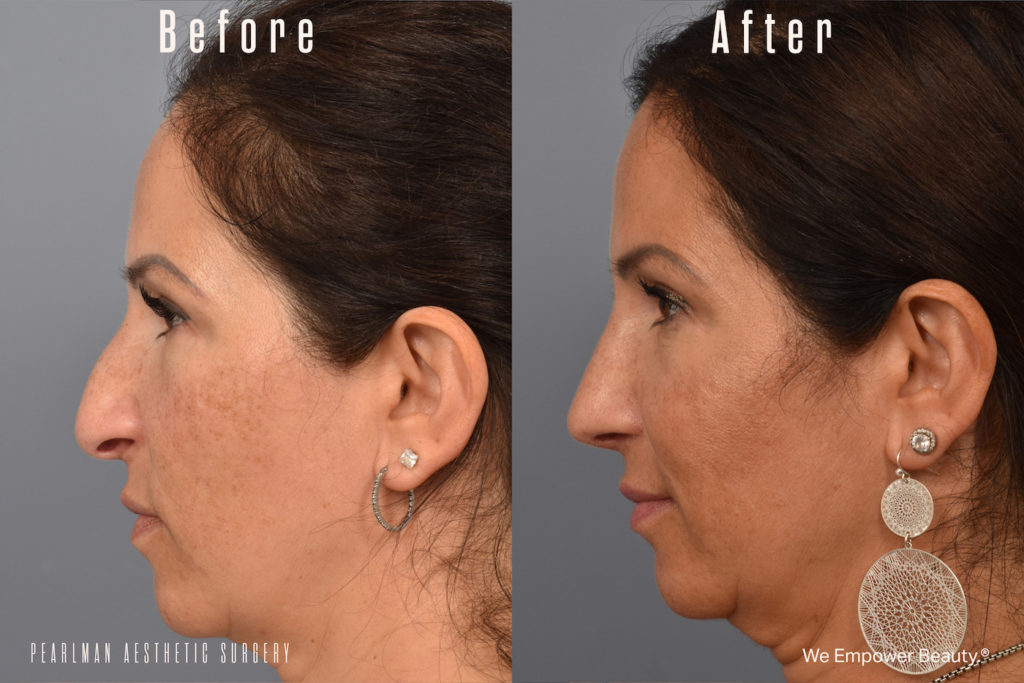
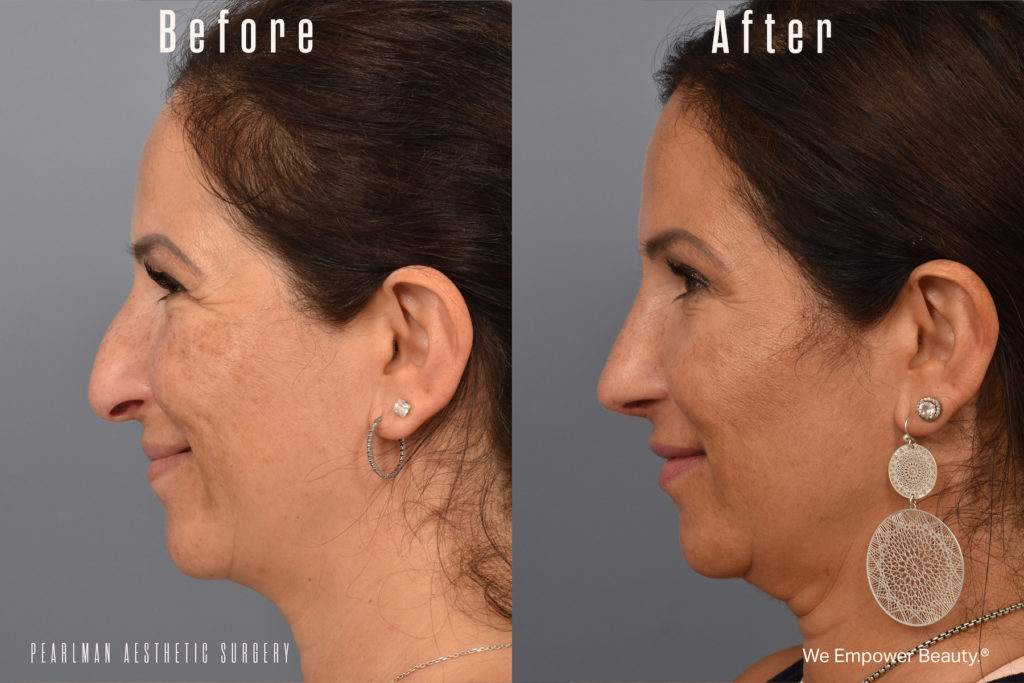
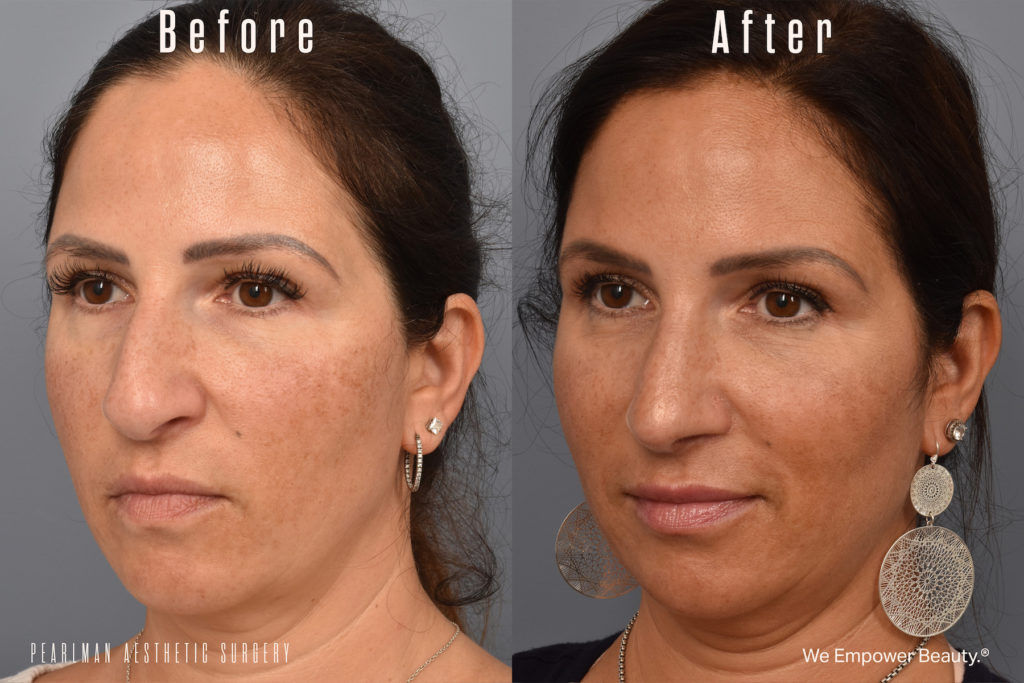
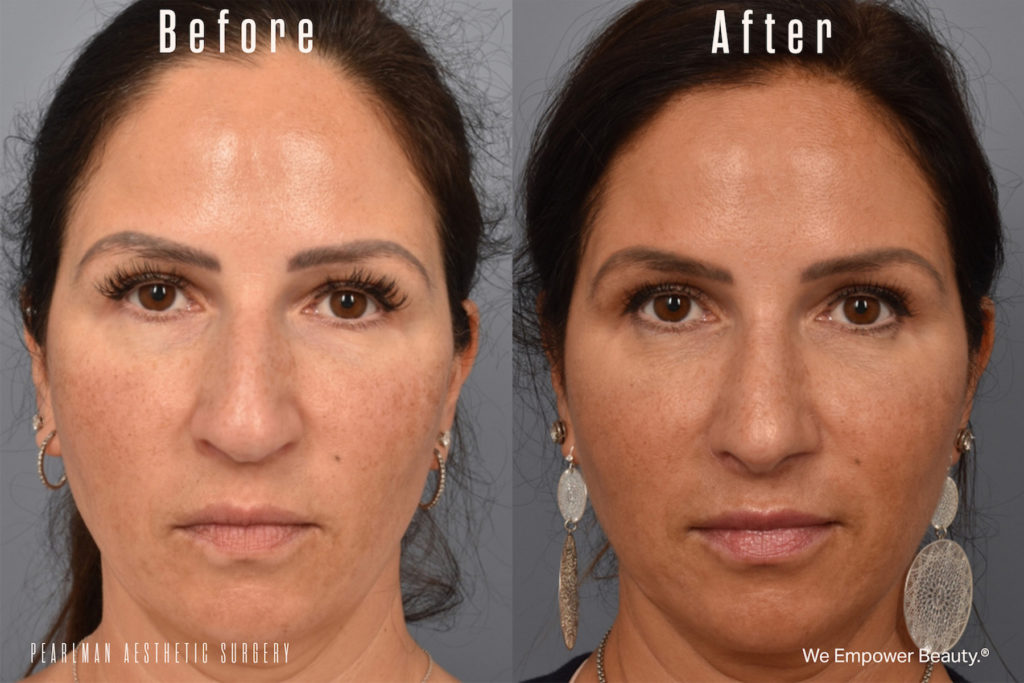
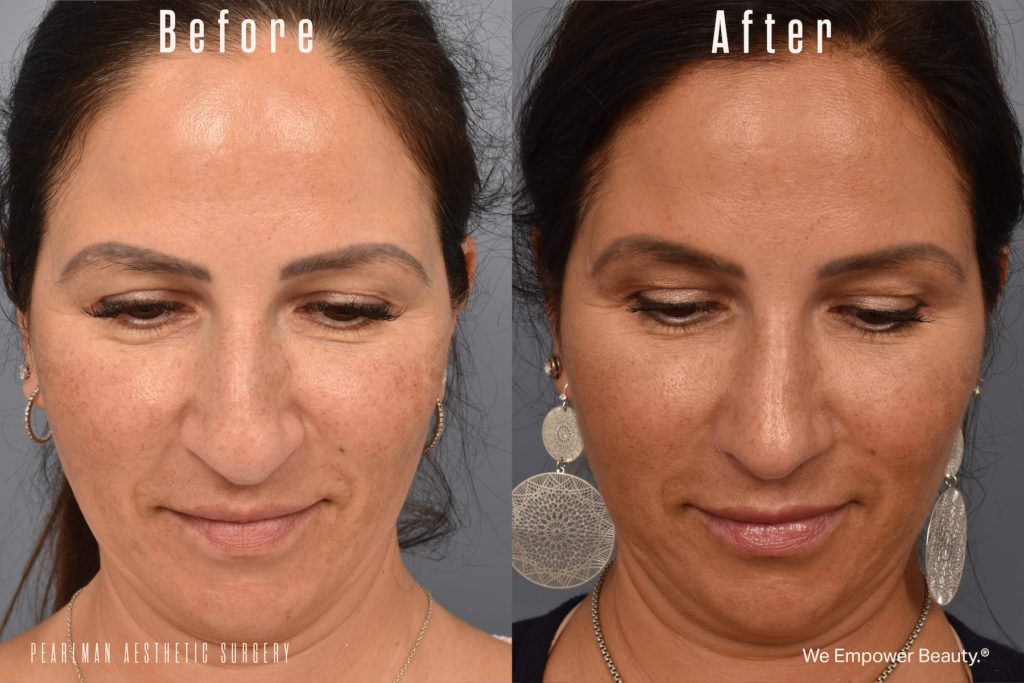
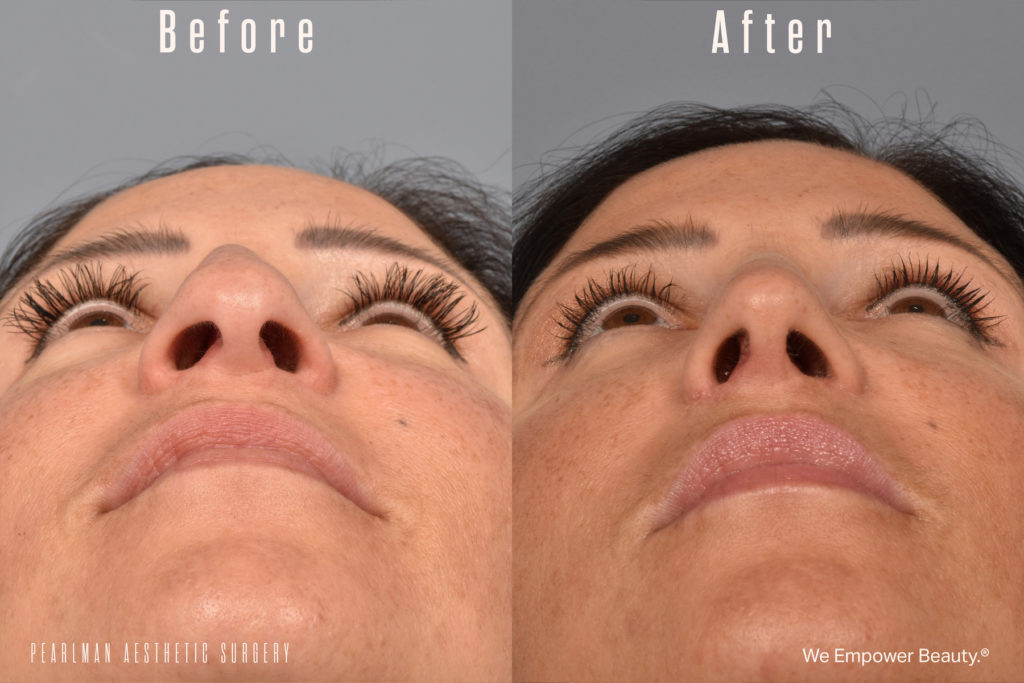
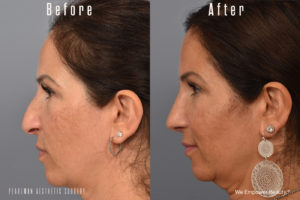
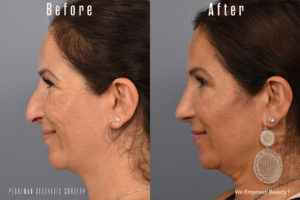
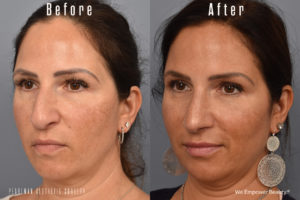
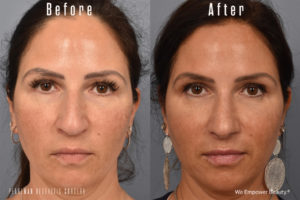
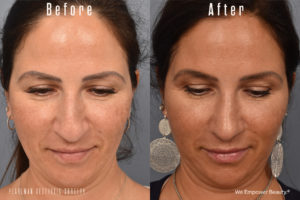
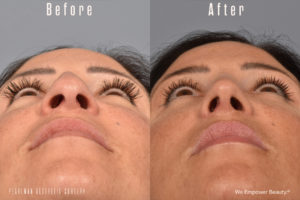
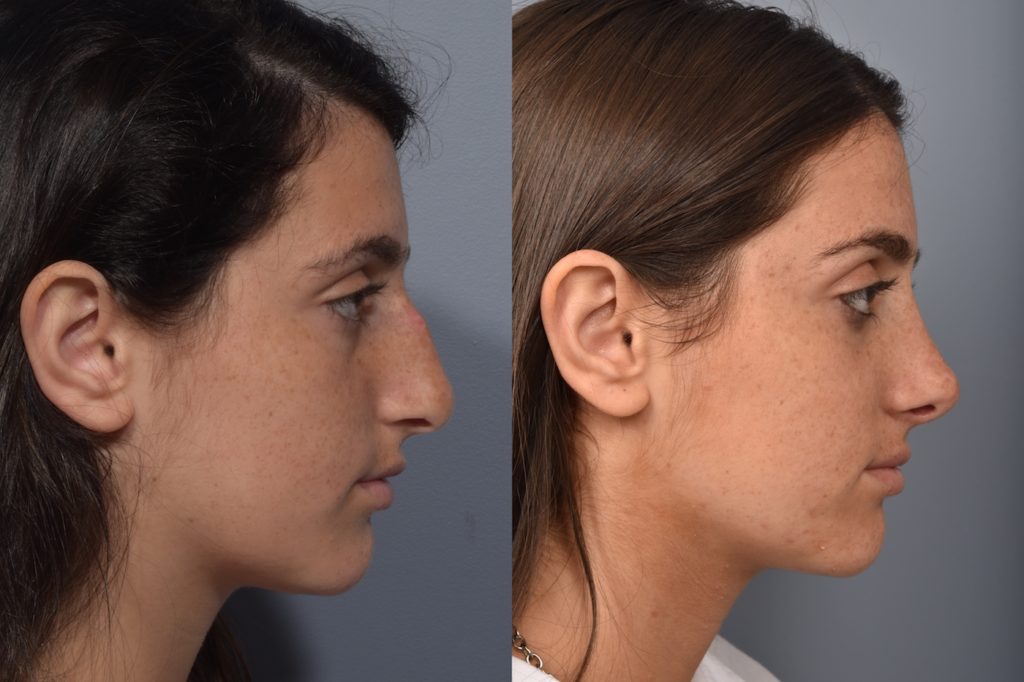
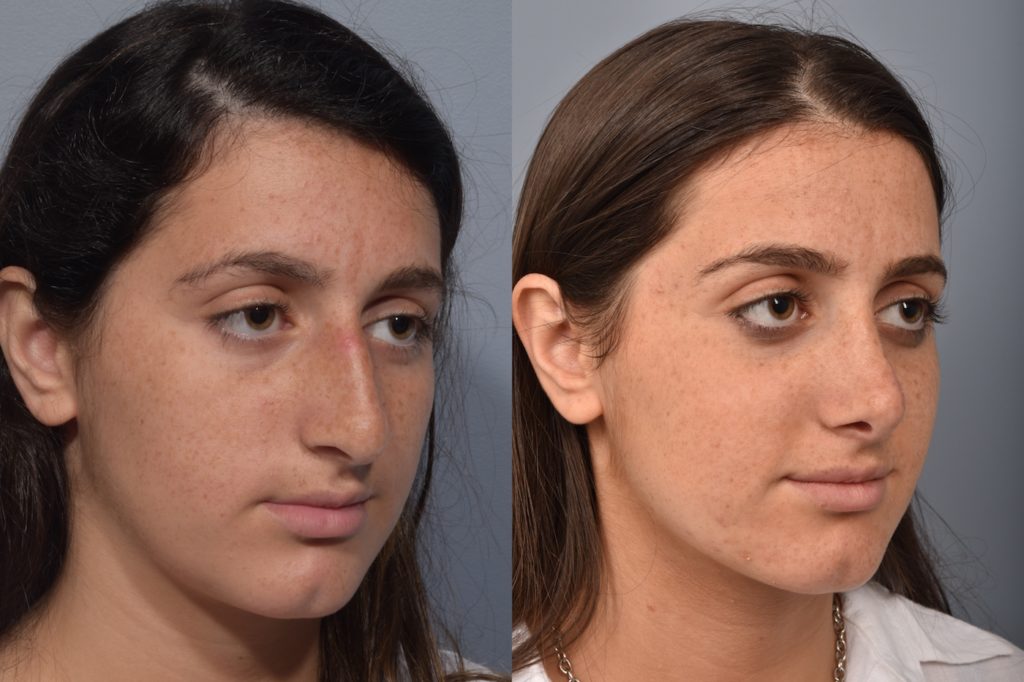
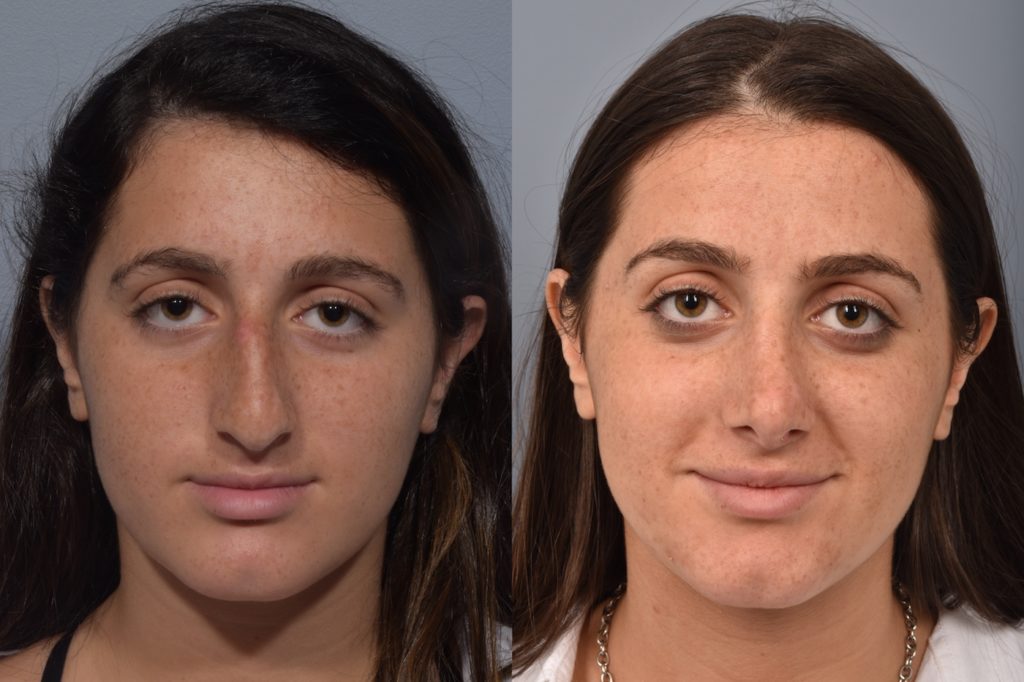
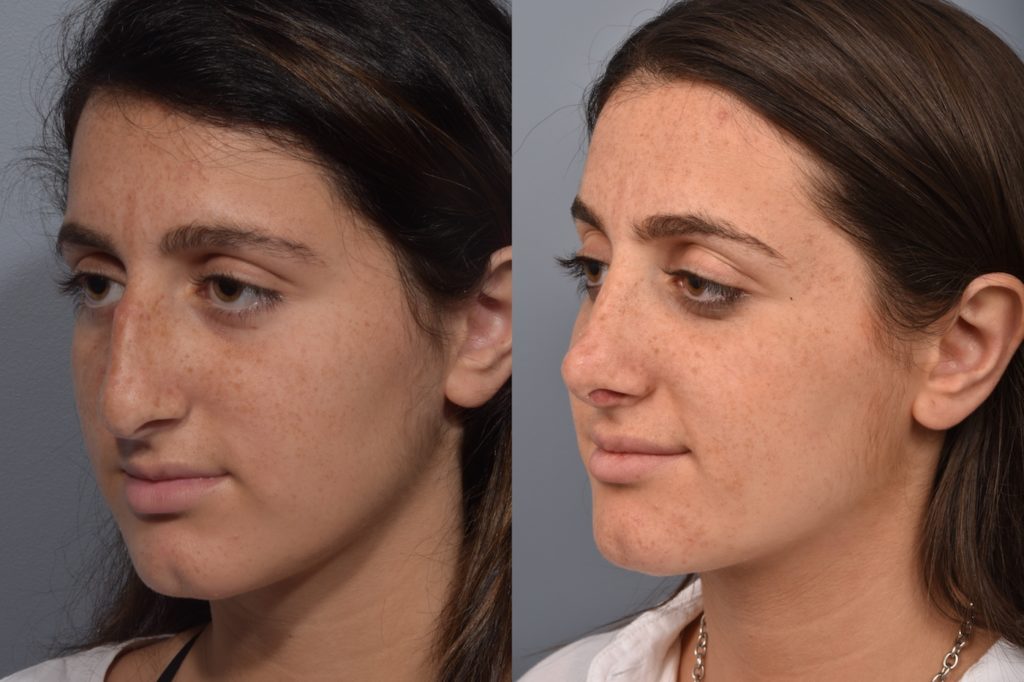
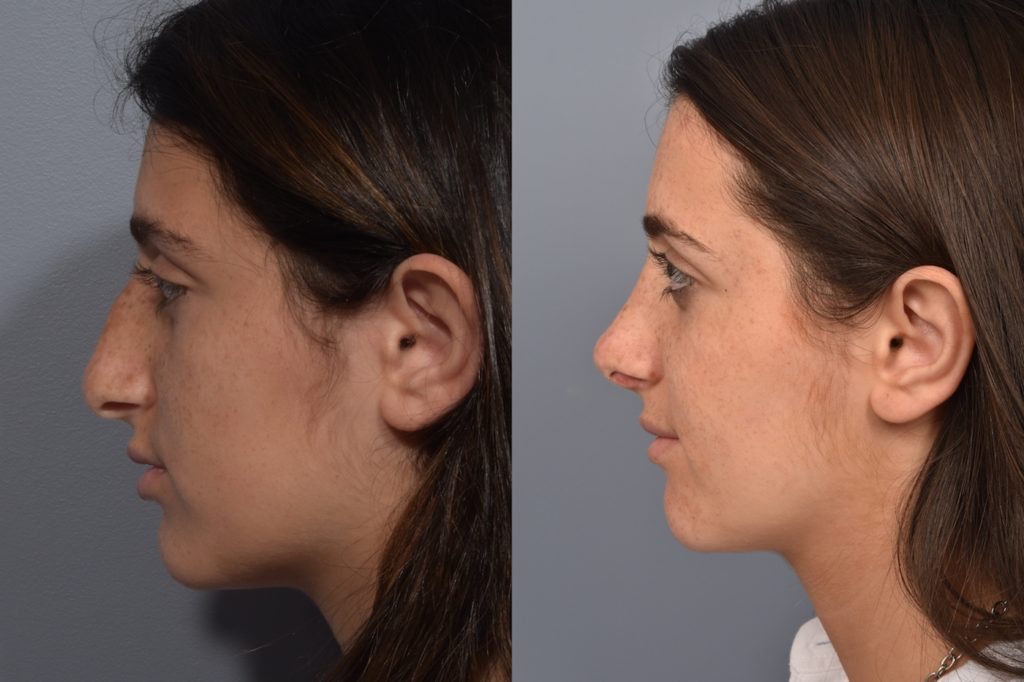
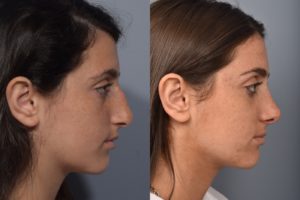
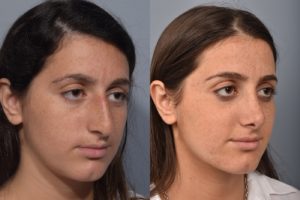
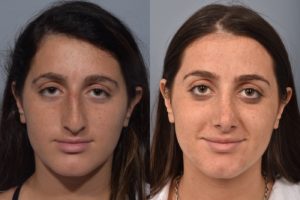
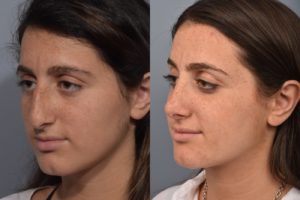
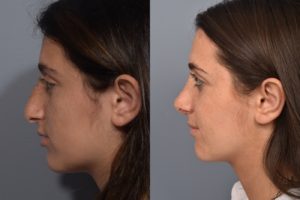
Refined, Natural Results From Wide Nose Rhinoplasty in NYC
The most meaningful feedback we receive after a wide nose rhinoplasty is from patients who heard from others that they look refreshed or balanced, without anyone identifying exactly what changed. That subtlety is intentional.
When narrowing a wide nose, whether at the bridge, mid-vault, or tip, the objective is improved facial proportion. A nose that appears broad or wide can sometimes dominate the center of the face or disrupt its overall symmetry. Through careful reshaping of nasal bones and cartilage, Dr. Pearlman can craft an improved contour while blending the result seamlessly with the rest of your features.
Respect for our patients’ identities is central to our philosophy. Wide nose rhinoplasty in New York City often requires a nuanced approach that considers ethnic background, skin thickness, and structural support. We do not use surgery to create a standardized or overly sculpted appearance. Instead, we refine width in a way that looks effortless and authentic. By combining surgical expertise with modern technology, Dr. Pearlman enhances the nose’s definition and balance while preserving what makes you uniquely you.
“Rhinoplasty will improve the appearance and function of your nose so it naturally complements your face. The best noses are the ones that aren’t obvious; that respect your ethnic identity. Surgery is tailored to each patient’s needs and desires, creating a more harmonious appearance.”

Top Rated Facial Plastic Surgeon
Dr. Pearlman
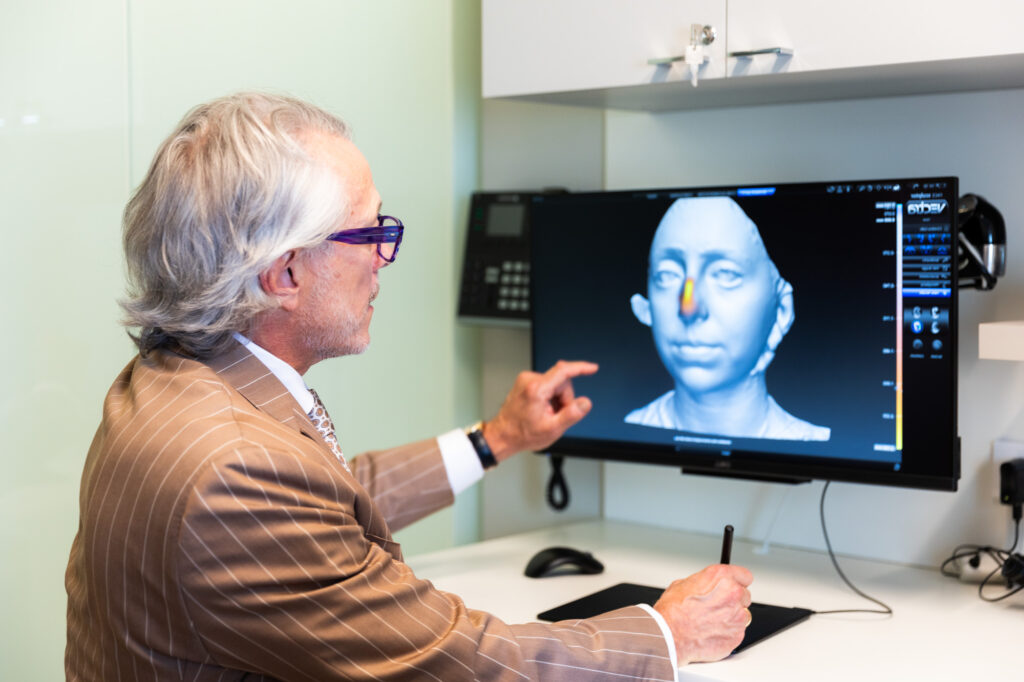
Preserving Structure and Breathing: Functional Considerations in Wide Nose Surgery
In some patients, a wide nasal structure comes with internal issues that impact airflow. When breathing concerns exist alongside aesthetic goals, both elements must be addressed simultaneously.
A procedure that corrects structural airway problems while reshaping the nose is known as a “septorhinoplasty.” This surgery improves the nasal contour while adjusting internal deviations or obstructions that may interfere with comfortable breathing.
Functional concerns may stem from a deviated septum present since birth or caused later on by some form of trauma. Symptoms can include:
- Difficulty breathing through one or both nostrils
- Recurring nosebleeds
- Facial pressure or discomfort
- Snoring
- Chronic sinus issues
If surgery only corrects internal airflow, the procedure is called a “septoplasty.” When we perform a procedure for only cosmetic refinement, such as narrowing a wide bridge or refining a wide tip, that is considered a rhinoplasty. When both functional and cosmetic concerns are treated simultaneously, that comprehensive approach is a “septorhinoplasty.”
Improvements in appearance should never compromise internal support or breathing integrity.
Your Personalized Consultation for Wide Nose Rhinoplasty in New York City
How it Works
Defining Your Vision
Comprehensive Examination & Advanced Imaging
Establishing Shared Surgical Goals
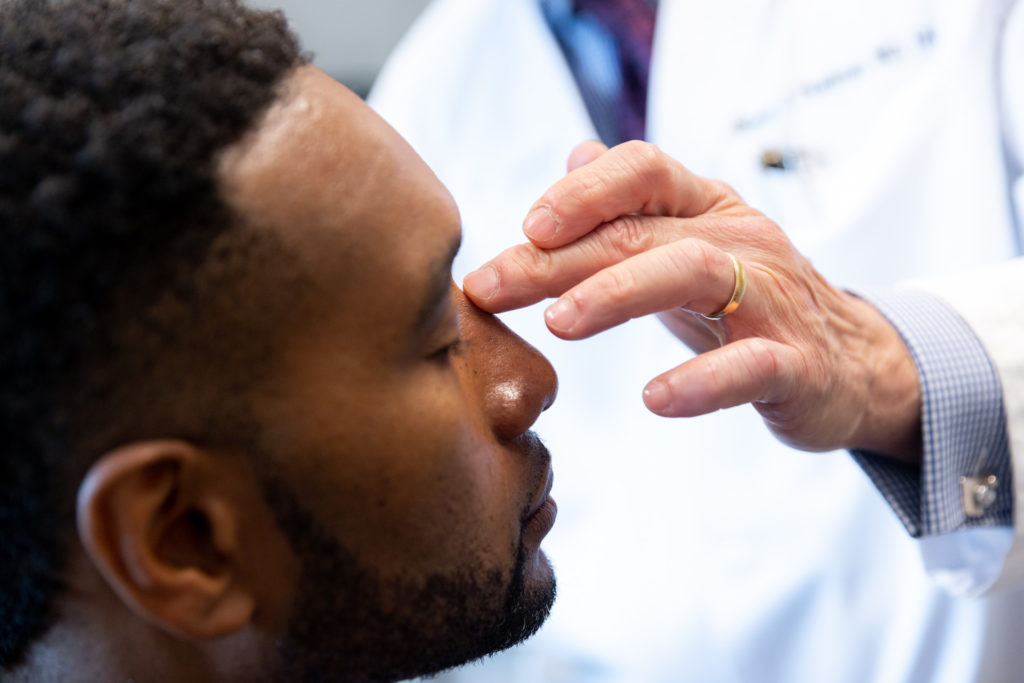
Your consultation is a collaborative and detailed discussion that helps your surgeon understand your concerns about nasal width and facial balance. Dr. Pearlman listens carefully to what you would like to change. Whether your concerns involve a wide bridge, flared nostrils, or a broad tip, your input throughout the process guides the surgical strategy for your wide nose rhinoplasty.
Dr. Pearlman will explain how structural adjustments, such as narrowing nasal bones, refining cartilage, or adjusting tip projection, can improve the overall proportion of the nose. Every recommendation is grounded in a deep understanding of both aesthetic principles and anatomical precision.

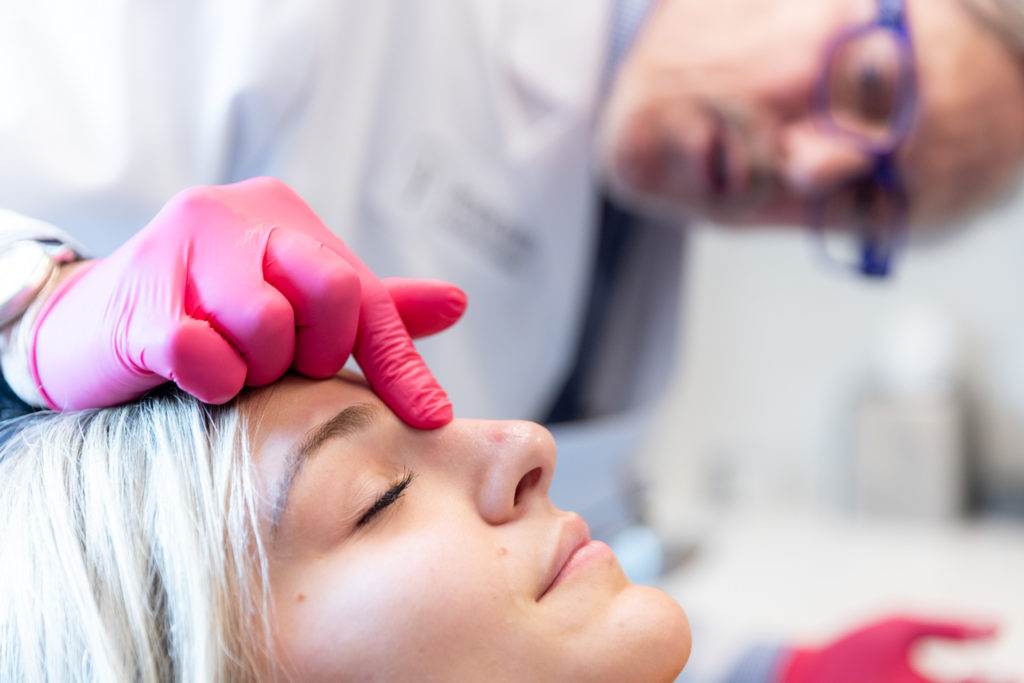
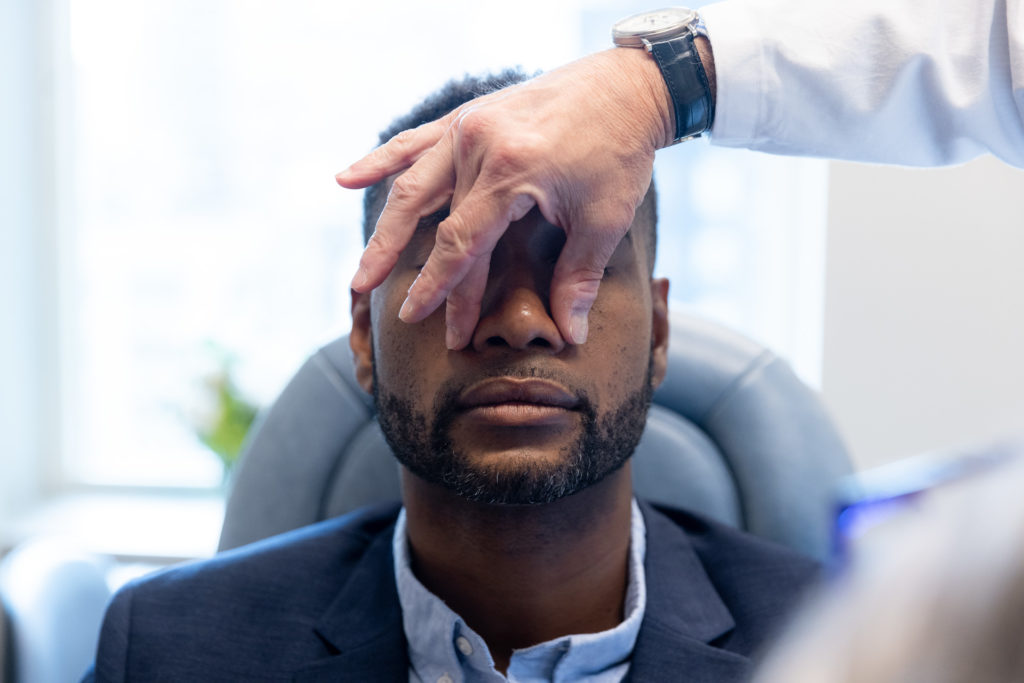
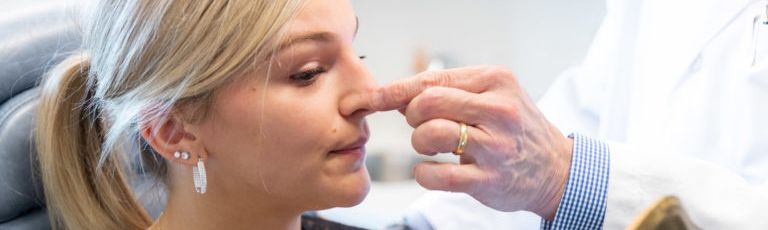
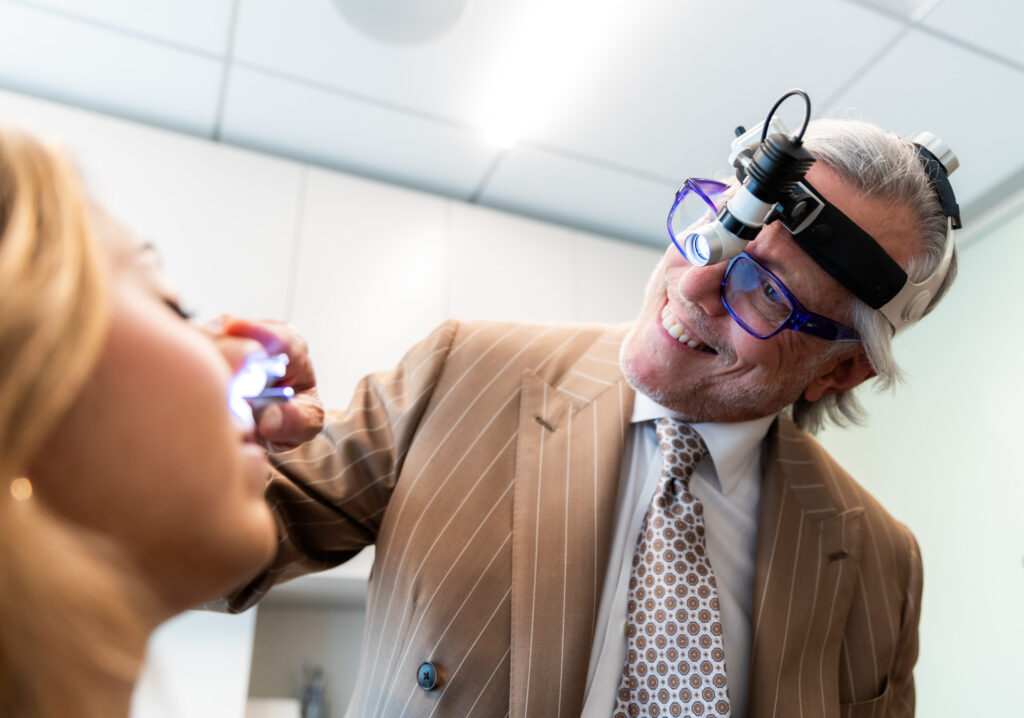
Dr. Pearlman performs a complete evaluation of both the external and internal nasal structure to assess bone shape, cartilage support, skin thickness, and airway function. Because wide nose rhinoplasty requires careful structural planning, understanding each of these details is essential.
Using advanced Mirror® 2D and Vectra® 3D imaging, Dr. Pearlman can simulate potential refinements. This technology allows you to fully visualize possible adjustments and how they complement your overall facial structure. Imaging is not a promise of exact results, but a tool used for transparent communication. It helps to better align your expectations and the surgical plan.
The Importance of 3D Imaging in Rhinoplasty Consultations
Following examination and imaging, you and Dr. Pearlman will define clear, achievable goals and objectives. This step ensures that both you and Dr. Pearlman share a definition of “success” for your procedure.
Wide nose rhinoplasty must strike a balance, reducing size while maintaining strength, support, and a natural appearance. Dr. Pearlman carefully reviews realistic outcomes based on your anatomy, so you have informed and aligned expectations for your care.
Patient Experiences


Start your rhinoplasty journey today.
Designed by our NYC rhinoplasty specialists, our virtual rhinoplasty tool will help you learn more about the possibilities for your rhinoplasty procedure.
Frequently Asked Questions
Rhinoplasty
Do you take patients from out of town?
Yes, we have many patients from all over the US as well as international patients! We have Concierge Services devoted to providing more information to assist our patients that travel to us. We are happy to share recommendations on transportation, hotels, and more.
How do I know if I need a closed rhinoplasty?
Dr. Pearlman uses the closed rhinoplasty technique when anatomically appropriate. Closed rhinoplasty is sometimes called Endonasal Rhinoplasty or Scarless Rhinoplasty.
Determining whether you are a candidate for closed rhinoplasty depends on several structural, aesthetic, and functional considerations that are best evaluated during your consultation. Closed rhinoplasty is most beneficial for patients whose goals can be achieved through internal incisions alone, such as those who do not require significant tip reshaping, major structural grafting, or extensive revision of the nasal framework. Because all incisions are placed inside the nostrils, a closed rhinoplasty in NYC sometimes allows for a quicker recovery with slightly less postoperative swelling, making it a perfect option for those seeking slight, subtle refinement with minimal disruption.
During your consultation, Dr. Pearlman will assess the architecture of your nasal tip, bridge, and overall internal support structures to determine whether closed rhinoplasty techniques can be utilized to achieve your unique goals. Patients with strong underlying cartilage support and those who are looking for more conservative enhancements are often good candidates for closed rhinoplasty.
Not every nose can be fully corrected through a closed approach. If a procedure requires extensive visualization—like precise tip sculpting, advanced grafting, treatment of a severely crooked/asymmetric nose, or complex revision work, —an open rhinoplasty may offer the greater control and precision needed. Dr. Pearlman will explain the benefits of each technique as it applies to your specific anatomy, ensuring that the chosen method maximizes both aesthetic balance and functional improvements. This additional incision is only 3 to 4 mm in length and not visible within a few months. For most patients, someone would need to be looking up your nose with a magnifying glass to even see the incision.
Ultimately, the best way to know whether you need a closed rhinoplasty in NYC is through a personalized evaluation.
If you’d like to learn more about whether you’ll need an open or a closed rhinoplasty, take a look at our blog discussing it! → Open Vs. Closed Rhinoplasty
How do I know if I need a septoplasty?
During your rhinoplasty consultation in our Manhattan office on Park Avenue, Dr. Pearlman will examine the inside of your nose to check for a deviated septum, a narrow internal valve, and/or inflammation or swelling of the turbinates. These are all conditions that can compromise nasal breathing. This examination will reveal whether septoplasty or other functional procedures are necessary to improve nasal breathing.
Beyond the physical examination, several symptoms and functional concerns may indicate that a septoplasty could be beneficial. Many patients who experience chronic nasal congestion that does not respond to allergy medication or decongestants—congestion that often switches from one side of the nose to the other but is usually worse on one side —may benefit from a septoplasty. Difficulty breathing through one or both nostrils, especially when exercising or sleeping, can also be a sign of a deviated septum that is obstructing airflow.
During your consultation, Dr. Pearlman will not only assess the internal structure of your nose but also discuss your symptoms, breathing habits, and medical history to determine whether functional correction is appropriate. If you are considering rhinoplasty in NYC primarily for aesthetic reasons, but also experience some mild breathing difficulties, this evaluation becomes especially important. Combining a septoplasty with an aesthetic rhinoplasty allows for both form and function to be corrected in one procedure, providing comprehensive and lasting improvement.
Ultimately, the decision to choose a septoplasty is rooted in a combination of anatomical findings and the symptoms you experience in daily life. Dr. Pearlman’s goal is to ensure that your nose not only looks refined and natural, but also functions effortlessly, helping you breathe clearly, sleep comfortably, and enjoy an enhanced quality of life. If all you want or need is a septoplasty to improve breathing, this can be performed by an intranasal, scarless approach, without any external incisions or external changes to the nose at all.
How do I know if I need an open rhinoplasty?
Open rhinoplasty allows better visualization of distorted nasal anatomy when the nose is very crooked, the nose is significantly over-projected (sticks out very far), or when Dr. Pearlman is performing a complex revision rhinoplasty. In these cases, the open technique allows for more precise correction and easier manipulation of the nasal cartilage and graft placement. The incision is very tiny; in most circumstances, it is undetectable.
If you’d like to learn more about whether you’ll need an open or a closed rhinoplasty, take a look at our blog discussing it! → Open Vs. Closed Rhinoplasty
Is a rhinoplasty covered by my insurance?
If the purpose of your rhinoplasty is to correct breathing issues and a deviated nasal symptom, it is possible your insurance may cover the breathing or functional portion of the procedure! Dr. Pearlman’s dedicated office staff will be more than happy to assist you in discovering whether or not your procedure will be covered. Cosmetic rhinoplasty is not covered by insurance, but we do offer several financing options for you to choose from.
Is it ever too late in life for a rhinoplasty?
No, it is never too late for a rhinoplasty. Many of our patients decide later in life that they are ready for a rhinoplasty. As long as you are in good general health and have realistic expectations, you can undergo a rhinoplasty at any age.
Choosing rhinoplasty in NYC later in life is far more common than most people realize. Patients often reach a point where they feel more confident in their personal style, more established in their careers, or simply more prepared to focus on themselves, making it an ideal time to pursue a change they have long thought about. For some, age brings a shift in facial proportions or subtle changes in nasal structure due to cartilage weakening, previous injuries, or natural aging. Rhinoplasty can thoughtfully restore balance and harmony, creating a refreshed and natural appearance without looking “overdone.” Rhinoplasty can also address aging changes of the nose: drooping and widening of the tip, and a more visible hump.
It’s also important to note that recovery considerations are typically similar across age groups. Healthy, active adults in their 40, 50s, 60s, and even 70s can still heal exceptionally well post-operation. The procedure can be performed to address functional concerns like breathing difficulties, purely aesthetic goals, or both simultaneously for a comprehensive improvement.
Age should not be viewed as a barrier to achieving a nose that feels proportional, natural, and aligned with your self-image. If you are in good health and motivated to enhance either the appearance or function of your nose, rhinoplasty remains a safe and rewarding option at virtually any stage of life.
Is rhinoplasty scarring noticeable?
When Dr. Pearlman performs a closed rhinoplasty, he does not use external incisions. Therefore, all incisions are hidden inside the nose and virtually undetectable.
For open rhinoplasty, the only difference is a tiny incision across the bottom of the nose that usually heals so well it is undetectable.
Many patients are understandably concerned about scarring, especially when considering surgery in a central area of the face. Fortunately, rhinoplasty is known for being one of the least visibly scarring procedures in aesthetic surgery—especially when performed by a surgeon with Dr. Pearlman’s level of precision and experience. The placement of incisions, the technique used, and the post-healing process all contribute to exceptionally discreet outcomes.
In closed rhinoplasty, the absence of external incisions means that there is simply no visible scarring from the procedure. This approach is ideal for patients whose goals can be achieved internally, while still providing the refined, natural-looking results they are seeking.
Open rhinoplasty in NYC utilizes a small incision placed along the columella (the tissue between the nostrils) and then is meticulously closed using a delicate suturing technique that’s designed to promote optimal healing. Over time, this incision typically fades, becoming extremely difficult to detect even at close, conversational distances. In most patients, the scar becomes virtually invisible once fully healed.
Dr. Pearlman and his team also provide comprehensive post-operative guidance to support healthy scar maturation. This may include gentle scar care, sun protection strategies, and follow-up evaluations to ensure the incision is healing beautifully. When rhinoplasty is performed with expert techniques and a patient follows their aftercare instructions, scarring is virtually non-existent and rarely a visible part of the final results.
What causes a dorsal hump to form?
What causes a dorsal hump to form?
A dorsal hump is a bump on the bridge of the nose, usually the upper bridge, typically composed of bone and cartilage. It can vary significantly in size and prominence from individual to individual.
Several factors can cause a dorsal hump to form:
- Genetic factors: Many people inherit the shape of their nose, including the presence of this “bump” on the nosefrom their family.
- Trauma or injury: Trauma to the nose, like a fracture, can cause a dorsal hump to develop during healing.
- Medical conditions: Conditions like a deviated septum can contribute to the formation of dorsal humps.
- Nasal tissues and cartilage changes: Some individuals experience dorsal hump growth as their nasal tissues and upper lateral cartilage change naturally over time. It’s not uncommon for a prospective patient to bring in a photo of their nose without any hump as a child.
The exact composition of the hump and why it may have formed affects how Dr. Pearlman treats the hump surgically.
What is a good age to undergo rhinoplasty?
The best age for rhinoplasty candidates begins in late adolescence or early adulthood. However, patients may undergo rhinoplasty earlier in life as long as nasal growth is complete. The procedure is appropriate for teenagers, typically starting at approximately age 15 for girls and 16 for boys. Specific ages depend on the patient’s growth and emotional maturity.
In addition to physical readiness, emotional preparedness is just as important. Teenagers considering rhinoplasty should have a clear understanding of their goals and realistic expectations for the outcome. Open communication between Dr. Pearlman, the patient, and the supporting family members will help ensure that the decision to undergo rhinoplasty in NYC is both thoughtful and properly informed. In teenagers, we often see the change in their outlook and confidence often outweighs the physical changes from rhinoplasty.
Rhinoplasty can be safely performed in adults at any age, provided that the patient is in good overall health. Patients both in earlier and later stages in life alike choose this procedure to address functional concerns, aesthetic goals, or changes in the nasal structure.
It is important for teens to be emotionally mature and prepared for the procedure. Visit our page on teenage rhinoplasty for more information.
What questions should I ask my nose surgeon?
To get the most out of your rhinoplasty consultation, Pearlman Aesthetic Surgery advises you to ask the following questions
- Are you certified by the American Board of Facial Plastic and Reconstructive Surgery?
- Are you certified by the American Board of Otolaryngology?
- Were you trained specifically in the field of facial plastic surgery?
- How many years of training in facial plastic surgery do you have?
- Do you specialize and devote the majority of your practice to nasal surgery?
- Is your surgical facility accredited by a nationally or state recognized accrediting agency?
- Am I a qualified candidate for this procedure?