

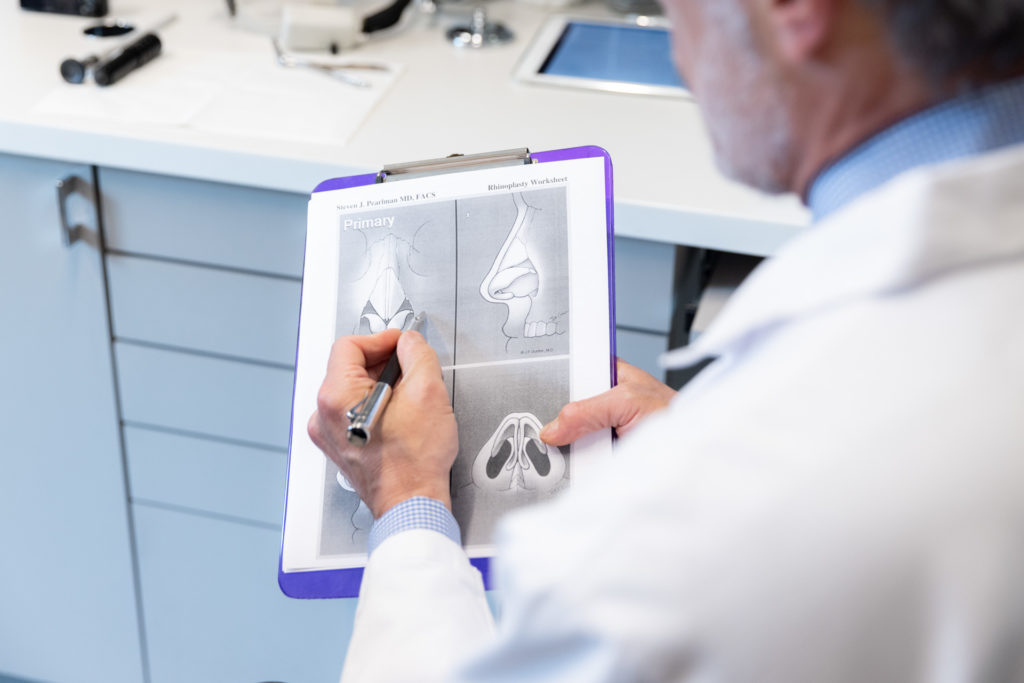
A successful rhinoplasty and balanced results often come down to the smallest details. Among the aspects of the nose, the nasal tip plays an especially important role.
When the tip does not heal as expected after a rhinoplasty, or when the tip still needs subtle refinements, patients may explore options for tip revision rhinoplasty in New York City.
Because revision rhinoplasty focuses on very intricate areas of nasal anatomy, it requires exceptional surgical judgment and a deep understanding of both the structure and aesthetics of the nose.
At Pearlman Aesthetic Surgery, nationally recognized facial plastic surgeon Dr. Steven Pearlman specializes in refining nasal structures with precision and restraint. Guided by his philosophy, “We Empower Beauty,” each revision procedure he performs enhances natural facial proportions while preserving the individuality that makes every patient unique.
In this guide, we explore how tip revision rhinoplasty works, when it may fit a patient’s goals, and how experienced facial plastic surgeons safely refine one of the most intricate structures of the nose.
What Is Tip Revision Rhinoplasty?
Revision rhinoplasty is a procedure performed to address concerns that remain after an initial nose surgery. When the revision focuses on the nasal tip, the surgery is known as “tip revision rhinoplasty.”
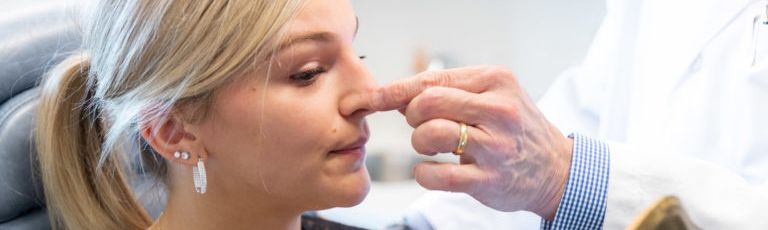
This procedure can address both aesthetic concerns and functional issues, like breathing difficulties or structural instability. During the evaluation process, a surgeon carefully examines nasal anatomy, including the septum, cartilage framework, and any scar tissue from previous surgery.
Because each revision rhinoplasty is unique, surgical planning is highly individualized. Experienced surgeons often use specialized techniques to rebuild or reinforce the nasal tip while maintaining a natural appearance.
Depending on each patient’s anatomy and surgical goals, a surgeon may perform the revision procedure using either an open or closed rhinoplasty approach. No matter which technique they use, the goal remains the same: restoring balance, improving function, and achieving natural-looking results.
Common Nasal Tip Concerns That May Require Revision
Patients seeking tip revision rhinoplasty in New York City often have specific concerns related to how the nasal tip healed after their original procedure. These factors can affect both facial harmony and nasal function.
Understanding the most common concerns helps patients determine whether revision surgery may fit their goals.
Drooping Nasal Tip
A nasal tip that gradually drops after rhinoplasty can alter the facial profile and make the nose appear longer or less refined. This may happen because of weakened cartilage support or from changes that occurred during the healing process.
Tip Asymmetry
Slight changes in cartilage positioning or scar tissue formation can cause the nasal tip to appear uneven. Even small, subtle asymmetries can disrupt facial balance.
Scar Tissue Build-Up
Scar tissue sometimes develops around the tip structures after surgery, creating firmness, irregular contours, or visible surface irregularities.
Over-Projection or Under-Projection
If the nasal tip projects too far or not far enough from the rest of the face, it can disrupt facial proportions. Revision surgery can refine this projection to better complement the patient’s overall features.
Breathing Difficulties
Structural changes affecting the nasal tip can sometimes contribute to airflow obstruction or nasal valve collapse. Tip revision rhinoplasty can restore support while improving breathing.
Because revision rhinoplasty requires precise structural correction, consult only with an experienced facial plastic surgeon. Dr. Pearlman carefully evaluates each case to determine the safest and most effective solution.

The Benefits of Revision Rhinoplasty
When performed by top nose surgeons, revision rhinoplasty can offer several meaningful benefits for patients seeking improved nasal balance and function.
These can include:
- Refined nasal tip: Advanced surgical techniques allow surgeons to create smoother transitions between nasal structures, restoring a natural and harmonious appearance.
- Improved facial balance: By adjusting projection, rotation, and symmetry, revision surgery can restore proper facial proportions.
- Better nasal function: Reinforcing structural support can improve airflow and ease breathing difficulties created by a previous surgery.
- Correction of irregularities: Revision surgery can address visible asymmetry, contour irregularities, or structural weaknesses from the original procedure.
Understanding the Revision Rhinoplasty Process
Patients considering tip revision rhinoplasty in New York City can often benefit from fully understanding the planning, procedure, and recovery processes.
Here’s what patients can expect when receiving their tip revision rhinoplasty.
The Waiting Period
Most surgeons suggest waiting at least 12 months (sometimes up to 18 months) after your initial rhinoplasty before considering any revision rhinoplasty, including tip revision.
Our nasal tip is vascular and fleshy. After surgery, it often remains full or swollen for longer than other parts of the nose. Allowing enough time for healing ensures that both the patient and surgeon can evaluate the ultimate results of the initial procedure before determining the options for another revision where necessary.
This waiting period allows for:
- Swelling to fully resolve
- Scar tissue to soften
- The final nasal shape to stabilize
After this waiting period, the true results of the original rhinoplasty can be accurately and fully assessed.
Preparing for Tip Revision Surgery
Once a surgeon determines that tip revision rhinoplasty in New York City aligns with a patient’s needs, they will complete several preparation steps before any incisions are made.
These steps include:
- Initial consultation: During the consultation, Dr. Pearlman evaluates nasal anatomy, discusses aesthetic goals, and reviews the patient’s surgical history.
- Medical evaluation: Patients undergo a medical evaluation before surgery to confirm they are healthy enough for the revision procedure.
- Lifestyle adjustments: Before the surgery, providers recommend that patients avoid smoking, since it can increase bleeding, slow healing, or create additional complications post-op.
- Preoperative instructions: Patients receive detailed instructions outlining how to prepare for surgery, including dietary guidelines and how to plan their recovery.

Choosing the Surgical Approach
During your initial consultation, Dr. Pearlman will discuss the pros and cons of various surgical approaches and techniques.
The 2 most common options include an open revision rhinoplasty and a closed revision rhinoplasty.
Open Revision Rhinoplasty
This approach involves a small incision at the base of the nose that allows the surgeon to lift the nasal skin and directly visualize the cartilage framework. An open rhinoplasty technique will leave slight external scarring, but it is usually the best option for more complex cases, and an experienced surgeon can often minimize or conceal the scar.
This incision heals so well that someone would need to be looking up your nose very closely to see any incision at all.
Closed Revision Rhinoplasty
With the closed technique, surgeons place all incisions inside the nostrils. This approach avoids external scars and may allow for quicker recovery when only slight changes are needed.
Advanced Techniques in Tip Revision Rhinoplasty
Modern innovations are improving surgical outcomes for revision rhinoplasty. Here’s a breakdown of some of the cutting-edge techniques used at Pearlman Aesthetic Surgery that you can discuss with your surgeon.
- Structural cartilage grafting uses tissues that can offer improved stability over traditional grafts.
- High-definition visualization tools allow your surgeon to see inside your nose better. This enables them to work with smaller incisions, which can reduce scarring and recovery time.
- Advanced computer imaging helps align your vision with your potential surgical results before any incisions are made.
Recovery After Tip Revision Rhinoplasty
Recovery after revision rhinoplasty typically involves mild swelling, bruising, and temporary nasal congestion. Following your revision surgery, it’s crucial to adhere to your surgeon’s advice on managing post-operation swelling.
While every patient heals at a different pace, they do share several common milestones:
- Early recovery: During the first week post-surgery, swelling and bruising are common. We advise patients to rest and follow their surgeon’s post-operative instructions carefully.
- First few weeks: Swelling gradually improves, and most patients feel comfortable returning to daily activities.
- Long-term healing: Because the nasal tip heals slowly, subtle changes may continue to develop over the next several months. Final results can take a year to fully manifest.
Instructions and Tips for Optimal Healing
To help expedite the healing process and maximize your comfort post-operation, we offer a few tips to patients to help them recover more smoothly after their tip revision rhinoplasty in New York City:
- Elevate your head while sleeping, as it can help reduce swelling after rhinoplasty.
- Apply a cold compress to the cheek area, but not directly on the nose. This can help minimize tip swelling post-surgery.
- Avoid strenuous activities and facial movements to protect the nose. This also reduces post-operative swelling.
- Commit to consistent follow-ups with your surgeon, so they can monitor healing and assess progress after your revision rhinoplasty.
- Swelling after this procedure is normal and can take up to a year to fully subside. Patience and gentle care are essential for recovery.
Patience is key during the year-long healing process. Swelling gradually resolves over time, revealing the best rhinoplasty results possible.
Refining the Details That Matter Most
When it comes to revision rhinoplasty, the smallest adjustments can make the greatest difference. Scar tissue, altered cartilage, and delicate structural changes make tip revision rhinoplasty in New York City one of the most technically nuanced procedures in facial plastic surgery.
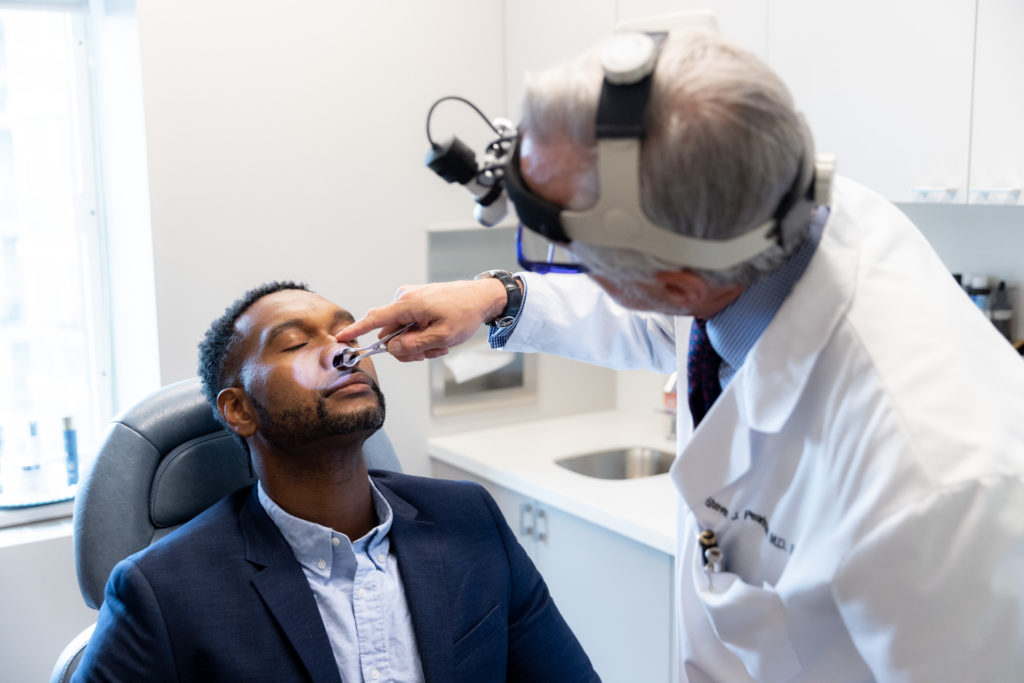
At Pearlman Aesthetic Surgery, Dr. Steven Pearlman approaches each revision case with careful analysis, advanced surgical technique, and an artistic understanding of facial harmony. He tailors every treatment plan to the individual patient, crafting results that look balanced and natural.
If you are considering tip revision rhinoplasty, scheduling a consultation with Dr. Pearlman can help you better understand your options and determine whether a nasal tip refinement may help you achieve the results you have been looking for.