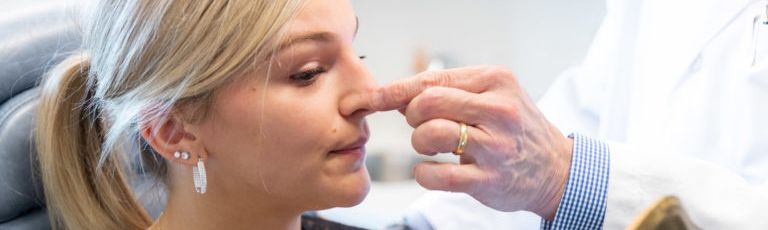

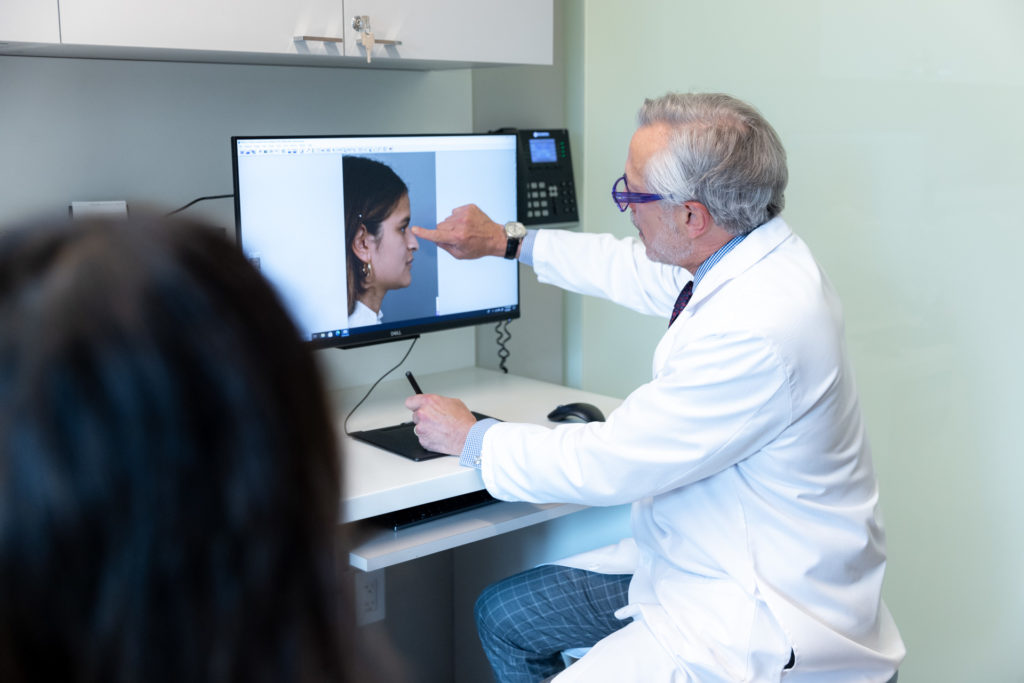
Rhinoplasty often represents the culmination of careful research, thoughtful planning, and the decision to invest in a lasting change. However, what happens after surgery plays just as important a role in the final results as the surgery itself.
Recovery, attentive care, and long-term maintenance are all essential steps in the journey toward the best rhinoplasty results. In the days and weeks following surgery, subtle changes unfold.
At Pearlman Aesthetic Surgery in Manhattan, leading rhinoplasty surgeon Dr. Steven Pearlman guides patients through each stage of this process with the same level of care and precision that defines the surgery itself.
By understanding what to expect after rhinoplasty and how to care for the nose as it heals, patients can play an active role in refining and preserving their results.
In the blog, we explore the early recovery timeline, essential post-operative care strategies, and long-term habits that help rhinoplasty results to remain refined, balanced, and lasting.
Understanding Rhinoplasty
Before discussing recovery, it helps to understand the nature of rhinoplasty itself. Rhinoplasty is one of the most frequently performed procedures in facial plastic surgery, while also being among the most technically complex.
The goal of this procedure is to reshape and refine the nose in a way that enhances facial harmony while improving nasal function when needed. Because the nose sits at the center of the face, it also sits at the center of facial balance.
Even subtle structural changes require careful planning and precise surgical execution. But just as important as the initial rhinoplasty procedure is the healing process that follows.
Recovery after rhinoplasty varies from patient to patient depending on several factors, such as the surgical technique used, nasal anatomy, and how closely post-operative care guidelines are followed.
Following the detailed aftercare instructions provided by Dr. Pearlman is one of the most important steps a patient can take to support the healing process and help secure the best rhinoplasty results.

Rhinoplasty Recovery at a Glance
| Recovery Stage | What Patients Typically Experience | What to Do |
| First 3 to 5 Days | Swelling, mild bruising, and nasal congestion | Rest, head elevation, and taking prescribed medication |
| Week 1 | Splint removal (if used), early swelling reduction | Gentle care and follow-up appointment |
| Weeks 2 to 4 | Bruising fades, swelling continues improving | Return to light activity at 2 weeks. Full exercise at 3 weeks |
| 1 to 5 Months | Nasal contours refine, breathing improves | Protect the nose and maintain healthy habits |
Immediate Post-Operative Care: The First Few Days
For the first several days after rhinoplasty, patients should focus on protecting the surgical work and allowing the body to begin the healing process. The days immedaitely after rhinoplsaty, you can expect:
- Swelling and Bruising: Facial swelling peaks within the first 48 to 72 hours after rhinoplasty. This is completely normal. Bruising may also develop around the eyes, but both symptoms typically improve over the following week.
- Temporary Nasal Congestion: Because of internal swelling and the presence of splints or packing, breathing through the nose may be limited initially. This temporary congestion improves gradually as swelling decreases.
In Manhattan, Dr. Pearlman’s detailed post-care instructions help patients navigate this critical recovery period successfully. Following these recommendations helps to secure the best rhinoplasty results.
-
Managing Initial Discomfort
Most patients experience mild-to-moderate discomfort. Rather than sharp pain, the sensation usually feels like pressure or congestion within the nose. Use any prescribed medications to keep comfortable during this early phase.
Dr. Pearlman rarely uses nasal packing any more. This significantly reduces post operative discomfort.
-
Activity Restrictions
Patients should rest with their head elevated at 30 to 45 degrees to help minimize swelling. Strenuous activity, bending, and heavy lifting should be avoided during this time.
-
Medication and Aftercare
Follow prescribed medication schedules, which can include antibiotics to prevent infection, to support optimal healing and the best rhinoplasty results possible.
Common Early Symptoms After Rhinoplasty
| Symptom | Why It Happens | When It Improves |
| Swelling | Normal inflammatory response after surgery | Begins improving after 2 to 3 days |
| Bruising around eyes | Blood vessels affected during surgery | Usually fades within 7 to 10 days |
| Nasal congestion | Internal swelling or temporary packing | Gradually improves during the first few weeks |
| Mild discomfort | Tissue healing and natural inflammation | Managed with prescribed medications |
| Fatigue | Body recovering from surgery | Typically resolves within several days |
Week 1: Building the Foundation for Healing
The first week post-rhinoplasty establishes the foundation for long-term results. During this time, patients often notice steady improvements in both comfort and appearance.
-
Splint Removal
If he placed external nasal splints as part of surgery, Dr. Pearlman usually removes them after 6 to 8 days. This visit to our New York office also allows Dr. Pearlman to evaluate the early healing process and provide guidance for the following stages of recovery.
-
Decreasing Swelling
Although some swelling still remains, the most noticeable facial swelling often begins to diminish during this week. Using cold compresses on the cheeks and maintaining head elevation will continue to help reduce residual swelling.
-
Gradual Improvement in Breathing
As internal swelling decreases, nasal breathing gradually improves. However, a complete resolution may take several weeks.
-
Return to Light Activity
Many patients feel comfortable returning to desk work and light daily activities by the end of the first week, although they should continue to avoid strenuous exercise.
-
Maintaining Proper Sleep Position
Sleeping with your head elevated remains important through the first week to support the best rhinoplasty results.
Helpful Tips for Week 1 Recovery
Beginning the day after your surgery near Lennox Hill, these few do’s and don’ts help the initial healing process and set patients up for the best rhinoplasty results.
Do:
- Do keep the nasal splint dry.
- Do rest and avoid activities that cause sweating.
- Do use cold compresses on the cheeks during the first 2 days.
- Do clean external incisions gently if instructed.
- Do brush teeth carefully and avoid excessive movement of the upper lip.
Don’t:
- Don’t forcefully breathe through or sniff with the nose.
- Don’t insert anything into the nostrils unless directed by your surgeon.
- Don’t engage in strenuous exercise during the early healing period.

Weeks 2 to 4: Visible Improvements
As patients move into the second stage of recovery, many of the more noticeable signs of surgery fade. This period often brings significant improvements in comfort and appearance.
-
Resolution of Bruising
Most bruising around the eyes has significantly improved by the second week. Any remaining discoloration can usually be concealed with makeup.
-
Continued Reduction in Swelling
While major swelling subsides during this stage, mild puffiness (especially at the nasal tip) may persist for several months. This is a normal part of the healing process.
-
Gradual Return to Exercise
After week 2, patients can usually resume light cardiovascular exercises, like walking. More intensive exercise can resume at 3 weeks.
-
Social and Professional Activities
Most patients feel comfortable returning to social activities and work during this period. Many obvious signs of the surgery have largely resolved.
-
Sun Protection
Protecting the nose from sun exposure becomes very important during this phase of healing. Reducing UV exposure helps to prevent hyperpigmentation and supports optimal scar healing.
Helpful Tips for Weeks 2 to 4
Do:
- Do use saline spray or moisturizing ointments if dryness occurs.
- Do wash the nose gently using mild cleansers.
- Do continue protecting the nose from excessive sun exposure.
Don’t:
- Don’t rest glasses directly on the nasal bridge until cleared by your surgeon. We can give you a splint to use under glasses for the first 6 weeks post op.
1 to 3 Months: Continued Refinement
This is considered the intermediate recovery phase, and it is the last phase before the final stages of the healing process. At this point, the nose continues to refine as the deeper healing processes progress.
-
Defining the Nasal Tip
The nasal tip typically takes the longest to settle after surgery. During this period, its shape becomes more defined as residual swelling slowly resolves.
-
Improving Sensation
Temporary numbness around the nose or upper lip may occur after rhinoplasty. Sensation usually improves gradually during this stage of the healing process.
-
Improved Breathing
Nasal breathing continues to improve as internal healing processes and residual swelling diminish.
-
Emotional Adjustment
Patients often experience increased confidence as they become accustomed to their new nose shape and receive positive feedback from others.
Recovery Tips for the First 3 Months
During this stage of healing, continued attention to care helps protect the best rhinoplasty results.
Do:
- Do apply SPF 30 or higher daily.
- Do avoid contact sports and situations that could injure the nose.
- Do use gentle skincare products.
- Do keep nasal passages hydrated with saline sprays if recommended.
Don’t:
- Don’t blow the nose forcefully.
- Don’t consider the healing process fully complete.
Even as the nose appears mostly healed externally, subtle internal healing may continue for several months.
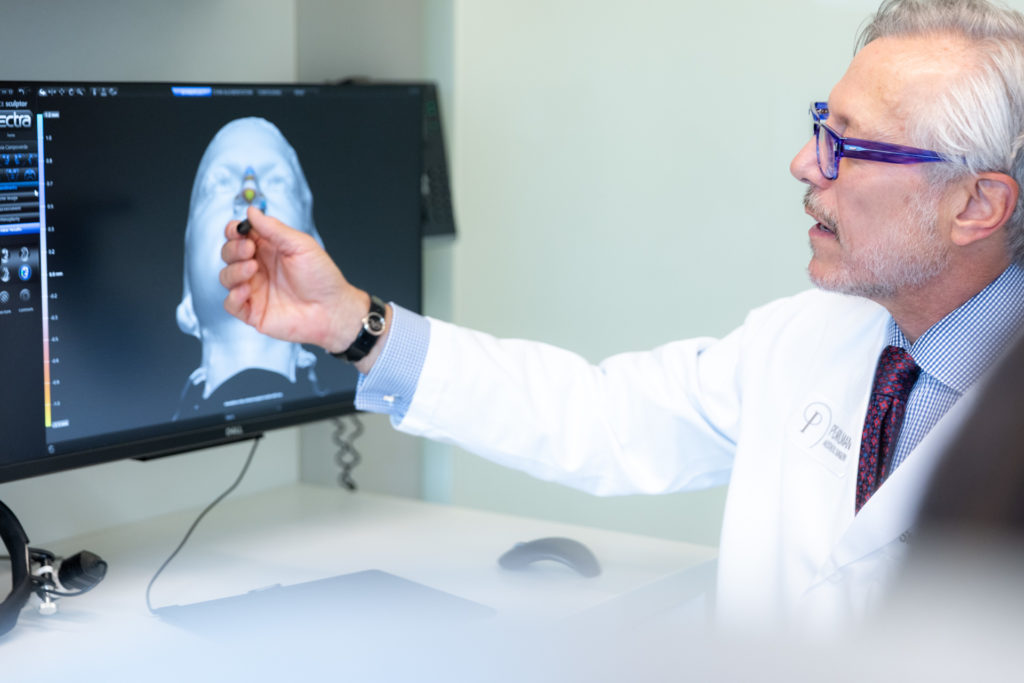
Start Your Journey Toward Refinement
In Manhattan, patients seeking rhinoplasty expect results that look refined, balanced, and completely natural. Achieving that outcome depends not only on surgical skill but also on how the nose heals in the months following the procedure.
At Pearlman Aesthetic Surgery, Dr. Steven Pearlman—one of the top nose surgeons in New York City—emphasizes that the best rhinoplasty results require both expert surgical technique and thoughtful post-operative care.
By guiding patients through each stage of recovery, he helps every rhinoplasty to reflect the balance, artistry, and precision that define his approach.
If you are ready to explore how rhinoplasty can enhance facial harmony and how proper recovery supports your results, contact Pearlman Aesthetic Surgery near Lennox Hill to schedule a personalized consultation.