

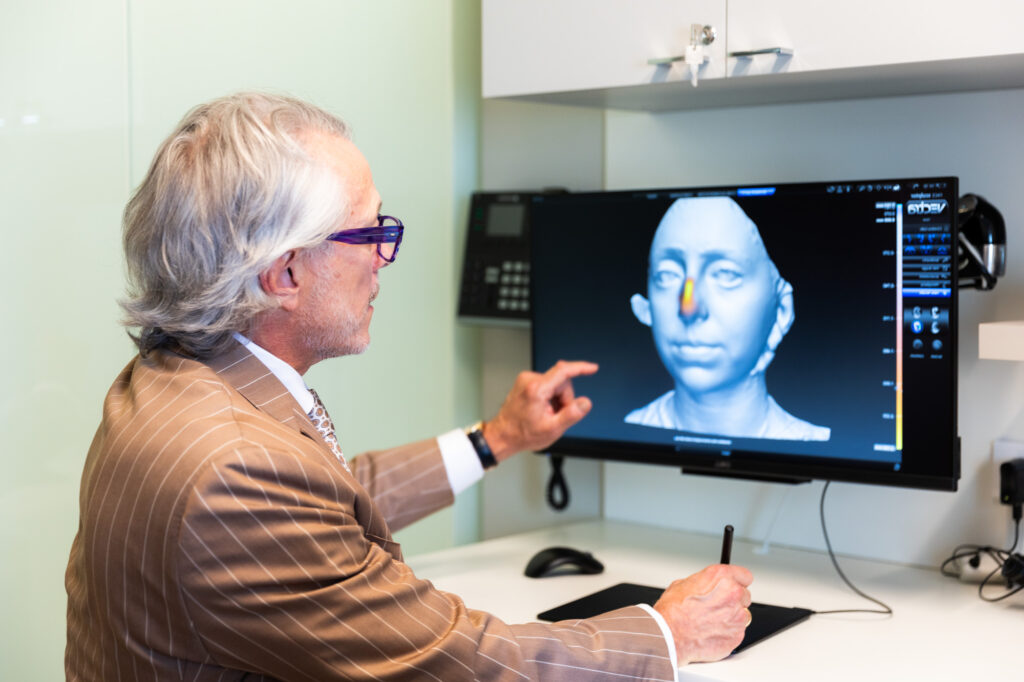
The nasal tip is often one of the first features people notice about the nose, and even subtle differences in its shape can significantly influence overall facial balance. When the tip appears rounded, wide, or undefined, patients may describe it as “bulbous” and feel that it draws attention away from their eyes or other facial features.
While many assume correcting a bulbous tip simply means making the nose smaller, the reality is far more complex. Bulbous rhinoplasty in New York City requires a sophisticated understanding of nasal anatomy, structural support and function, and facial harmony.
As an internationally recognized facial plastic and rhinoplasty specialist, Dr. Steven Pearlman approaches bulbous tip correction with a personalized philosophy of care. In every rhinoplasty, Dr. Pearlman focuses on preserving function, maintaining structural integrity, and achieving elegant results that complement each patient’s individual features.
Understanding the nuances of bulbous tip correction helps patients appreciate the expertise required to achieve exceptional outcomes.
In this guide, our team at Pearlman Aesthetic Surgery outlines why a nose may appear bulbous, why this form of rhinoplasty is technically demanding, and what to expect from recovery and refinement.
A Look Ahead
- Possible Causes of a Bulbous Nasal Tip
- Bulbous Tip vs. Boxy Tip
- Why Rhinoplasty Is the Gold Standard for Bulbous Tip Correction
- Why Bulbous Rhinoplasty Is So Technically Demanding
- Getting Ready for Your Bulbous Rhinoplasty
- Supporting a Smooth Recovery After Bulbous Rhinoplasty
Possible Causes of a Bulbous Nasal Tip
A “bulbous” tip refers to a nasal tip that appears excessively round, wide, or heavy. Rather than having proper definition and contours, the tip may look enlarged when viewed from the front or a 3/4 angle.
A bulbous appearance can develop for several anatomical reasons. Identifying the underlying cause informs the rest of your treatment planning.
Thick Skin
Some patients naturally have thicker skin over parts of the nose. Thick skin can soften underlying contours and obscure tip definition, making the nose appear fuller, even if the supporting cartilage is a normal shape.
Because skin quality and thickness directly influence surgical outcomes, treatment planning must account for how the skin will heal and contract over newly refined structures.
Lower Lateral Tip Cartilage Shape
The lower lateral cartilages form the structural framework of the nasal tip. In many patients with a bulbous nose, these cartilages are excessively convex, creating outward fullness that contributes to a rounded appearance.
Rather than simply removing cartilage, modern techniques for bulbous rhinoplasty in New York City reshape and reposition these structures to create more elegant contours while maintaining support.
Tip Size and Position
The orientation and width of the tip cartilages can also affect tip shape. Overly broad or projected cartilage may create a less refined appearance, even when other aspects of the nose are balanced.
Combination Anatomy
Many patients have more than one contributing factor. Thick skin, broad cartilages, and structural positioning often interact to create the overall appearance of a bulbous tip.
For this reason, surgeons must tailor every bulbous rhinoplasty in New York City plan to the individual. They cannot evaluate the nose and concerns as isolated parts. Instead, they should view it as a three-dimensional structure that functions dynamically and exists in relationship to the entire face.
Bulbous Tip vs. Boxy Tip
Although these terms are sometimes used interchangeably, a bulbous tip and a boxy tip represent different anatomical concerns regarding the nose.
- A bulbous tip appears rounded because the tip cartilages are broad and curve outwards. The contours tend to look smooth and circular.
- A boxy tip appears more square or rectangular, especially when viewed from below. The defining points of the tip are wider apart and flatter, creating a broader geometric and angular appearance rather than a rounded one.
While they may seem similar, each of these tip types requires a different surgical strategy. Precise diagnosis allows your surgeon to select the techniques most likely to create natural, balanced refinement.

Why Rhinoplasty Is the Gold Standard for Bulbous Tip Correction
Patients occasionally ask whether non-surgical treatments can improve a bulbous nasal tip.
While injectable fillers and non-surgical treatments may camouflage certain contour concerns on the nose, they cannot reduce cartilage size, address thick skin, or improve tip support. As a result, they are not an effective solution for true bulbous tip anatomy.
Bulbous rhinoplasty in New York City remains the most predictable and comprehensive treatment, because it directly addresses the structural factors responsible for the shape of the tip.
Through careful cartilage modification and support techniques, rhinoplasty can improve definition while maintaining the strength and stability of the nose.
Why Bulbous Rhinoplasty Is So Technically Demanding
Rhinoplasty is considered one of the most complex procedures in facial plastic surgery. Refining the nasal tip adds another level of difficulty, because even minor adjustments can dramatically affect the final appearance.
One of the genuine challenges of bulbous rhinoplasty lies in creating definition without compromising structure.
Historically, surgeons often relied on aggressive cartilage removal to narrow the tip. While this can create a smaller tip appearance, excessive reduction also frequently leads to long-term complications. These include asymmetry, collapse, pinching, and breathing problems.
The Modern Rhinoplasty Difference
Modern rhinoplasty emphasizes preservation, reshaping, and structural support. When planning bulbous tip correction, your surgeon must evaluate several factors simultaneously:
- Cartilage strength and shape
- Skin thickness
- Tip projection
- Tip rotation (how far it sticks out from the face)
- Nasal symmetry
- Facial proportions
- Airway function
A surgeon must also consider every change from multiple viewing angles. A refinement that appears attractive when looking at the profile must also look natural from the front and during expressions.
This level of precision is one reason patients seek out surgeons with extensive rhinoplasty experience when considering tip-focused procedures.
What Happens Before Bulbous Rhinoplasty
In New York City, finding the right rhinoplasty surgeon is the first step in your rhinoplasty journey. It’s essential to select someone skilled in bulbous tip surgeries with a proven history of success.
A comprehensive evaluation of their past work, including before-and-after photos and patient feedback, can help you make an educated choice.
The surgeon should also give you a detailed explanation of how they plan to address the bulbous nasal tip, so you can confirm they tailor their procedures to your exact anatomy.
Outlining Your Surgery During the Consultation
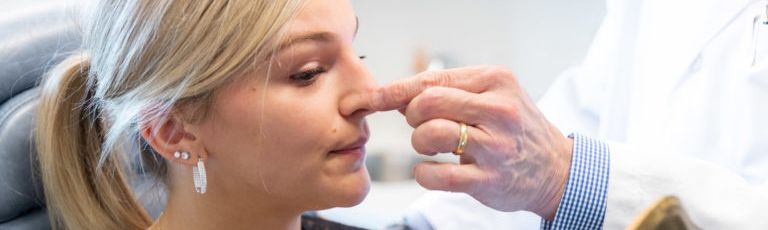
During your consultation, Dr. Pearlman performs a comprehensive analysis of nasal anatomy, facial proportions, skin quality, and functional concerns. He also takes time to understand your goals and expectations.
The consultation provides an opportunity to discuss:
- Which aspects of the nose concern you most
- What contributes to your bulbous tip anatomy
- Potential treatment approaches
- Expected improvements
- Recovery timelines
A thoughtful consultation sets realistic expectations and helps align your surgical goals with the anatomical possibilities.
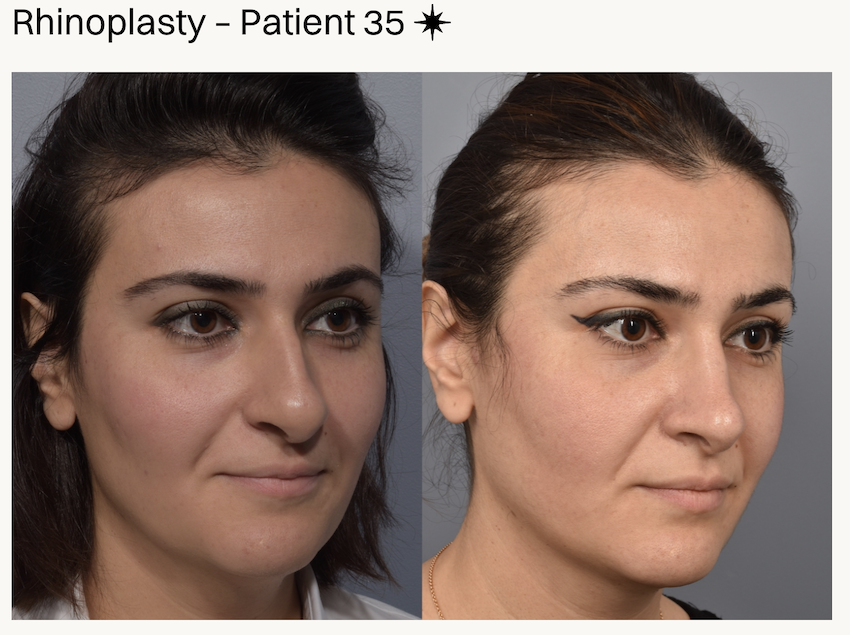
Supporting a Smooth Recovery After Bulbous Rhinoplasty
The recovery process contributes significantly to your optimal rhinoplasty result. While improvements become visible as swelling subsides, the nose continues to heal and refine for many months after surgery. Out of all the parts on the nose, the tip takes the longest time to heal
Following any post-operative instructions from your surgeon can support healing and protect your surgical outcome.
Follow Your Aftercare Instructions
Surgeons tailor every rhinoplasty procedure to the patient, and recovery instructions are equally personalized. Dr. Pearlman and his team provide detailed guidance regarding medications, activity restrictions, incision care, and follow-up appointments.
Adhering closely to these recommendations both promotes proper healing and minimizes the risk of complications.
Listen to Your Body
Healing is a gradual process, and patients should expect some swelling, congestion, and mild discomfort during the early stages of recovery. However, you should remain attentive to any unexpected symptoms and contact your surgical team if you notice new or worsening symptoms.
Maintaining open communication throughout recovery allows us to address potential issues promptly and keeps the healing process on track.
Sleep with Your Head Elevated
Keeping the head elevated during the first week after surgery can help reduce swelling and support healing. We advise patients to sleep on their back with their head raised on at least three pillows or a foam wedge.
Avoiding pressure on the nose is particularly important during the early stages of recovery, as the nasal structures continue to stabilize and heal.
Prioritize Rest During Early Recovery
The body heals the most during periods of rest. In the days following surgery, patients should allow adequate time for recovery rather than attempting to resume normal activities too quickly.
After the first few days of recovery, we often recommend light walking to promote circulation. However, avoid strenuous exercise, heavy lifting, and activities that elevate blood pressure for 3 weeks or until cleared by your surgeon.
Stay Hydrated and Maintain Good Nutrition
Proper hydration and balanced nutrition also aid your body as it recovers. Drinking plenty of water and eating nutrient-rich foods may support the body’s natural healing response.
Patients should focus on meals that include lean proteins, fruits, vegetables, and other whole foods during the recovery period. Limiting excess sodium may also reduce postoperative swelling. Following an anti-inflammatory diet is best.

Frequently Asked Questions About Bulbous Rhinoplasty
Before pursuing any procedure, it is natural to have some questions. Here are some frequent discussions we have at Pearlman Aesthetic Surgery.
What Happens During Bulbous Rhinoplasty?
Surgeons typically perform bulbous rhinoplasty in New York City on patients under anesthesia in an accredited surgical setting. It can also be performed under local anesthesia in some patients.
Once they create access to the underlying structures, they spend the procedure reshaping and refining the nasal tip framework.
Depending on the patient’s anatomy, a bulbous rhinoplasty in New York City may involve:
- Cartilage reshaping
- Cartilage repositioning
- Tip-defining sutures
- Structural grafting
- Support enhancement
- Correction of associated asymmetries
Throughout the procedure, the objective remains the same: creating improved definition while preserving a natural appearance that complements the other features.
The most successful rhinoplasty results appear refreshed, balanced, and more harmonious overall—without seeming overly altered.
What surgical techniques refine a bulbous tip?
No single technique is appropriate for every patient. Surgical planning considers the individual’s anatomy and aesthetic goals for bulbous rhinoplasty. In New York City, Dr. Pearlman uses several advanced surgical techniques.
Cartilage Reshaping
The most common approach involves modifying the shape of the lower lateral cartilages. Rather than removing large portions of this support, surgeons frequently reshape existing structures to create smoother contours and improved definition. The ideal tip shape is triangular instead of round or V shaped.
Advanced Suturing Techniques
Specialized sutures can alter cartilage position and shape without weakening support.
These techniques allow your surgeon to narrow, refine, and define the tip while maintaining structural integrity. Strategic suturing often plays a major role in creating natural-looking outcomes.
Structural Grafting
In some patients, cartilage grafts provide additional support and refinement.
Grafts can strengthen the nasal framework, improve symmetry, and create long-term stability. They are particularly valuable when significant reshaping is required or when support structures are naturally weak.
Why does experience matter?
Bulbous tip correction demands a sophisticated understanding of nasal structure, facial aesthetics, and long-term healing behavior.
Every adjustment must balance beauty, stability, and function.
At Pearlman Aesthetic Surgery, Dr. Steven Pearlman combines advanced rhinoplasty expertise with an artistic approach to facial harmony, creating results tailored to the individual rather than a standardized aesthetic ideal.
Patients considering bulbous rhinoplasty in New York City should view selecting an experienced rhinoplasty specialist as one of the most important factors in achieving a refined, natural-looking outcome that stands the test of time.
Schedule a Bulbous Rhinoplasty Consultation at Pearlman Aesthetic Surgery
Refining a bulbous nasal tip requires a sophisticated understanding of nasal anatomy, structural support, and facial aesthetics. The process not only reduces fullness but should create definition and balance while preserving the natural character and function of the nose.
At Pearlman Aesthetic Surgery, Dr. Steven Pearlman applies decades of rhinoplasty expertise to develop individualized surgical plans tailored to each patient’s anatomy.
If you are considering bulbous rhinoplasty in New York City, schedule a consultation to learn how a personalized rhinoplasty approach helps you achieve your goals.