


Breathing through your nose should feel effortless. Yet many people spend years dealing with chronic congestion, poor sleep, exercise limitations, and recurring sinus issues without realizing that the source of their symptoms may not be allergies or a lingering cold.
In many cases, the problem is structural.
Internal nasal anatomy can restrict airflow, making it difficult to breathe comfortably, no matter how many medications or treatments you try.
At Pearlman Aesthetic Surgery, patients exploring functional rhinoplasty in New York City often arrive after years of frustration. They’ve tried nasal sprays, antihistamines, and decongestants, only to see their symptoms returning again and again. When structural issues are responsible, surgery may provide the long-term solution that medications cannot.
In this blog, we explore 7 common signs that your breathing difficulties come from your nasal anatomy rather than seasonal allergies or temporary congestion, and what can be done to restore healthy airflow.
Why Structural Nasal Problems Are Often Missed
Many breathing concerns produce symptoms that closely resemble allergies, sinus infections, or seasonal congestion. Because of this overlap, patients assume their symptoms come from one of these causes.
While allergies, illness, and inflammation can certainly contribute to nasal obstruction, they are not always the primary cause.
Patients can also experience restricted airflow from structural issues, such as:
- A deviated septum
- Narrowed nasal valves
- Enlarged turbinates
- Previous nasal trauma
- Previous nasal surgery
If medications only provide temporary relief, or no relief at all, it may be worth investigating possible anatomical factors.
Structural Signs of Nasal Breathing Problems
If you’ve been struggling with persistent nasal congestion, frequent headaches, or restless nights, your body (and your nose) might be sending you important signals.
Structural issues within the nose can create a cascade of symptoms that affect everything from your sleep to your energy levels throughout the day. Understanding these symptoms before seeking a thorough evaluation by an experienced functional rhinoplasty specialist helps patients determine whether surgical treatments may help.
1. Chronic Nasal Congestion That Never Fully Goes Away
Persistent congestion is one of the most common reasons patients seek functional rhinoplasty.
Unlike a cold or seasonal allergies, structural congestion tends to remain present year-round. Some patients notice one side of the nose always feels blocked, while others feel restricted on both sides.
Many describe constantly shifting positions while sleeping, or relying on nasal sprays just to breathe comfortably. Even when symptoms temporarily improve, they rarely disappear completely.
If you’ve been dealing with ongoing stuffiness or trouble breathing for months or years, a structural obstruction may be limiting airflow.
2. Frequent Sinus Infections
Healthy sinuses rely on proper drainage and ventilation. When internal nasal structures block these pathways, mucus can become trapped, creating an environment that leads to inflammation and infection.
Patients with structural nasal issues often experience recurring sinus infections that seem to return shortly after treatment.
Common symptoms include:
- Facial pressure
- Headaches around the forehead and cheeks
- Nasal congestion
- Thick nasal drainage
- Reduced sense of smell
While antibiotics may temporarily resolve an infection, they cannot correct the anatomical problem that contributes to repeated episodes.
3. Poor Sleep and Nighttime Breathing Problems
The quality of your breathing directly affects the quality of your sleep. When airflow becomes restricted, the body often compensates by mouth breathing. This can contribute to dry mouth, snoring, fragmented sleep, and feelings of fatigue during the day.
Many patients don’t initially connect their sleep challenges with a nasal obstruction. They may notice that they feel tired, wake frequently during the night, or struggle to maintain energy throughout the day.
After functional rhinoplasty, improved nasal airflow often allows patients to experience more restful sleep and better overall comfort.
4. Headaches and Facial Pressure
Structural nasal obstruction can create chronic pressure throughout the face and sinuses. Patients frequently report discomfort around the bridge of the nose, forehead, eyes, and cheeks.
These symptoms may become more noticeable during weather changes, exercise, or periods of increased congestion. Because this pain resembles sinus headaches, many patients spend years treating symptoms without identifying the underlying cause.
A comprehensive evaluation can determine whether nasal anatomy contributes to persistent facial pressure.
5. Recurring Nosebleeds or Nasal Dryness
Restricted airflow doesn’t just affect breathing. It can also alter the way air and moisture move through the nasal passages. When airflow becomes turbulent, certain areas of the nose may dry out more quickly than others.
Over time, this can lead to:
- Frequent nosebleeds
- Crusting inside the nose
- Persistent dryness
- Irritation and burning sensations
Although environmental factors contribute to these symptoms, structural narrowing often plays a role.
6. Difficulty Exercising
Exercise increases the body’s demand for oxygen. When patients have limited nasal airflow, they often notice more pronounced symptoms when exercising. Running, cycling, and other forms of movement may feel more challenging than they should.
Many people compensate by breathing through their mouth, but this approach often leads to throat dryness and discomfort. If nasal breathing feels like a workout, you may need to address a physical blockage with functional rhinoplasty in New York City.
7. Changes in Smell or Taste
Your sense of smell depends on air reaching specialized receptors located high within the nasal cavity. When airflow becomes obstructed, scents don’t reach these receptors effectively. As a result, patients sometimes notice a diminished ability to smell and taste.
Food may seem less flavorful, and familiar scents and smells may become more difficult to detect. Although smell loss can have many causes, chronic nasal obstruction is an important factor to consider during evaluation.
Restoring proper airflow with a functional rhinoplasty in New York City can often bring these senses back to life.
Functional Rhinoplasty: All You Need to Know
If you’ve experienced any of these symptoms, it may be time to consider a functional rhinoplasty. This surgery modifies the internal structure of the nasal tissues to improve nasal breathing. Most patients enjoy better health and an improved quality of life after the procedure.
Here are some of the most common questions we hear at Pearlman Aesthetic Surgery from patients considering surgical support.
What is a functional rhinoplasty?
Our functional rhinoplasty in New York City improves the way the nose works rather than focusing solely on appearance.
| Structural Issue | Potential Effect |
| Deviated septum | Restricted airflow |
| Nasal valve collapse | Difficulty inhaling |
| Enlarged turbinates | Chronic congestion |
| Previous nasal trauma | Airway obstruction |
| Congenital abnormalities | Impaired breathing |
Because form and function integrate together, many patients also notice aesthetic improvements following surgery. However, the primary objective is to restore healthy breathing.
What’s the difference between functional and aesthetic rhinoplasty?
While people often discuss functional and aesthetic rhinoplasty together, their main goals differ.
Functional rhinoplasty in New York City focuses on improving nasal airflow. It addresses structural issues inside the nose that interfere with breathing, such as a deviated septum, weakened nasal valves, or enlarged turbinate tissue.
While many patients also experience subtle aesthetic refinements as their surgeon restores proper nasal structure, the main goal is improved function.
Aesthetic rhinoplasty refines the external appearance of the nose. This may include adjusting the bridge projection, reshaping the tip, correcting asymmetry, or reducing a visible hump. Each procedure refines visual proportion, balance, and facial harmony.
Many times, the two approaches overlap, and Dr. Pearlman may recommend a single procedure to address both function and appearance, depending on the patient’s needs.

Who’s an ideal candidate for functional rhinoplasty?
Ideal candidates for functional rhinoplasty are patients who experience persistent breathing difficulties due to identifiable structural issues within the nose.
Common causes include:
- Deviated septum
- Enlarged turbinates
- Nasal valve collapse or narrowing
- Chronic obstruction from trauma or injury
- Congenital structural abnormalities
- Nasal polyps or internal blockage
In addition to these underlying conditions, good candidates typically:
- Have completed facial growth (generally 16 years or older)
- Are in good overall health
- Do not smoke, or are willing to stop during the healing period
- Have realistic expectations about surgical outcomes
Ultimately, the best way to determine your candidacy is through a detailed in-person evaluation. A consultation with a board-certified facial plastic surgeon can clarify whether structural anatomy contributes to symptoms.
What are the benefits of functional rhinoplasty?
The primary benefit of functional rhinoplasty is improved nasal airflow. When surgeons correct structural obstructions within the nose, patients can often breathe more freely, with a noticeable reduction in congestion, snoring, and nighttime disruptions.
Many patients also report broader improvements in day-to-day comfort, including:
- Easier breathing during exercise
- Reduced reliance on mouth breathing
- Reduced need for decongestant aids
- Improved sleep quality
- Decreased nasal pressure or facial discomfort
What is my first step for functional rhinoplasty?
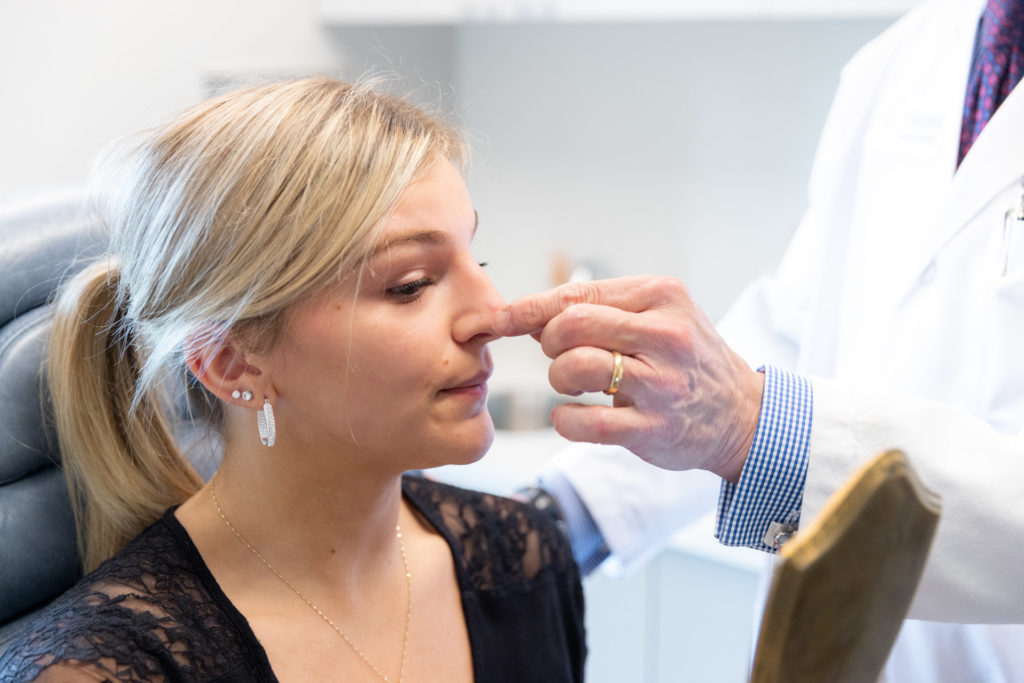
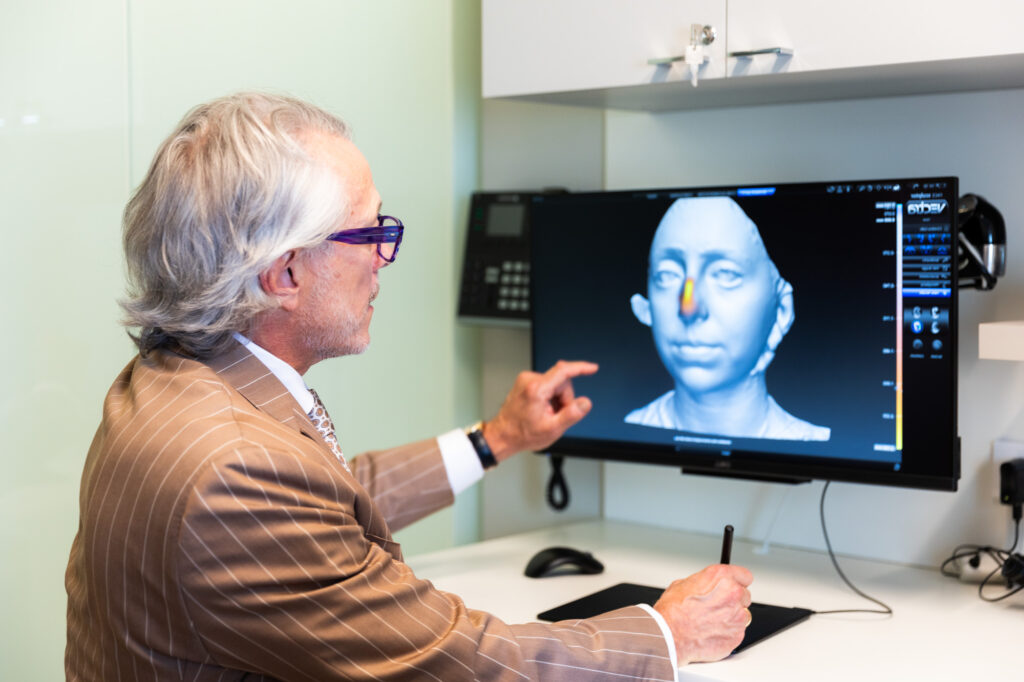
In New York City, if you’re struggling with nasal breathing and suspect a structural issue, your first step is a consultation with a rhinoplasty specialist, Dr. Pearlman.
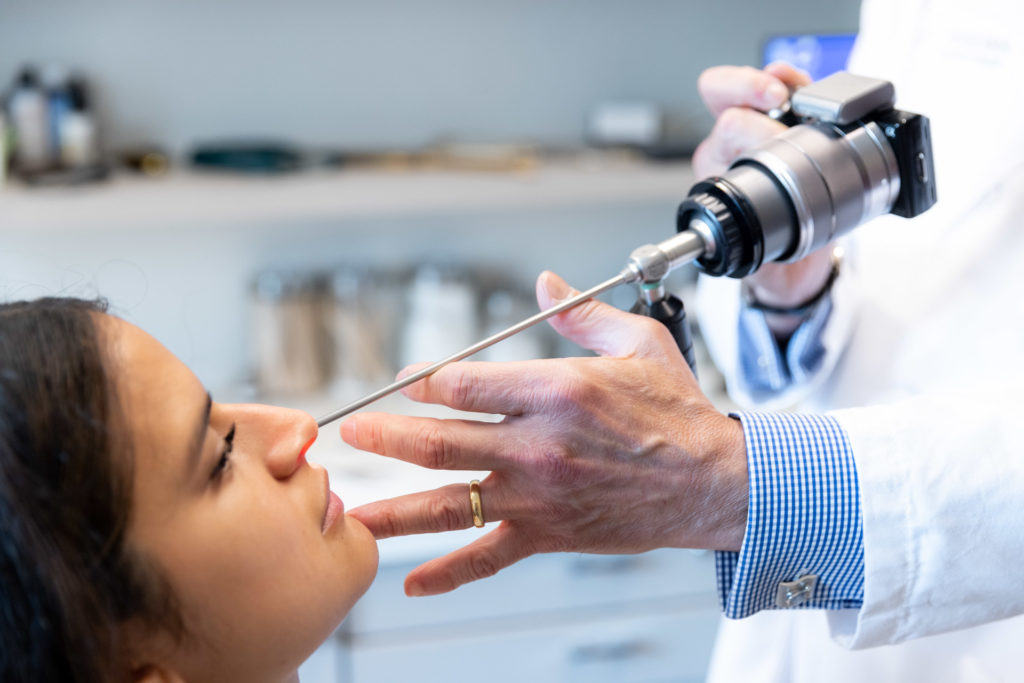
During this visit, he will take a detailed and methodical approach to understanding your concerns. This process typically includes:
- Full examination of internal and external nasal anatomy
- Review of your medical history and symptoms
- Assessment of airflow and structural support
- Discussion of whether you need additional imaging or endoscopic evaluation
- Development of a personalized treatment plan based on functional needs and any relevant aesthetic goals
You can also ask questions and review what recovery, expectations, and surgical planning might look like in your specific circumstances. This consultation should provide clarity, determining whether structural correction can meaningfully improve breathing.
Discover What’s Standing Between You and Better Breathing
If several of these signs sound familiar, look beyond temporary solutions and investigate whether the structure of your nose is contributing to your symptoms. While medications can manage inflammation and allergies, they cannot correct breathing issues completely.
For patients exploring functional rhinoplasty in New York City, an expert evaluation provides valuable answers and a clear path forward. At Pearlman Aesthetic Surgery, our team can determine whether structural factors affect your breathing and develop a personalized treatment plan tailored to your needs.
To learn whether functional rhinoplasty may be right for you, schedule a consultation and take the first step toward breathing more comfortably and confidently.