



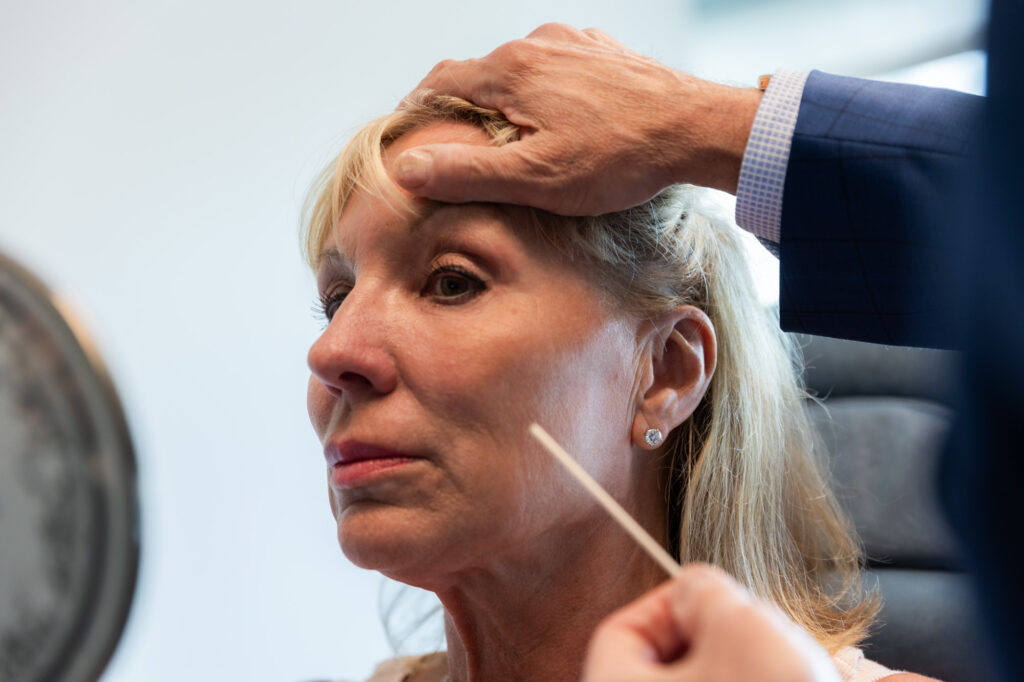
Facial balancing in Manhattan has changed the way patients think about facial rejuvenation. Rather than focusing on a single feature, sophisticated aesthetic plans consider how each contour, angle, and proportion works together to create a naturally harmonious appearance.
Subtle changes to the cheeks influence the jawline; under-eye volume affects how rested you look, and restoring one area often enhances the entire face.
That’s why at Pearlman Aesthetic Surgery, facial balancing begins with a thoughtful understanding of your anatomy, your goals, and the natural aging process.
By addressing the different layers of facial aging, our team creates personalized treatment plans designed to refresh your appearance while preserving what makes you uniquely you. In this blog, our team outlines why addressing facial aging often creates the most balanced outcome.
Understanding Facial Balancing
Rather than focusing on a single feature, facial balancing in Manhattan takes a comprehensive view of the face as a whole. Every contour, angle, and proportion influences the next, so even subtle changes can create a more harmonious overall appearance.
Facial balancing begins with understanding your unique anatomy. Changes to your face depend on your:
- Bone structure
- Soft tissue support
- Muscle movement
- Skin quality
- The natural aging process
These factors also influence which treatments will produce the most refined results. Instead of chasing trends or treating isolated concerns, our providers evaluate how each feature relates to the rest of your face.
Sometimes restoring support beneath the eyes creates a brighter appearance. In other cases, improving cheek projection naturally enhances the jawline. On the other hand, subtle chin refinement creates better profile balance without dramatically altering your appearance.
This individualized approach allows facial balancing to refresh your appearance while preserving the features that make you look like yourself.
Why Placement Matters More Than Volume
A common misconception surrounding aesthetic injectables is that better results come from using more product. In reality, exceptional outcomes depend far more on where a provider places a product than how much they inject.
Strategic placement allows experienced injectors to restore facial support, improve proportions, and create subtle lifting effects, even using surprisingly small amounts of filler.
Thoughtful placement considers:
- Bone structure and soft tissue support
- Facial movement and expression
- The relationship between neighboring features
- Long-term facial aging patterns
When providers place injectables without considering these factors, the results can appear heavy, overfilled, or disconnected from the rest of the face. Precision, on the other hand, creates refinement that looks effortless.
Areas That Often Influence Overall Facial Harmony
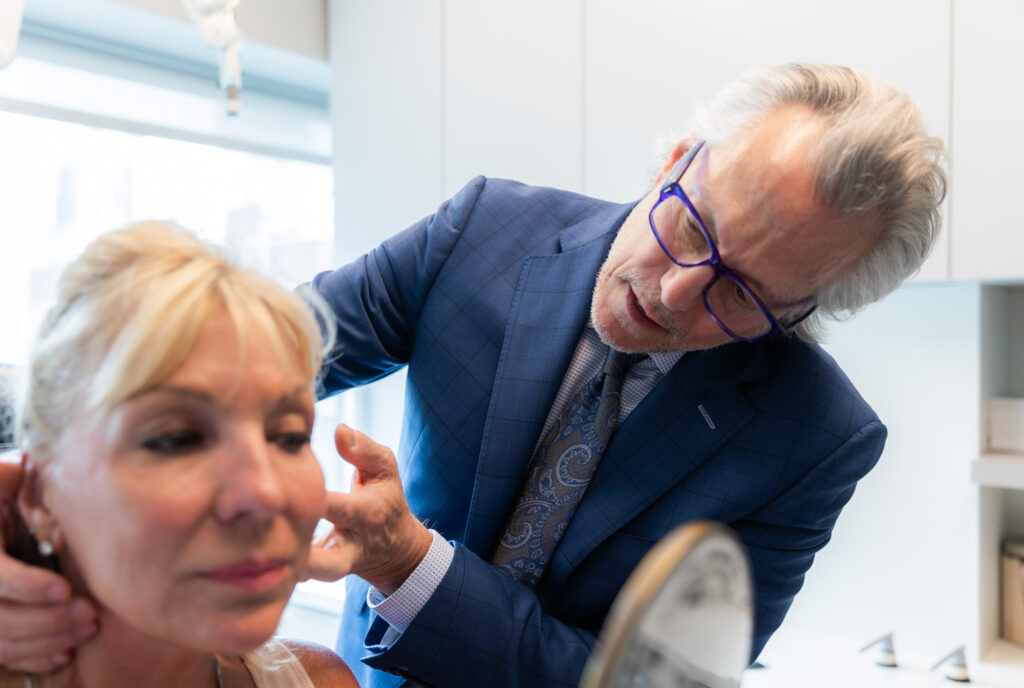
Facial balancing in Manhattan recognizes that improving one area can enhance several others.
Rather than treating features independently, experienced injectors understand how facial structures interact to create balance.
Midface and Cheeks
The cheeks provide much of the structural support for the central face. As collagen declines, the facial bony skeleton recedes and fat pads gradually descend with age, the midface can lose projection. This makes the under-eye area appear hollow while contributing to deeper smile lines.
Benefits of cheek filler may include:
- Improved facial contour
- Better support beneath the eyes
- Softer nasolabial folds
- More youthful facial proportions
Carefully restoring support to the cheeks often creates a naturally refreshed appearance without adding unnecessary volume elsewhere.
Jawline and Chin
The lower face plays an important role in overall facial balance. Even a slightly recessed chin or poorly defined jawline can influence how the nose, lips, and cheeks appear in profile.
Strategic jawline enhancement can:
- Improve profile harmony
- Create better facial proportions
- Strengthen jawline definition
- Support a smoother transition between the face and neck
Facial balancing focuses on restoring or improving facial architecture, including foundational features in the lower face.
Under-Eye Area
The eyes naturally draw attention during conversation, making the under-eyes one of the most important areas in facial balancing and rejuvenation.
Volume loss beneath the eyes often creates shadows that make patients appear tired, even when they’re well-rested.
Because the tear trough has delicate anatomy, successful treatment requires precise product selection and meticulous placement. Even small adjustments have the potential to brighten the entire face while maintaining a completely natural appearance.
Nasolabial Folds and Marionette Lines
Many patients initially believe these folds should get filled directly. However, nasolabial and marionette lines frequently develop because the surrounding facial structures have lost support.
By restoring volume higher in the face when appropriate, providers can often smooth out these areas while maintaining natural movement and expression.
This comprehensive strategy reflects the philosophy behind facial balancing: treating the cause rather than simply masking the symptom.
Temples
Temple hollowing is one of the most overlooked signs of facial aging. As volume diminishes in the upper face, the forehead may appear wider while the outer eye loses support.
Restoring subtle fullness in this area smooths facial transitions and improves overall proportion without drawing attention to the added volume.
Why Full-Face Assessment Matters
Many patients arrive focused on a single concern. They may request treatment for under-eye hollows, thinning lips, or smile lines, because those are the changes they notice first in the mirror.
While we do address these concerns, they often represent just one piece in the much larger picture of facial balancing.
In Manhattan, the Pearlman Aesthetic Surgery team begins by evaluating how every facial feature relates to the next. Rather than asking, “How much volume should I add?” experienced injectors ask, “Why has this area changed?”
Looking at the face holistically often allows providers to use less product while creating more noticeable improvement. Small refinements across carefully selected areas frequently produce a more balanced outcome than aggressively treating an isolated feature.
Avoiding Common Mistakes
Natural-looking results begin with thoughtful planning. Many “unnatural” filler results don’t come from the filler itself. That appearance forms when a provider treats isolated areas without considering the face as a whole.
Adding volume where it isn’t needed, trying to target individual lines, or repeatedly treating the same area can gradually disrupt facial balance.
Other common pitfalls of refinement include:
- Over-correcting volume loss
- Ignoring facial proportions
- Treating features without evaluating their movement
- Using identical treatment plans for different facial anatomies
- Prioritizing trends over individualized care
At Pearlman Aesthetic Surgery, every treatment recommendation begins with a careful analysis of your features. Intentional and tailored treatments allow subtle refinements that evolve naturally over time while preserving facial expression and individuality.
Understanding the Layers of Facial Aging
One reason facial balancing in Manhattan has become such an effective approach is that aging rarely affects only one layer of the face. Instead, multiple anatomical structures gradually change over time, and each element of those changes contributes to your overall appearance.
While many patients notice volume loss or wrinkles first, those visible shifts often stem from deeper structural shifts occurring beneath the skin.
Understanding these layers allows your provider to recommend treatments that address the source of the concern more effectively.
Types of Facial Aging
Facial aging involves several interconnected changes that occur simultaneously, including:
- Bone remodeling and recession, which gradually reduces structural support throughout the cheeks, jawline, and eye area.
- Fat compartment changes, which cause some areas to lose volume while others descend with gravity.
- Collagen and elastin loss, which leave the skin thinner, less resilient, and more prone to laxity.
Muscle movement, which contributes to dynamic lines while influencing how facial expressions evolve.
Treating only one of these changes rarely produces the most natural result.
For example, filling a deep smile line without restoring support through the midface may soften the crease temporarily, but it doesn’t address the source of the fold.
By understanding how the different layers of skin and tissue interact and change with age, providers can create treatment plans that restore facial harmony.

Personalized Treatment Always Comes First
No two faces age alike, which means no two treatment plans should look alike either. Successful facial balancing in Manhattan begins with understanding how your facial structure has changed over time, offering insights for how to rebuild it naturally.
During your consultation, your provider will evaluate your:
- Facial proportions
- Skin quality
- Volume distribution
- Muscle movement
- Long-term aging patterns
This detailed assessment allows us to create a plan that respects your anatomy while supporting balanced, natural-looking rejuvenation.
Frequently Asked Questions About Facial Balancing
Facial balancing is a highly personalized form of aesthetic medicine, so it’s natural to have questions before deciding on your treatment approach.
Below, we’ve answered some questions our patients ask most often about facial balancing in Manhattan to help you better understand what to expect and how personalized treatment planning creates naturally refreshed results.
How is facial balancing different from getting fillers?
Although dermal fillers often play an important role, facial balancing is much more than just adding volume. Instead of treating a single concern in isolation, facial balancing evaluates how your facial features balance together as a whole.
Your provider considers your unique facial proportions, symmetry, skin quality, underlying anatomy, and natural aging process before recommending any treatment.
For many patients, facial balancing involves strategically placed hyaluronic acid fillers. Others may benefit from skin tightening procedures like Ultherapy or Sofwave,neuromodulators to relax overactive muscles, laser resurfacing to improve skin quality, or a combination of therapies.
Facial balancing should restore and refine harmony throughout the face while preserving what makes you uniquely you.
Am I a good candidate for facial balancing?
Many healthy adults who want subtle, natural-looking facial rejuvenation make excellent candidates for facial balancing. I
In Manhattan, some patients seek treatment because they notice age-related volume loss, while others want to improve facial proportions they’ve never felt fully confident about.
You may be a good candidate if you have concerns such as:
- Hollow cheeks or temples
- Under-eye volume loss
- Deep tear tear troughs
- A recessed chin or weak jawline
- Thin lips
- Mild facial asymmetry
- Early signs of facial aging
- Loss of definition along the jaw or midface
During your consultation, your provider carefully evaluates your anatomy, medical history, and aesthetic goals to determine which treatments can safely work towards the balanced appearance you’re looking for.
Will facial balancing make me look overfilled or unnatural?
Many people mistakenly believe that aesthetic injectables inevitably lead to an overfilled appearance. In reality, unnatural results usually occur when treatments focus on adding volume without considering overall facial harmony.
At Pearlman Aesthetic Surgery, we guide every treatment plan by assessing each patient’s unique facial proportions. Conservative placement, thoughtful product selection, and an artistic understanding of facial anatomy allow your provider to create subtle improvements that complement your existing features.
When done well, facial balancing helps you appear more rested, refreshed, and naturally rejuvenated.
Can facial balancing involve treatments other than fillers?
Absolutely. As one of its defining characteristics, facial balancing takes a comprehensive approach to facial rejuvenation.
Depending on your concerns, your personalized treatment plan may combine:
- Hyaluronic acid fillers
- Kybella
- Neuromodulators (like Botox)
- RF microneedling
- Laser skin rejuvenation
- Chemical peels
- Medical-grade skincare
- Ulthera
- Sofwave
Each treatment addresses a different aspect of facial aging, allowing your provider to improve facial harmony while enhancing skin quality, collagen production, and overall facial structure.
Why is a consultation so important before beginning treatment?
No two faces share the same anatomy, which means successful facial balancing always begins with careful evaluation, not a predetermined treatment plan.
During your consultation, your provider will assess your facial proportions, skin quality, movement, volume distribution, and long-term aging patterns before discussing your goals. This comprehensive assessment allows our team to recommend treatments that complement one another while enhancing your natural features.
Discover What Facial Balancing Can Achieve
No two faces age the same way, so no two treatment plans should be identical. The most successful aesthetic outcomes come from evaluating the complete picture before recommending any treatment for facial balancing.
In Manhattan at Pearlman Aesthetic Surgery, we focus on enhancing your natural features while respecting the qualities that make your appearance uniquely yours.
Schedule your consultation and learn how thoughtful balancing can create refined, lasting results that feel every bit as natural as they look.