

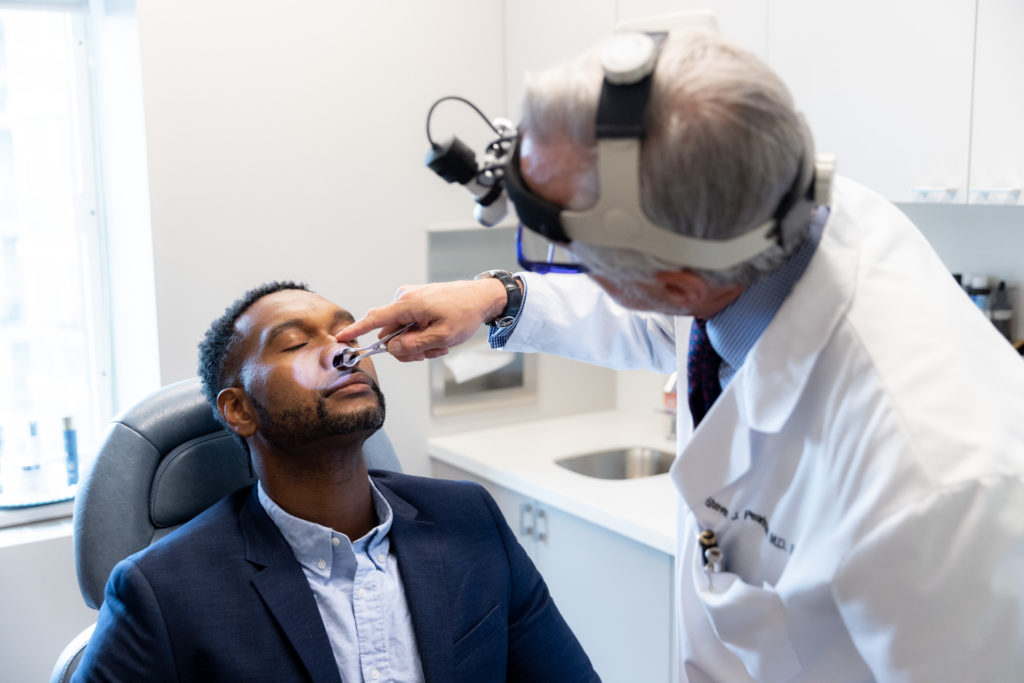
African-American rhinoplasty requires a highly individualized approach that extends far beyond simply reshaping the nose. Every patient arrives with unique anatomy, aesthetic goals, skin characteristics, and structural considerations that deserve thoughtful surgical planning.
Many patients want refinement from a rhinoplasty, with goals of improving balance and definition while preserving the natural features that contribute to their facial identity.
Achieving those results requires an understanding of nasal function alongside the subtle aesthetic nuances involved in ethnic rhinoplasty techniques.
At Pearlman Aesthetic Surgery, we approach African-American rhinoplasty in New York City with careful planning, advanced structural support, and a commitment to natural-looking results that remain harmonious with the rest of the face.
In this blog, we explore what patients should know before undergoing African-American rhinoplasty, including surgical considerations, common goals, recovery expectations, and the importance of experience for natural-looking results.
Understanding the Unique Anatomy of African-American Rhinoplasty
African-American rhinoplasty in New York City differs from many traditional rhinoplasty procedures because of the unique ethnic structural characteristics commonly seen within the nose.
While every patient’s anatomy is unique, certain features appear more frequently and influence surgical planning for African-American rhinoplasties.
These characteristics may include:
- A wider nasal base
- Thicker nasal skin
- Softer or weaker lower cartilage support
- Reduced bridge projection
- A broader or less-defined nasal tip
- Wider nostrils or increased nostril flare
These structural differences do not represent “problems” that need correction. Instead, they simply require a different surgical philosophy than the reduction-focused techniques often used in other patients.
In many African-American rhinoplasty procedures, the focus is less about removing tissue and more about strengthening and refining the nose while maintaining natural proportions.
Common Goals of African-American Rhinoplasty
Patients seeking African-American rhinoplasty in New York City often share one common goal: refinement without losing identity. Most patients are not looking for a completely different nose.
Instead, they want improvements that feel balanced, proportional, and authentic to their facial features.
Common Aesthetic Goals
| Concern | Common Surgical Goal |
| Wide nasal bridge | Improved contour and definition |
| Broad nasal tip | Enhanced tip refinement |
| Flat bridge profile | Increased projection and structure |
| Nostril flare | More balanced nostril width |
| Lack of tip projection | Better facial harmony |
| Asymmetry | Improved balance and proportion |
Many patients want to preserve the characteristics that make their appearance unique. This is one of the most important distinctions between modern ethnic rhinoplasty and traditional rhinoplasty.
Structural Support Matters
One of the biggest misconceptions about rhinoplasty is that it primarily involves reduction. In reality, African-American rhinoplasty often requires structural reinforcement rather than aggressive tissue removal.
Thick skin can place weight on the nasal framework, so excessive reduction can lead to collapse or breathing problems post-surgery. Because of this, surgeons frequently use structural grafting techniques to build and support the nose internally.
Tip definition in patients with thin skin might be achieved by trimming cartilage, In patients with thick skin and weak cartilage, we often use grafts to strengthen the cartilage so it presses into the skin creating more structure and defined features.
There are several surgical techniques a surgeon can use to support the nose internally while still refining the nose’s overall appearance and balance.
Cartilage Grafting
Cartilage grafts help strengthen and shape the nose while preserving long-term stability.
These grafts may be used to:
- Increase bridge definition
- Support the nasal tip
- Better tip definition
- Improve projection
- Prevent collapse
- Maintain airway function
In many cases, cartilage is taken from the nasal septum. However, if additional support is required, your surgeon may use cartilage from other parts of the body.
Tip Refinement
Patients with softer, bulbous nasal tips that have thicker skin may require surgical techniques like columellar struts or a caudal septal extension graft (stabilizing grafts placed between the lower nasal cartilages) and suture shaping to enhance definition while lifting the tip.
These methods help create an improved definition while preserving a natural appearance.

Preserving Breathing Function
Rhinoplasty is not purely cosmetic. The nose also serves an essential functional role in breathing, airflow regulation, and structural support.
Overly aggressive reduction techniques can weaken the internal nasal valves and compromise breathing function.
At Pearlman Aesthetic Surgery, preserving nasal function remains a central part of surgical planning.
Functional Concerns Addressed During Rhinoplasty
African-American rhinoplasty may also help improve:
- Nasal obstruction
- Difficulty breathing through the nose
- Nasal valve collapse
- Deviated septum issues
- Chronic congestion
- Snoring related to airway restriction
Maintaining structural integrity helps the nose continue to function properly long after surgery.
Surgical Pathways for an African-American Rhinoplasty
Modern African-American rhinoplasty relies on highly individualized techniques tailored to the patient’s anatomy and goals. For these procedures, surgeons generally choose 1 of 2 different pathways: open rhinoplasty or closed rhinoplasty.
| Surgical Approach | Description | Benefits |
| Open Rhinoplasty | Small incision across the columella | Greater visibility and precision |
| Closed Rhinoplasty | Incisions hidden inside nostrils | No external incision |
For many African-American rhinoplasty procedures, surgeons prefer an open approach, because it provides improved visibility for detailed structural work and graft placement.
Who Is a Good Candidate for African-American Rhinoplasty?
An ideal candidate is a patient seeking to refine their nose while maintaining natural facial harmony and preserving ethnic identity.
Good candidates typically:
- Are in good overall health
- Have realistic expectations
- Do not smoke
- Are bothered by nasal appearance or breathing concerns
- Understand the gradual healing process
- Want balanced rather than extreme changes
The best way to determine if you are a great candidate is to schedule a consultation with Dr. Pearlman.
What to Expect from the Procedure and Recovery
Though no African-American rhinoplasty in New York City will be exactly the same,there is a carefully structured care process designed to prioritize precision, safety, and natural-looking outcomes.
From the initial consultation through recovery, here’s what patients can expect when beginning their journey at Pearlman Aesthetic Surgery.
The Consultation
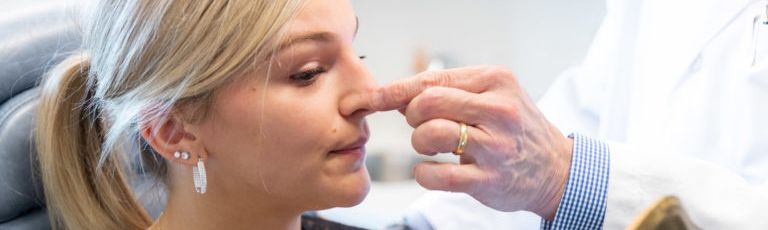
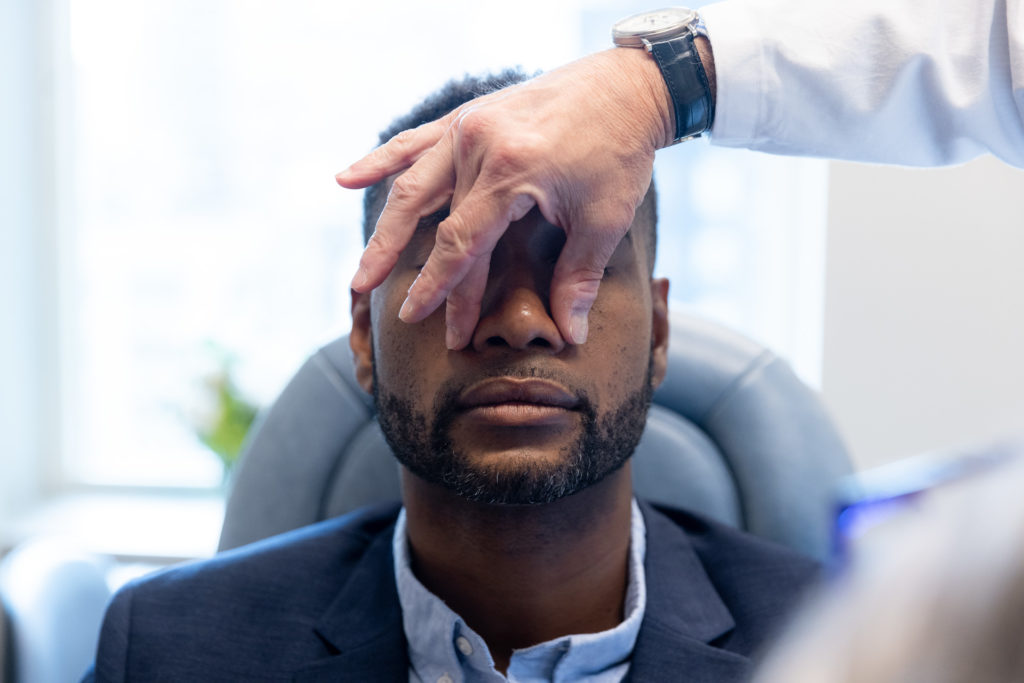
The consultation is one of the most important parts of the rhinoplasty process. During this appointment, Dr. Pearlman talks with you, taking time to understand your concerns, evaluate your nasal structure, and discuss the changes you hope to achieve.
In addition to reviewing your medical history, he will assess:
- Facial balance and proportions
- Skin thickness
- Cartilage strength
- Nasal symmetry
- Breathing function
- Tip definition and bridge projection
Your surgeon may use advanced technology, including 3D imaging and computer simulation, during the consultation process. These tools help patients visualize potential refinements while improving communication and surgical planning.

The African-American Rhinoplasty Procedure
Your African-American rhinoplasty in New York City will be performed at our accredited Manhattan surgical facility under general anesthesia. Before surgery, our team will review your treatment plan, revisit recovery instructions, and outline what to expect throughout the procedure.
Depending on the complexity of the surgery, rhinoplasty typically takes between 1 and 3 hours. Following surgery, our team monitors you in a recovery area while the anesthesia wears off. Once cleared for discharge, you receive detailed post-operative instructions.
We use general anesthesia during the procedure. Because of this, patients need someone available to drive them home after surgery.
African-American Rhinoplasty Recovery Timeline: Week by Week
African-American rhinoplasty in New York City does not end once the surgery is complete. The recovery period after a rhinoplasty has significant effects on your comfort and final results, while it allows your body to heal and adjust to the changes made during the procedure.
Depending on the complexity of the surgery, the recovery process can span several months.
Recovery at a Glance
| Recovery Stage | What to Expect |
| Days 1 to 7 | Swelling, bruising, congestion |
| Week 2 | Visible improvement begins |
| Weeks 3 to 4 | Most bruising resolves |
| Months 2 to 3 | Continued refinement |
| Months 4 to 24 or more | Final results emerge |
The First Week After Surgery
The first week after surgery is often the most challenging phase, as your body heals from the procedure. During this window, patients should focus primarily on rest and swelling management.
During this time, swelling and bruising look the most noticeable. Taking it easy during this period sets the stage for a smoother recovery.
Some tips for recovery include:
- Keeping the head elevated
- Avoiding strenuous activity
- Staying hydrated
- Using medications as directed
- Avoiding pressure on the nose
- Attending all follow-up appointments
Days 1 to 2: Initial Healing
Immediately after surgery, patients typically wake up wearing a nasal splint designed to support and protect the nose during early healing. Many people experience mild grogginess from anesthesia during the first several hours.
During these first couple of days, you may notice:
- Swelling around the nose and eyes
- Bruising, particularly under the eyes
- Nasal congestion
- A tight or tender feeling in your face
- Slight bleeding and a runny nose
Our team at Pearlman Aesthetic Surgery will provide personalized post-operative care instructions and tips to minimize the risk of complications at this time. Get plenty of rest and keep your head elevated at all times.
Days 3 to 7: Swelling Peaks Before Improving
Midway through your first week post-operation, swelling and bruising may intensify slightly, particularly around your nose and under your eyes. While this may look alarming, it is completely normal as your body adjusts to the surgical changes.
Toward the end of the week, patients typically return for a follow-up appointment with Dr. Pearlman. During this visit, he may remove the nasal splint, and he will carefully evaluate the healing progress.
Week 2: Visible Improvement and Resuming Light Activities
By the second week after African-American rhinoplasty in New York City, most patients notice a significant improvement in bruising and swelling. Others feel well enough to resume light daily activities, depending on their comfort level.
During this stage, the tissues, blood vessels, and cartilage start to settle into their final placement.
As healing continues, patients may notice:
- Reduced bruising around the eyes and nose
- Improved nasal contour
- Decreased tightness and tenderness
- Easier breathing
- Continued internal healing beneath the surface
While you may notice improvements during this time, it is important to continue protecting the nose. To aid the healing process, take any pain medication as advised.
Avoid strenuous activities, heavy lifting, or anything that might risk an accidental impact.
Weeks 3 to 4: Continued Refinement
Over the next several weeks, swelling continues to improve, particularly along the bridge of the nose. As inflammation subsides, the overall definition of the nose will become more noticeable. Most bruising has resolved, and many patients feel content returning to work and social situations.
While the nose already begins looking more balanced, healing goes on beneath the surface. Rhinoplasty results evolve throughout healing, and subtle refinement may continue for up to a year.
Months 2 to 3: Transitioning Toward a Natural Appearance
During months 2 and 3, patients often see significant progress in both swelling reduction and overall refinement. While the nasal tip may still feel slightly swollen, this is normal, as it takes longer for swelling in this area to resolve.
During this phase, you might notice some key changes:
- Most visible swelling has resolved
- The bridge appears more defined
- Breathing often feels more comfortable
- Scar tissue continues to soften
- Surgical signs continue fading
For many patients, this phase marks the point where the nose begins to blend more naturally with the surrounding facial features.
Months 4 to 12: Further Refinement
As healing progresses through the following months, the nose continues to settle into its final shape.
Here’s what to expect as the year progresses during recovery:
- 4 to 6 months: Around this time, patients see approximately 80% to 90% of the swelling resolved. The shape of your nose will resemble the final result, though minor refinements will continue.
- 6–12 months: During this phase, the skin and underlying tissues fully adapt to the new nasal framework. Any residual swelling or numbness inside the nose should fade.
By the one-year mark, the final results of the rhinoplasty start to become visible. The nose should look natural, balanced, and harmonious with the rest of the face, while still preserving the features that make each patient unique.
For patients with thick skin, such as African American rhinoplasty, further refinement can take place for a few years.
Whether your goal was aesthetic improvement, better breathing, or both, the results make the time and care invested all worthwhile.
Take the Next Step Toward Refinement Without Compromising
African-American rhinoplasty requires a thoughtful balance between aesthetic refinement, structural support, and preservation of the features that make each patient unique.
Because nasal anatomy, skin thickness, cartilage strength, and facial proportions vary significantly from patient to patient, successful outcomes depend on a highly individualized surgical strategy.
At Pearlman Aesthetic Surgery, Dr. Pearlman combines specialized rhinoplasty expertise with a meticulous, patient-centered approach. He specializes in ethnic rhinoplasty care, helping patients create refined outcomes that appear natural and structurally sound.
If you are considering our African-American rhinoplasty in New York City, schedule a private consultation to learn more about your options and let us tailor an individualized treatment plan.